

 InfoSearched
Thousands of Americans flying home from Europe walked straight into an airport bottleneck no one had planned for.
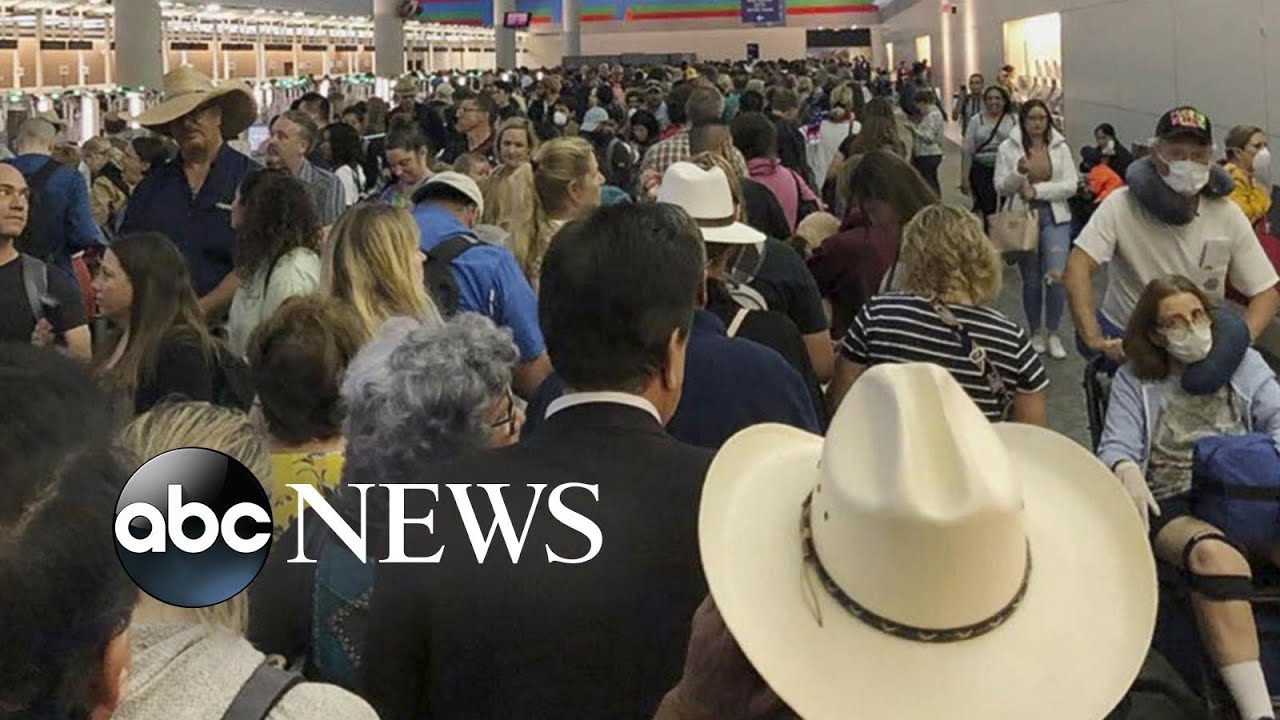
Two days after President Trump’s European travel restrictions took effect, U.S. international airports buckled under the weight of returning citizens and permanent residents funneled into a hastily built coronavirus screening system. Over the weekend of March 14–15, travelers at Chicago O’Hare, Dallas/Fort Worth, and New York’s JFK described waiting four to seven hours in packed, shoulder-to-shoulder lines with no hand sanitizer, no masks, and no room to keep their distance. The very screening meant to slow the virus’s spread became, by most accounts, a textbook way to spread it.
- Federal rules funneled every returning traveler from 26 European nations through just 13 designated U.S. airports for customs processing, quarantine instructions, and temperature checks.
- Wait times stretched four to seven hours at major hubs including O’Hare, DFW, and JFK, with travelers packed into crowded holding areas lacking hand sanitizer or masks.
- Illinois Governor J.B. Pritzker publicly demanded the federal government “get its s@#t together,” prompting Acting DHS Secretary Chad Wolf to call the delays “unacceptable” and announce a surge of screening personnel.
A Screening System Built for a Fraction of the Crowd
The restrictions, which took effect March 13, required every returning American and green-card holder arriving from the 26 Schengen-area countries to be processed at one of only 13 U.S. airports capable of running the enhanced health checks. That design choice — concentrating an entire continent’s worth of returning travelers into a baker’s dozen of entry points — meant customs halls built for routine passport control were suddenly handling quarantine briefings, symptom questionnaires, and temperature screenings for thousands of people at once.
The result was predictable to anyone who has stood in a customs line during a holiday rush, except multiplied. Video and photos from the weekend showed travelers standing for hours in switchback lines with no space between them, some describing conditions closer to a packed subway platform than an airport terminal. It’s the same enhanced-screening logic that would later reappear, in a very different form, when the U.S. eventually reopened travel for vaccinated Europeans more than a year later — but in March 2020, there was no vaccine, no testing infrastructure, and no time to build one.
Officials Trade Blame as the Lines Grow
Governor Pritzker’s blunt public rebuke of the federal rollout became the moment’s defining soundbite, capturing the frustration of local officials watching thousands of their residents stranded in crowded terminals with no clear plan. Acting Homeland Security Secretary Chad Wolf didn’t dispute it, calling the delays “unacceptable” and pledging that DHS was surging additional Customs and Border Protection staff to the hardest-hit airports to break up the backlog.
Get its s@#t together.
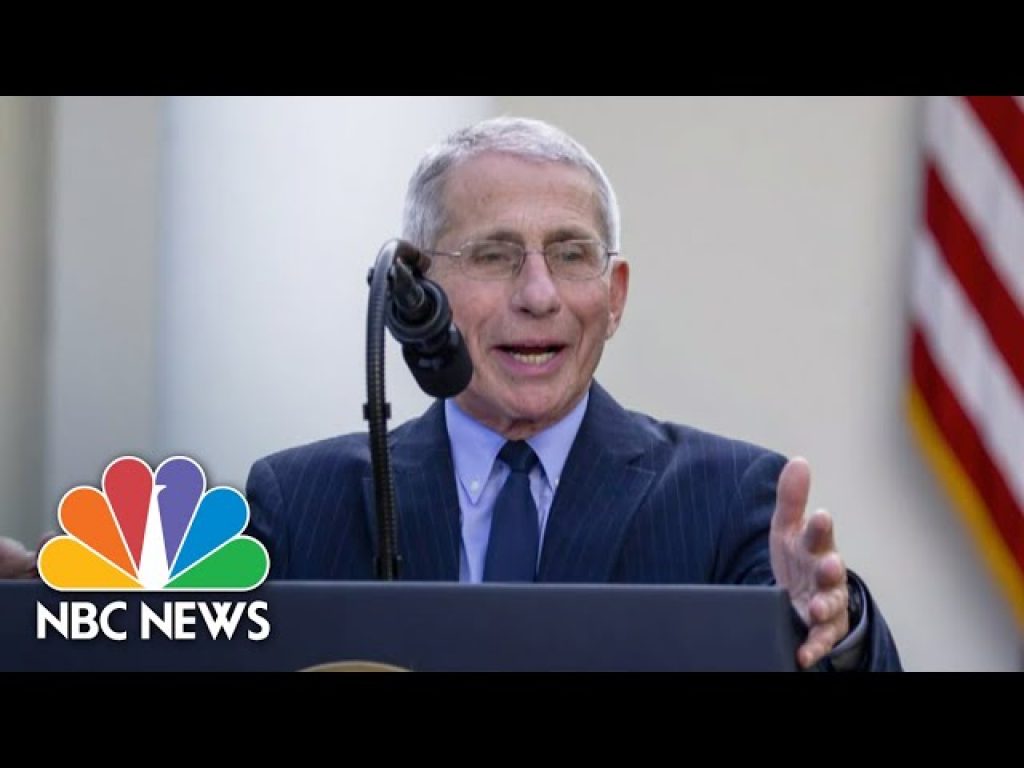
Dr. Anthony Fauci, already the administration’s most visible public-health voice, added his own criticism of the scenes playing out at O’Hare and JFK, saying the crowded, poorly spaced holding areas were “not helpful” to the broader containment effort — even as he urged returning travelers to stay patient while the backlog cleared.
Trump’s Response: ‘Just Relax’
President Trump defended the screening rollout on Twitter and in briefings, telling frustrated travelers to “just relax” while customs and medical personnel worked through what he described as “very precise” health checks. The message stood in contrast to the images coming out of the airports themselves, where exhausted families waited hours in tightly packed lines with none of the spacing public-health officials were simultaneously urging Americans to practice everywhere else.
The episode arrived just as states were beginning to weigh their own emergency measures, a pattern that would only intensify in the weeks that followed as officials nationwide moved toward stricter coronavirus restrictions to try to get ahead of community spread.
DHS Promises More Staff, Not Fewer Screenings
Wolf’s fix wasn’t to loosen the enhanced screening requirements — it was to throw more manpower at them. DHS’s plan called for additional CBP officers and health personnel at the 13 designated airports to process arriving travelers faster without cutting corners on the temperature checks and quarantine paperwork the White House had just mandated days earlier. Whether that surge would be enough to prevent another weekend of four-to-seven-hour lines was, as of that Sunday night, still an open question for the agencies running the checkpoints.
The bigger test comes with the next wave of returning travelers, since the restrictions weren’t going anywhere and neither were the crowds funneling into the same 13 airports. DHS’s promised staffing surge either thins out those lines by the following weekend or it doesn’t — and if it doesn’t, Pritzker and every governor watching his own airport won’t be shy about saying so again.
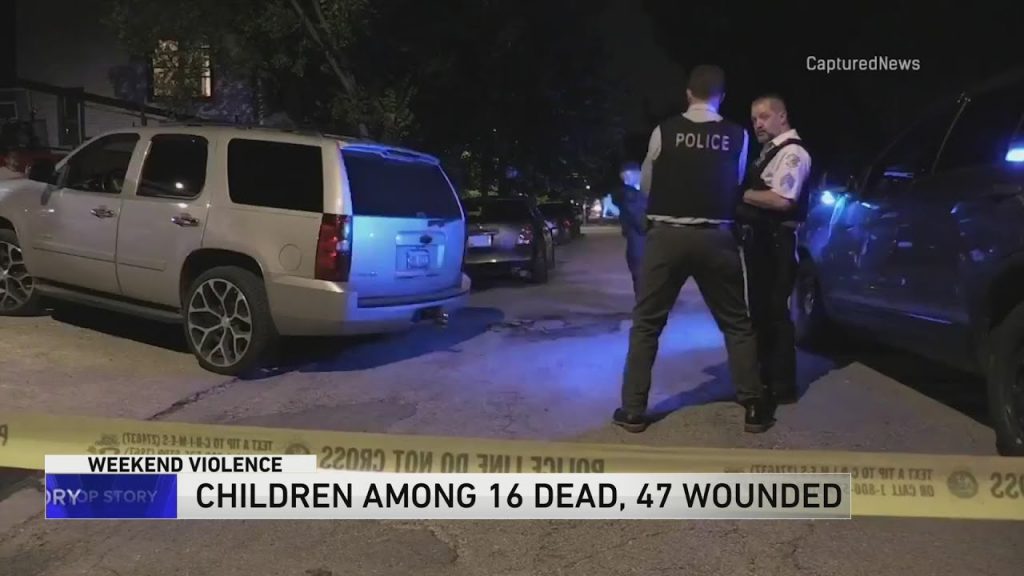
Children among 16 dead, 47 wounded in Chicago weekend shootings
Trump names Robert O’Brien as new national security adviser
Canada’s Deadliest Mass Shooting in Nova Scotia
52 percent of voters approve of Trump’s economy: poll
The Race To Develop A Coronavirus Vaccine