

 InfoSearched
A Texas rancher says the beef supply chain is about to break in half.
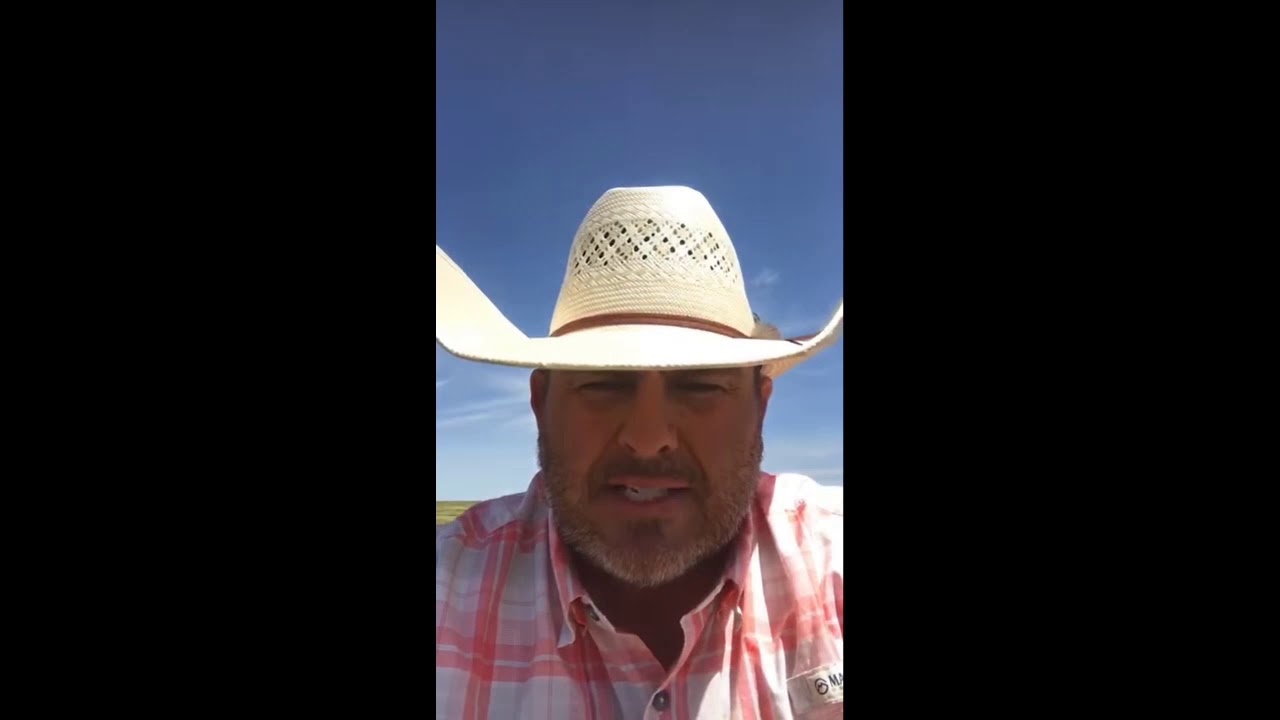
By the last week of April 2020, the video “Starvation Is Coming – Rancher Explains” was circulating fast among homesteaders and preppers, and for good reason. The rancher featured in the clip, posted by the channel An American Homestead, lays out a mechanical, numbers-driven case for why grocery store beef shelves are about to look very different — and why the ranchers who raise the cattle are getting crushed at the exact moment beef prices are spiking at the register.
- USDA data for the week of April 27, 2020 showed national beef production down nearly 25% year-over-year as COVID-19 outbreaks forced meatpacking plants to close or slow their lines.
- Four meatpacking conglomerates control more than 80% of U.S. cattle processing capacity, meaning a handful of plant closures can choke the entire supply chain.
- Live cattle prices collapsed more than 20% even as wholesale beef prices surged — a disconnect the rancher says will force herd liquidation and take up to two years to fix given cattle reproductive cycles.
The Bottleneck at the Packing Plant
The rancher’s argument starts with a structural fact most consumers never think about: cattle can’t get from pasture to plate without a narrow set of chokepoints. With just four companies controlling over 80% of slaughter and processing capacity nationwide, any disruption at even a few of their facilities ripples across the entire country. That’s exactly what happened as COVID-19 tore through packing-plant workforces in April 2020, forcing shutdowns and slowdowns that USDA figures pegged at a nearly 25% year-over-year drop in beef production by the week of April 27.
Fewer open slaughterhouses means fewer cattle getting bought and processed, full stop. Ranchers with steers finished and ready for market suddenly had nowhere to sell them, regardless of how many buyers wanted beef at the grocery store.
Cattle Piling Up, Prices Collapsing
That bottleneck created what the rancher describes as a brutal paradox. Live cattle prices dropped more than 20% because finished steers were stacking up on feedlots and ranches with no open packing capacity to absorb them — an artificial oversupply that has nothing to do with actual demand for beef. Ranchers are stuck feeding animals that should already be sold, burning cash on feed bills with no revenue coming in.
Live cattle prices are crashing while beef prices at the store are climbing — that’s the cycle nobody in Washington seems to be talking about.
Meanwhile, on the retail side, the opposite is happening. Wholesale beef prices have surged as processing shortages collide with panic buying at grocery stores, a dynamic playing out alongside the broader run on staples that has pushed grocery prices on the rise across the country. Ranchers are getting paid less for their cattle at the exact moment shoppers are paying more for the beef that comes from those same animals.
Herds Face Slow Recovery Cycles
The rancher’s most urgent warning is about timing. Unlike a factory that can ramp production back up once demand returns, cattle herds don’t restock overnight. Bovine reproductive cycles mean it takes up to two years to rebuild a herd once ranchers start liquidating cattle to cover losses. If falling live prices force enough producers to sell down herds or exit the business entirely, the shortage doesn’t correct itself in a few weeks — it locks in low domestic production for one to two years minimum.
That’s the scenario the rancher says consumers need to brace for: not a temporary shortage that clears up once plants reopen, but a slow-motion supply crunch layered on top of a country already dealing with disrupted supply chains, as states were imposing stricter coronavirus restrictions to fight the spread inside those very packing plants.
Impacts on Grocery Store Shelves
Put the two halves of the cycle together and the rancher’s case is straightforward: production stays down because ranchers are being paid less to raise cattle nobody can slaughter, and prices stay up because there’s less beef actually making it to store shelves. He warns that retail beef could become genuinely unaffordable for a lot of families if the packing-plant shutdowns drag on and herds keep shrinking in response.
The rancher isn’t asking for a bailout speech — he’s asking people to understand why the beef case at their local grocery store might look thinner, and cost more, for a lot longer than anyone expects. Whether the big four processors can get enough plants back to full speed in the coming weeks is the number to watch; every week they stay slowed down is another week added to that two-year herd-rebuilding clock he keeps coming back to.



12-Year-Old Boy and 14-Year-Old Girl Have Shootout With Cops
Barack Obama offers stark warning to Democrats during joint fundraiser with Joe Biden
U.S. Soccer says women’s team was paid more than men
Fauci funded ‘bat-human interface’ research in China to avoid an outbreak in the US
Bernie Sanders Says Path to Democratic Nomination Is Just Not There