

 InfoSearched
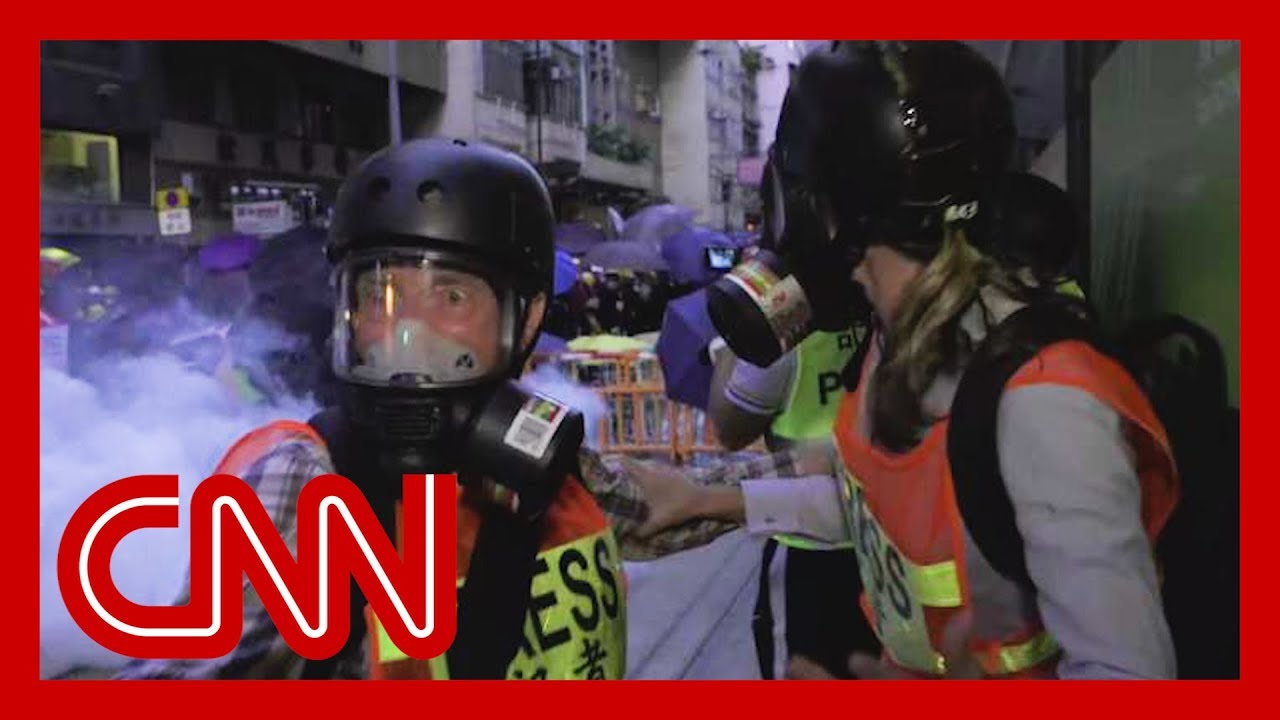
A CNN crew got caught in the crossfire of Hong Kong’s tear gas weekend.
Anna Coren doesn’t rattle easily after years reporting from conflict zones across Asia, but the CNN correspondent and her crew found themselves enveloped in tear gas over the weekend of July 27-28 while covering the latest round of street clashes in Hong Kong. Riot police fired multiple rounds of gas and other non-lethal munitions at demonstrators occupying roads near the protest lines, and the plumes drifted straight into the press pack, Coren’s team included.
- CNN’s Anna Coren and her news crew were hit directly by tear gas while reporting live on clashes between riot police and pro-democracy protesters in Hong Kong.
- The confrontation stemmed from weeks of unrest triggered by a now-suspended extradition bill that would have allowed suspects to be sent from Hong Kong to mainland China.
- Police deployed multiple rounds of tear gas and crowd-control munitions to clear demonstrators occupying city streets, with journalists caught in the dispersal.
A Bill That Wouldn’t Go Away
The extradition bill that sparked the movement had already been suspended by Hong Kong’s government by late June, but suspension never meant the streets went quiet. Protesters kept turning out weekend after weekend through July, demanding the bill’s full withdrawal and, increasingly, broader accountability from police and the territory’s leadership. What started as opposition to one piece of legislation had hardened into a standing confrontation between demonstrators and riot police that repeated itself block by block across Hong Kong.
By the July 27-28 weekend, the pattern was familiar: crowds occupying roads, police lines forming to push them back, and gas canisters arcing into the crowd to clear the way. CNN’s crew was positioned to cover exactly that moment when the gas reached them.
Caught Without Cover
Video of the incident shows the unmistakable haze rolling toward Coren and her team as officers worked to disperse the crowd. Tear gas doesn’t discriminate between a protester holding an umbrella and a reporter holding a microphone, and that’s precisely the problem crews on the ground kept running into that weekend — press identification offers no immunity once canisters start landing.
Plumes of tear gas enveloped the CNN reporting team on location as police worked to clear demonstrators occupying the streets.
It’s the kind of moment that doesn’t need much narration once the footage runs — a live shot interrupted by exactly the chaos it was meant to describe. For international outlets like CNN, whose newsroom had staffed Hong Kong coverage heavily through the summer, getting a correspondent gassed on camera underlined just how close crews had to work to the police lines to get the story at all.
Washington Was Already Watching
The scenes from that weekend landed against a backdrop of growing U.S. attention on Hong Kong’s status. The unrest had already drawn scrutiny in Washington over whether the territory’s autonomy from Beijing was eroding in practice, a question that would soon shape moves like the eventual push to end preferential treatment for Hong Kong. None of that policy debate changes what happened on the ground that weekend: a press crew doing a live shot got swallowed by gas meant for the crowd behind them.
Coren and her crew kept working. The protests didn’t pause for the following weekend either, and neither did the tear gas.


New, more contagious coronavirus strain discovered by researchers
Iran launches missiles into US military base in Iraq
4 kids recovering from injuries after a car slammed into day care in Philadelphia
Head Of Laboratory In China Denies Coronavirus Originated There
Attorney speaks out after FBI arrests longtime Jeffrey Epstein associate