

 InfoSearched
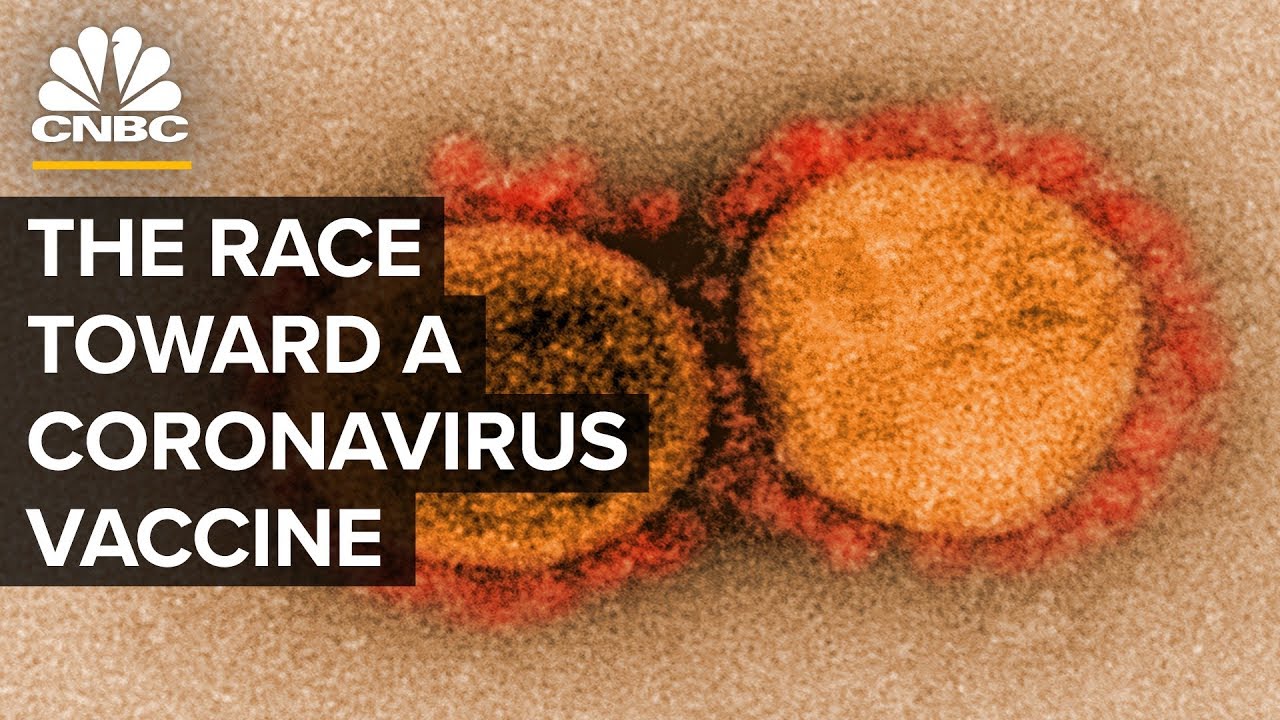
Twelve to eighteen months — that’s the timeline scientists are racing to hit on a vaccine that normally takes a decade.
As the World Health Organization’s pandemic declaration rattled financial markets and snapped global supply chains, drugmakers and researchers turned their attention to the only long-term fix: a vaccine against SARS-CoV-2. The compressed timetable being discussed — a fraction of the usual vaccine development cycle — reflects both the scale of the crisis and a scientific gamble on largely unproven technology.
- Moderna, working with the National Institutes of Health, designed a candidate called mRNA-1273 and shipped its first clinical batch within weeks of China releasing the virus’s genetic sequence.
- BioNTech announced on March 13, 2020, that it had partnered with Pfizer on “Project Lightspeed” to co-develop and scale up an mRNA-based vaccine.
- Johnson & Johnson and AstraZeneca (with the University of Oxford) pursued viral-vector platforms as alternative approaches, running parallel to the mRNA efforts.
The mRNA Gamble
No mRNA vaccine had ever been licensed for human use before this outbreak, which made the speed of Moderna’s turnaround all the more striking. The Cambridge, Massachusetts biotech leaned on its NIH partnership to move from sequence to shipped clinical batch in a matter of weeks — a process that historically eats up months just in preclinical work. The approach skips growing a weakened or inactivated virus altogether, instead delivering genetic instructions that prompt the body’s own cells to produce a viral protein and trigger an immune response.
BioNTech’s March 13 announcement of its tie-up with Pfizer put a second major mRNA effort into motion almost simultaneously. Branding the program “Project Lightspeed” signaled the intent from day one: this wasn’t going to follow the traditional sequential model of preclinical trials, then Phase 1, then Phase 2, then Phase 3. Pfizer’s manufacturing muscle paired with BioNTech’s mRNA platform gave the partnership a path to scale that a smaller biotech couldn’t manage alone — a dynamic the U.S. government would later lean on directly, as detailed in U.S. pays Pfizer, BioNTech $2 bln for vaccines.
Vaccine development traditionally takes years, even over a decade — the goal now is 12 to 18 months.
Viral Vectors and the Rest of the Field
mRNA wasn’t the only bet on the table. Johnson & Johnson and AstraZeneca, in partnership with the University of Oxford, began exploring viral-vector platforms, which use a modified, harmless virus to carry genetic material into cells. Other researchers were separately assessing recombinant protein designs, a more established but slower-to-produce approach. The diversity of platforms in play reflected a deliberate hedge: with no vaccine technology proven at this scale against a novel coronavirus, spreading bets across mRNA, viral vectors, and protein-based candidates gave the field multiple shots at a working product.
The urgency driving all of this traced back to the NIH’s early involvement with Moderna and to broader questions about how outbreaks like this start in the first place — questions that had already put U.S.-funded coronavirus research under scrutiny, as covered in Fauci funded ‘bat-human interface’ research in China to avoid an outbreak in the US.
The Hurdles Still Ahead
Public health officials and industry scientists were blunt about the obstacles still standing between a promising candidate and a needle in someone’s arm. Multi-phase clinical safety trials still had to run their course, efficacy still had to be verified in real populations, and researchers had to rule out theoretical risks like vaccine-associated disease enhancement, where a vaccine could in rare cases make a subsequent infection worse rather than better.
Beyond the lab, there was the matter of actually getting a finished vaccine into hundreds of millions of arms — building mass-manufacturing capacity and cold-chain distribution networks capable of moving a temperature-sensitive product around the globe. None of that infrastructure existed yet for a product that didn’t exist yet either, which is why officials kept stressing that financial backing and regulatory urgency alone couldn’t shortcut the science.
Moderna’s shipped batch and BioNTech’s newly inked Pfizer deal were early signals of momentum, not finished products. Both programs still had to clear Phase 1 safety data before anyone could talk seriously about Phase 3 trials or an emergency authorization — the next real checkpoint the whole field was watching for.


GOP Senator Burr steps down amid ongoing investigation
Jersey City Shooting Leaves Officer Shot In Head
Arrests Made For School Shooting Threats In Oklahoma, California | NBC Nightly News
Pelosi Unveils $2.5 Trillion Virus Stimulus Plan
Breaking news: The famous film star Tom Hanks has the coronavirus