

 InfoSearched
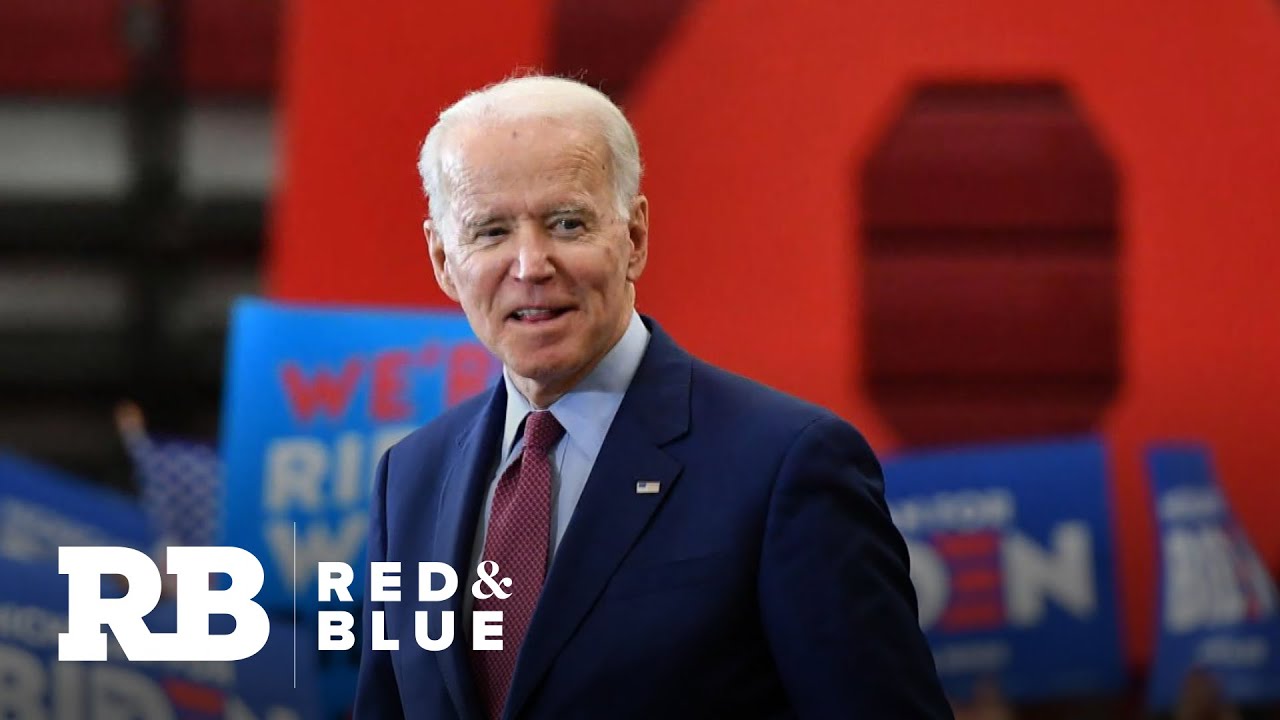
South Carolina’s Black electorate didn’t just save Joe Biden’s campaign — it rebuilt it from the ground up in a matter of days.
Rashad Robinson, president of the civil rights organization Color of Change, joined CBSN’s “Red and Blue” to explain the mechanics behind one of the fastest turnarounds in recent primary history. After finishing fourth in Iowa, fifth in New Hampshire, and a distant second in Nevada, Biden needed South Carolina to matter — and Black voters delivered, then repeated the performance across the Super Tuesday map days later.
- Black voters powered Biden to a decisive South Carolina win after weak finishes in Iowa, New Hampshire, and Nevada, a surge cemented by Representative Jim Clyburn’s endorsement.
- On Super Tuesday, March 3, exit polling and AP VoteCast data showed Black voters consolidating behind Biden over Senator Bernie Sanders in Virginia, North Carolina, Alabama, and Texas.
- Robinson told CBSN that electability — not just policy — was the dominant factor, with many Black voters treating Biden as the safest bet to beat President Trump.
The Clyburn Effect and the South Carolina Firewall
South Carolina was always supposed to be Biden’s proving ground, given the state’s Black electorate makes up roughly six in ten Democratic primary voters. What actually happened exceeded even his campaign’s internal expectations. Clyburn’s endorsement, delivered days before the vote, gave skeptical Black voters — many of whom had been waiting to see if Biden could still win — the signal they needed to consolidate. The result reshaped the entire race almost overnight, pushing rivals like Pete Buttigieg and Amy Klobuchar out of the field within 48 hours and clearing a lane for Biden heading into Super Tuesday.
Electability Over Ideology
Robinson’s core argument on “Red and Blue” was that Black voters weren’t necessarily picking Biden because his platform was the most progressive — Sanders and Elizabeth Warren both ran further left on criminal justice and economic policy. Instead, Robinson pointed to a pragmatic calculation: defeating Trump was the priority, and Biden, as the most vetted, nationally known figure in the field, looked like the safer vehicle for a broad coalition.
Many Black voters simply saw Biden as the candidate best positioned to build the coalition needed to beat Trump — not necessarily the one with the boldest platform.
That calculation showed up in the numbers. AP VoteCast data from Super Tuesday found Biden winning Black voters by wide margins in Virginia, North Carolina, Alabama, and Texas, states where high Black turnout in the Democratic primary translated directly into delegate hauls that reset the race against Sanders.
Decades of Familiarity Versus New Outreach
Robinson also framed the support as generational. Biden’s eight years as Barack Obama’s vice president, plus his decades in the Senate, gave him a reservoir of goodwill that newer or more progressive candidates simply hadn’t had time to build with older, high-turnout Black primary voters — the demographic most likely to actually show up on primary day. Progressive rivals rolled out detailed policy proposals aimed at racial and economic justice, but Robinson noted that policy papers alone rarely substitute for the kind of long-term relationship Biden had already banked through his tenure alongside Obama.
That dynamic explains why Biden’s support skewed older within the Black electorate even as younger Black voters showed more willingness to consider Sanders. It’s a split that mirrors the broader generational divide that shaped the entire primary, one Barack Obama himself later addressed directly when urging the party to stay focused on electability rather than ideological purity.
Biden Campaign Leverages Recent Momentum
The immediate test for Biden’s campaign was converting a week of momentum into a durable operation — fundraising, organizing, and a policy rollout capable of holding together the coalition Clyburn and South Carolina had assembled. The campaign’s subsequent push to formalize its agenda, later detailed in its own policy plan for the country, was in part an attempt to give that new coalition something concrete to organize around beyond electability alone.
Robinson’s larger point on CBSN was that this wasn’t a one-state phenomenon. Super Tuesday proved South Carolina’s result traveled — Alabama and North Carolina weren’t outliers, they were confirmation. The next test comes in states like Michigan and Mississippi, where Black turnout will again decide whether Biden’s delegate lead keeps growing or whether Sanders can cut into it before the calendar tightens.


How Coronavirus Attacks the Body
Park Won-soon: Guards, Journalists Gather in Seoul After Missing Mayor Found Dead
Coronavirus: Hate crimes against Chinese people in the UK on the rise
At the UN, Trump condemns moves to recognize Palestinian state
CNN reporter and crew hit by tear gas in Hong Kong