

 InfoSearched
Coronavirus cases have topped 100,000 worldwide, and governments are running out of moderate options.
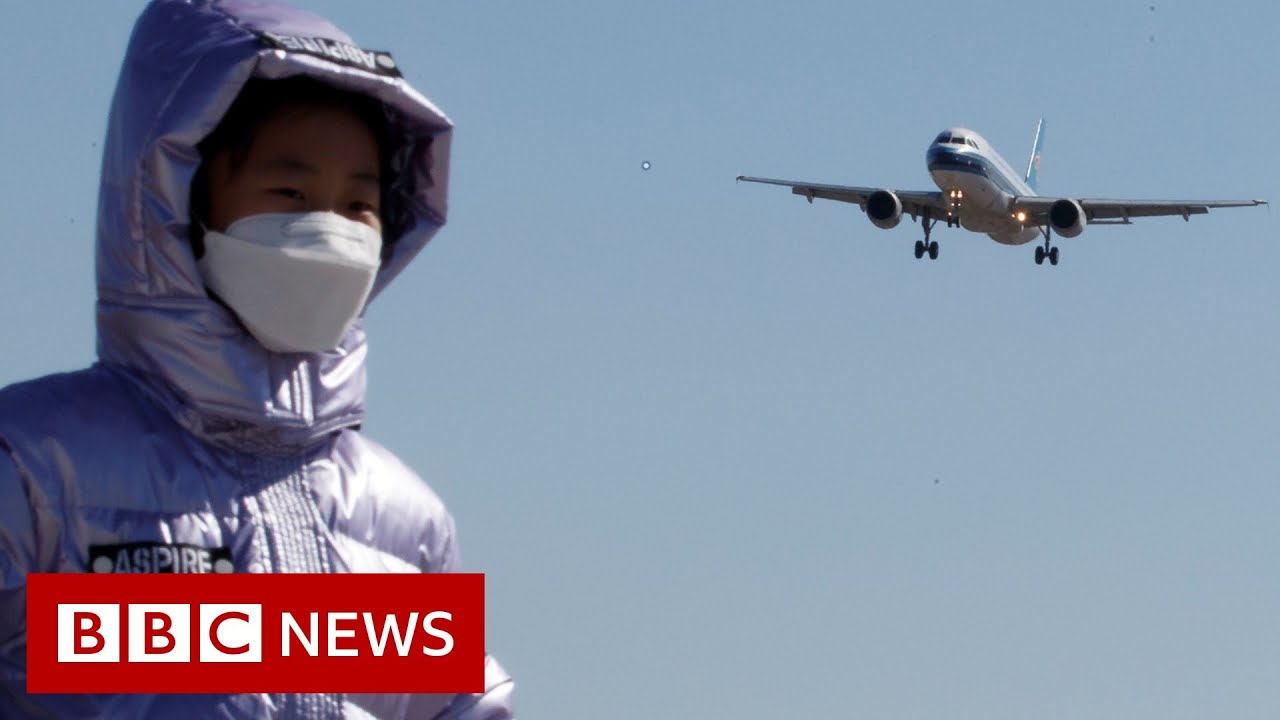
Six weeks ago, containment measures against COVID-19 were largely confined to China. By mid-March, they had spread to nearly every continent — school closures across Europe and Asia, travel bans, and outright prohibitions on large gatherings. BBC News’s explainer, hosted by Lucy Hockings, broke down what the virus actually does to the body, who is most at risk, and why the disruption to daily life is escalating so fast. With no end to the outbreak in sight, the report examined what all of this actually means for ordinary households.
- Global confirmed cases had crossed 100,000 across dozens of countries, with fever, a persistent cough, and shortness of breath identified as the core symptoms.
- Australia announced it would ban static gatherings of more than 500 people starting in mid-March.
- Nationwide school closures were spreading across Europe and Asia, alongside new international travel restrictions and bans on mass public events.
Mechanisms of Viral Transmission
Coronavirus is a respiratory illness that passes from person to person through droplets expelled from the nose or mouth of someone infected — a cough, a sneeze, even close conversation. The BBC’s coverage laid out the headline symptoms doctors were watching for: fever, a persistent cough, and shortness of breath. What remained genuinely uncertain, even as case counts climbed past 100,000 globally, was the exact incubation period and how much transmission was happening from people who showed no symptoms at all.
Fever, a persistent cough and shortness of breath — the three symptoms doctors kept coming back to as global case counts pushed past 100,000.
Governments Move to Shut Down Public Life
The response from national governments escalated in step with the case numbers. Schools closed nationwide across parts of Europe and Asia. Borders tightened. Mass gatherings — sporting events, festivals, conferences — began getting cancelled or capped outright. Australia’s government confirmed it would prohibit static gatherings of more than 500 people starting the following week, one of the clearest signals yet that authorities were willing to disrupt everyday public life to slow the contagion curve. The pattern echoed what would later play out in the United States, where states began imposing their own tightening restrictions as infections spread.
High Risk Population Demographics
Not everyone faces the same risk. The BBC’s reporting was explicit that the elderly and people with underlying health conditions carry a significantly higher mortality risk than younger, healthier patients — a distinction that shaped how governments prioritized their protective measures. Hospitals were already being pushed to prepare surge capacity, anticipating that a rise in serious cases could overwhelm normal bed and staffing levels if the outbreak kept accelerating at its current pace.
The Economic and Social Disruption
Beyond the health toll, the outbreak was already rippling through everyday economic life. Travel restrictions and quarantine measures were disrupting supply chains, leaving some companies short of raw materials. Tourism was taking a direct hit as governments advised against non-essential travel. And with school closures spreading and events shutting down, the broadcast fielded viewer questions on the practical basics — what precautions to take at home, at work, and while traveling — reflecting just how quickly the crisis had moved from an abstract headline to something people were reorganizing their daily routines around, a shift that would soon show up in decisions about when and how schools could safely reopen.
Australia’s ban on gatherings over 500 people was set to take effect the following week — a concrete deadline that gave organizers of sporting events, conferences, and public functions across the country a hard date to plan around, and a preview of the kind of blanket restriction other governments were weighing as their own case counts climbed toward that same 100,000 global threshold.







Jeff Zucker resigns from CNN in stunning announcement
EXCLUSIVE: Giuliani reacts to impeachment inquiry after series of hearings
February 3, 2022: NATO, Russia troops, Erdogan, Ukraine, Biden in NYC, Winter Olympics, Mississippi
Up to 150 migrants die in shipwreck off the coast of Libya
Quarantined for coronavirus on the Diamond Princess: Part 2