

 InfoSearched
Trump says he was never told about Russian bounties on U.S. troops — and Washington isn’t buying it.
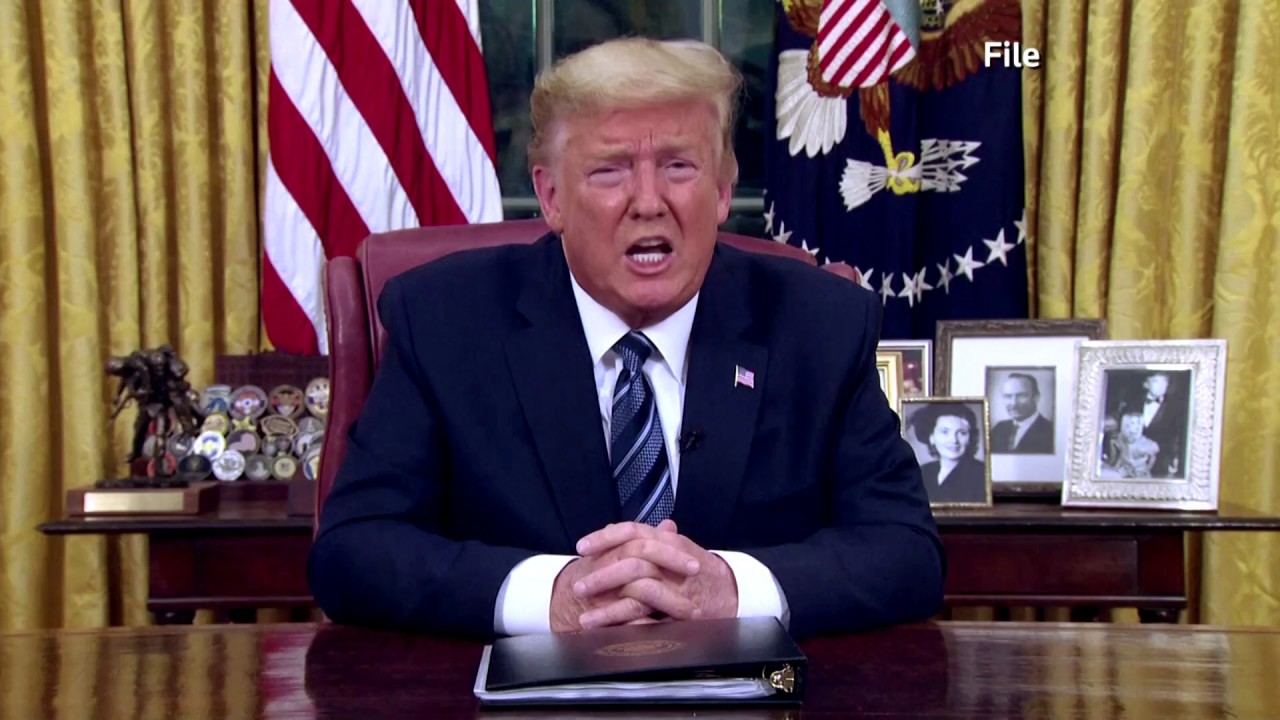
President Trump spent Sunday knocking down a bombshell report that Russian military intelligence offered payments to Taliban-linked fighters for killing American and coalition troops in Afghanistan. The story, first reported by The New York Times and matched by The Associated Press and The Washington Post, landed with enough force that Trump fired off a string of tweets denying he’d ever been briefed on it. By Monday, the White House had scheduled classified briefings for select members of Congress, and lawmakers in both parties were demanding to know who in the intelligence community sat on the information.
- U.S. intelligence officials reportedly concluded months ago that GRU operatives offered bounties tied to American casualties, with evidence including roughly $500,000 recovered during an early-2020 SEAL Team Six raid on a Taliban outpost.
- Trump tweeted that intelligence officials told him they didn’t find the information credible enough to brief him or Vice President Pence, insisting “nobody’s been tougher” on Russia than his administration.
- Nancy Pelosi called the allegations “as bad as it gets,” Liz Cheney demanded to know “who did know and when,” and Joe Biden labeled the reports a “truly shocking revelation.”
The Denial and the Walk-Back
Trump’s first response came fast and defiant: he said neither he nor Pence had ever been briefed on the alleged bounty scheme, calling it a possible “fabricated Russia Hoax” pushed by the “Fake News @nytimesbooks.” Later that same Sunday night, though, his account shifted. He tweeted that intelligence officials had told him directly they withheld the information because they “did not find this info credible” — a different claim than simply saying no briefing occurred, and one that suggested the intelligence had at least reached some level of internal review before being deemed unworthy of the President’s desk.
White House press secretary Kayleigh McEnany backed that version at the podium, telling reporters Trump wasn’t briefed because there was no consensus within the intelligence community and the underlying reporting hadn’t been verified. It’s the kind of forceful, no-retreat messaging McEnany has made her trademark since taking over the briefing room, and it set the administration’s official line heading into Monday’s scheduled briefings for congressional leaders.
The Evidence Behind the Story
The reporting that triggered the firestorm centers on a specific piece of physical evidence: close to $500,000 in cash that U.S. Navy SEAL Team Six recovered during a raid on a Taliban outpost earlier this year. According to the Times, AP, and Washington Post accounts, that money and other intelligence led U.S. officials to conclude that a Russian military intelligence unit — the GRU — had been offering bounties for the deaths of American and coalition troops in Afghanistan. Both the Russian Foreign Ministry and the Taliban flatly denied the reports, calling them fabrications, but the timeline itself became the central controversy: officials reportedly reached their conclusion months before Sunday’s public denial, raising the question of why the president says he never heard about it.
“He had no business running for commander-in-chief if he wasn’t willing to defend our troops in the field.”
Bipartisan Anger on Capitol Hill
The reaction split along predictable lines on tone but not on urgency. House Speaker Nancy Pelosi called the allegations “as bad as it gets” and pressed for full congressional briefings immediately. Wyoming Republican Liz Cheney, no ally of leadership Democrats on most issues, pushed just as hard from the other side of the aisle, demanding specifics on “who did know and when” and what steps, if any, were taken to hold Vladimir Putin accountable. Illinois Senator Tammy Duckworth, an Army veteran, went further, calling Trump’s tweets “disgusting” and asking what it would take for him to confront Moscow over attacks on American soldiers.
Presumptive Democratic nominee Joe Biden called the reports a “truly shocking revelation,” arguing they showed a president failing to protect the troops he commands. Former National Security Adviser John Bolton, who split bitterly with Trump last year, offered his own theory: that Trump denied being briefed because admitting he knew and did nothing for months would look like negligence on Russia. Whether that’s fair or not, it’s the argument Trump’s critics are now running with, and it lines up with the broader pattern this White House has faced whenever Russia-related stories hit the news cycle during an election year.
Upcoming Congressional Legislative Priorities
The White House confirmed that classified briefings for select members of Congress were set for Monday, June 29 — a session both parties will treat as the real test of what the intelligence community actually knew and when. Pelosi has already signaled she wants the full House and Senate looped in, not just committee leadership, while Cheney’s public demand for accountability puts pressure on the administration from a flank it usually doesn’t have to defend against. With Biden’s campaign now hammering the story as a character issue heading toward November, expect Monday’s briefing to determine whether this stays a one-week controversy or turns into a subpoena fight.

Doctor With COVID-19 Describes Symptoms As ‘Pain Everywhere’
President Trump addressed the nation after Iran strikes at U.S. troops in Iraq
U.S. officials recover $2.3 million in crypto used to pay ransom in Colonial Pipeline hack
The ‘unknown’ Covid deaths in rural India
National Guard delivers coronavirus test kits to cruise ship