

 InfoSearched
A four-part Hulu documentary reopens one of Bill Clinton’s oldest wounds, and this time it’s not Monica Lewinsky doing the talking.
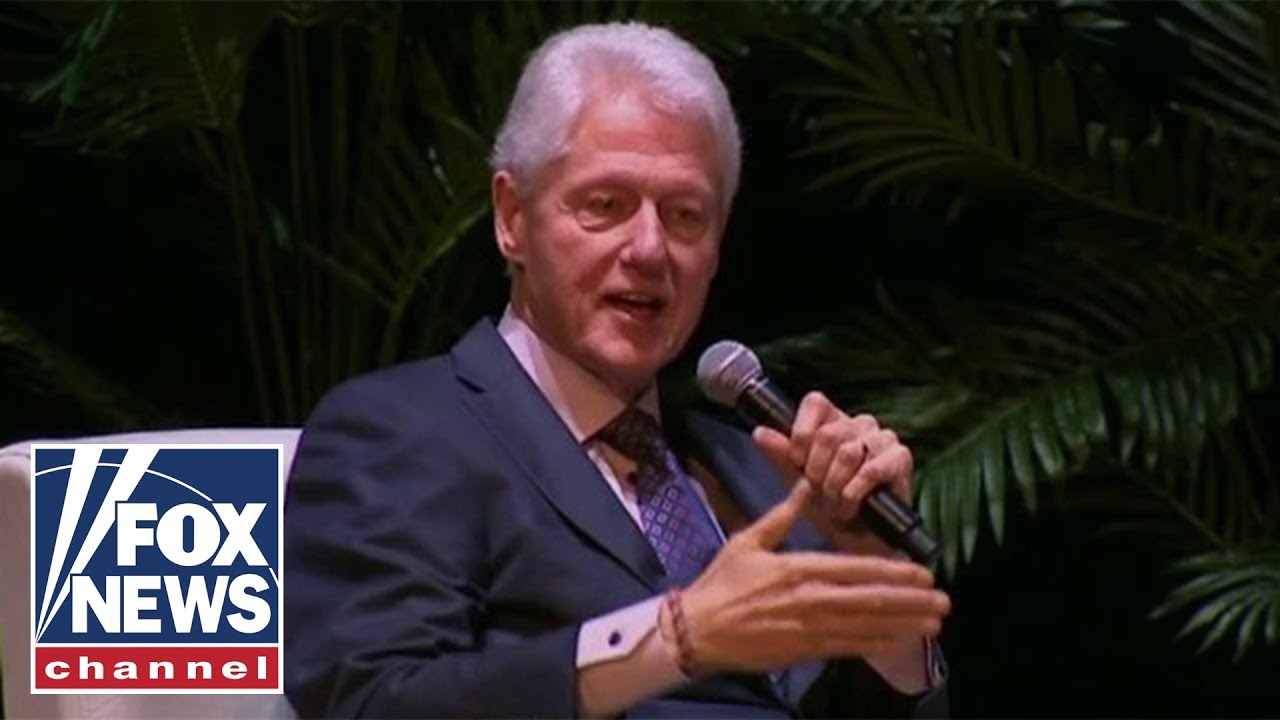
Nanette Burstein’s “Hillary,” which premiered on Hulu on March 6, 2020, includes an extended sit-down with Bill Clinton in which he revisits his 1998 affair with then-22-year-old White House intern Monica Lewinsky. He frames it as a way of “managing my anxieties” under the crushing weight of the presidency. Hours after the episode dropped, Fox News put a camera in front of Juanita Broaddrick — the Arkansas woman who has accused Clinton since 1999 of raping her in a hotel room in 1978 — and asked her to respond. She didn’t hold back.
- Bill Clinton told Hulu’s “Hillary” documentary he pursued the affair with Monica Lewinsky as a way of “managing my anxieties” during his presidency.
- Clinton also said he feels “terrible” that Lewinsky’s life was “defined by it, unfairly I think,” adding he’s watched her “try to get a normal life again.”
- Juanita Broaddrick, who has accused Clinton of raping her in Arkansas in 1978, told Fox News on March 6, 2020 that the anxiety framing was a dismissive, self-serving excuse and evidence he still won’t take accountability.
Clinton Statement Clarification
The “Hillary” series spends four episodes tracing Hillary Clinton’s career, but the segment drawing all the attention is the one where Bill Clinton sits for an interview about Lewinsky. Rather than treating the affair as a straightforward abuse of power by a president over a 22-year-old subordinate, Clinton described it in psychological terms — a coping mechanism, “managing my anxieties,” born out of the stress of the Oval Office. He didn’t deny what happened; he explained it as something closer to a stress response than a decision.
He then pivoted to sympathy for Lewinsky specifically, telling Burstein, “I feel terrible about the fact that Monica Lewinsky’s life was defined by it, unfairly I think,” and adding that he’s watched her “try to get a normal life again, but you’ve got to decide how to define ‘normal.'” It’s the kind of answer that sounds like contrition on the surface but never actually says the word “sorry” for his own conduct — a distinction that didn’t escape his critics, including Lewinsky herself, who tweeted afterward that “blaming the intern is so 1990s.”
Broaddrick’s Response
Fox News aired Broaddrick’s reaction the same day the documentary hit Hulu, and she went straight at the “anxiety” language. To her, describing a sexual relationship with a young subordinate inside the White House as anxiety management wasn’t self-awareness — it was a rebrand. She’s spent two decades pressing the same point about her own allegation from 1978, that Clinton has never faced a genuine reckoning, and she argued the documentary proved nothing had changed: he was still explaining away his behavior instead of owning it.
Broaddrick dismissed the “anxiety” explanation outright, calling it a self-serving excuse that showed Clinton still refuses to take real accountability for his conduct.
Broaddrick’s accusation predates the Lewinsky scandal by two decades and was never prosecuted, but it has resurfaced repeatedly whenever Clinton’s past conduct toward women becomes newsworthy again — including amid the broader scrutiny of powerful men tied to sexual misconduct allegations that intensified after cases like the unsealing of Jeffrey Epstein-related court documents. For Broaddrick, the Hulu clip was simply the latest data point in a pattern she says she’s been describing since before most viewers were born.
Lewinsky’s Own Reckoning
Lewinsky wasn’t a passive subject of this news cycle either. She has spent recent years positioning herself as an anti-bullying advocate and a vocal critic of how the press covered her in 1998, when she was routinely reduced to a punchline rather than treated as the 22-year-old at the center of a power imbalance with the sitting president. Her tweeted response to Clinton’s documentary comments — “blaming the intern is so 1990s. #TimesUp” — was read by many as confirmation that, whatever Clinton meant by “anxieties,” she didn’t hear an apology in it.
That the two reactions arrived almost simultaneously — Lewinsky publicly unconvinced, Broaddrick openly hostile — turned a single documentary soundbite into a fresh test of whether Clinton’s past conduct still carries consequences three decades later, a question that has trailed him through everything from the Epstein island allegations detailed in separate court filings tied to Epstein’s estate to Broaddrick’s own long-running push for a formal reckoning.
Clinton never sat for a follow-up interview to clarify the “anxieties” line after the backlash broke on March 6 — the documentary aired, the clip circulated, and the reactions from Lewinsky and Broaddrick did the talking he apparently wouldn’t. Whether “Hillary” addresses it further in its remaining episodes is the only open question left on the table.

Hospitals in the South overwhelmed by spike of coronavirus cases
CDC Pulls Down Guidance On Airborne Covid Spread
New York senator speaks on the state’s high number of coronavirus cases
The future of the American mall
Boris Johnson admitted to U.K. hospital with ‘persistent’ COVID-19 symptoms