

 InfoSearched
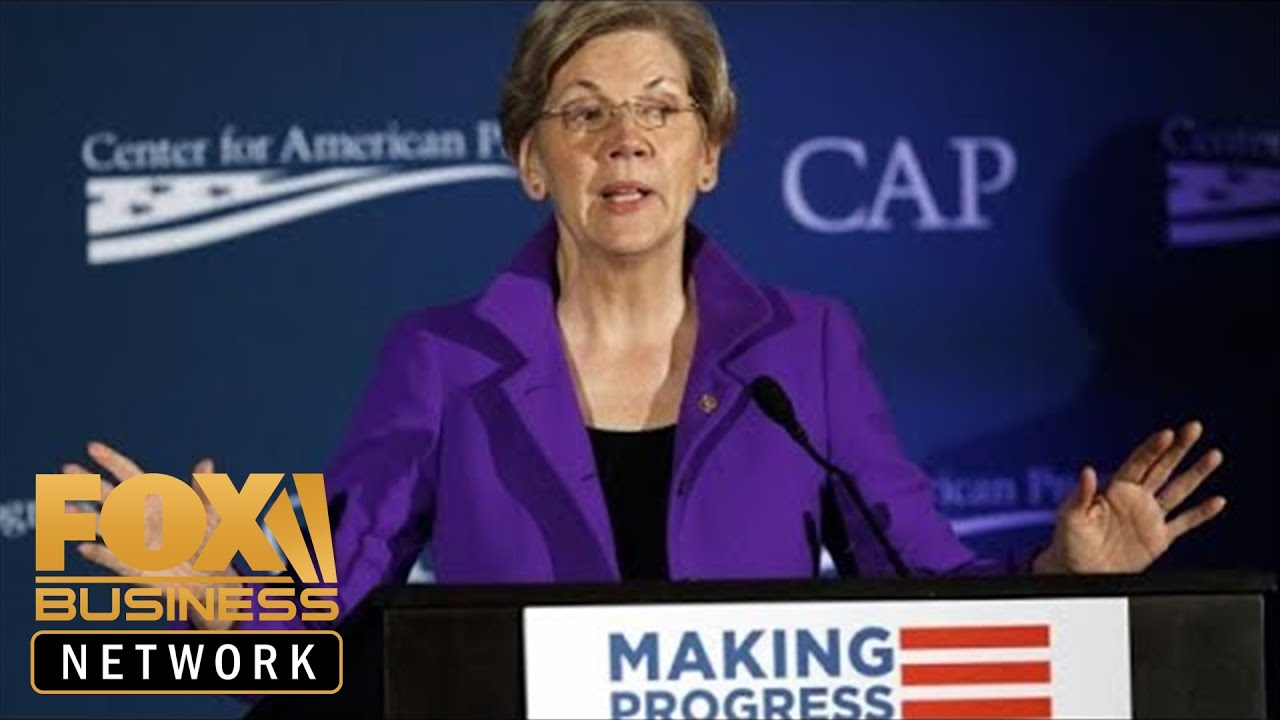
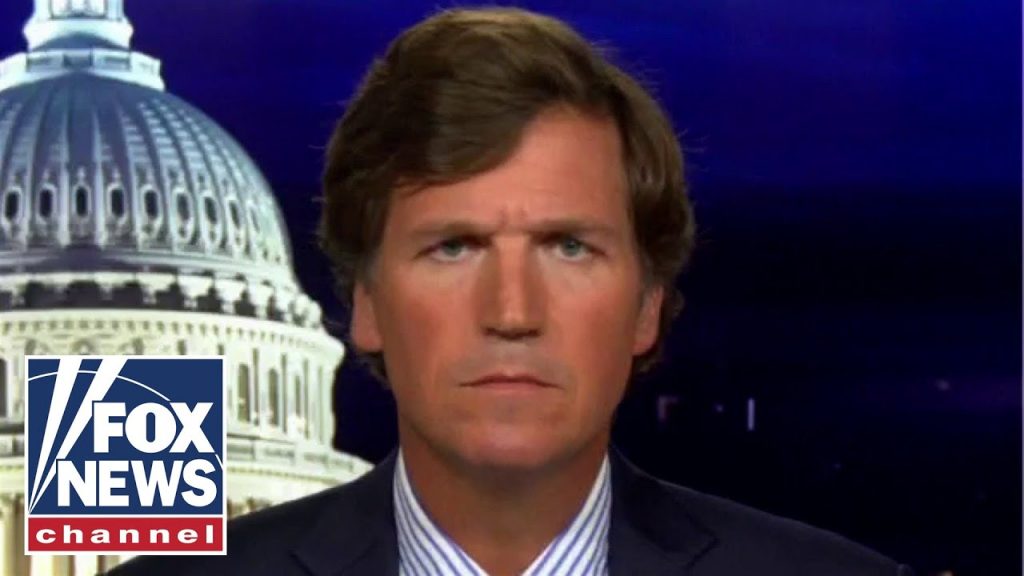
Stuart Varney takes a blowtorch to Elizabeth Warren’s trade blueprint, and he’s not being subtle about it.
On the July 30 edition of Varney & Co., host Stuart Varney tore into Senator Elizabeth Warren’s newly unveiled trade platform, calling it an “economic fantasy” built on ideological checklists rather than commercial reality. The Massachusetts senator’s plan, an extension of her “economic patriotism” agenda, would require any nation seeking a bilateral trade deal with Washington to clear a long list of preconditions first. Varney argued that list would functionally shut America out of the global marketplace it depends on.
- Warren’s trade proposal demands that partner nations uphold core labor standards, enforce environmental safeguards, commit to the Paris climate accord, end fossil fuel subsidies, and close tax evasion loopholes before any free trade agreement can move forward.
- Varney branded the plan an “economic fantasy,” arguing that tying trade access to Paris accord compliance and similar mandates would isolate the U.S. from major trading partners.
- He contended the preconditions would disrupt supply chains and raise costs for consumers rather than protect American workers.
The Preconditions Driving the Critique
Warren’s framework, laid out on her campaign site as “A New Approach to Trade,” is built around the idea that trade deals should never be signed with countries unwilling to meet U.S.-set standards on labor rights, environmental protection, and climate policy. Under her proposal, a country would need to be a full participant in the Paris climate accord, phase out fossil fuel subsidies, and eliminate tax evasion schemes as a baseline just to sit down at the negotiating table with American trade officials.
Varney’s objection wasn’t to the individual planks so much as the cumulative effect of stacking them all as prerequisites. He argued that treating trade as a reward for ideological compliance, rather than a two-way economic relationship, would leave few nations able to qualify — and leave the U.S. on the outside of commerce it currently relies on.
Varney Criticizes Policy as Unworkable
Varney’s core argument on Varney & Co. centered on scale: the world’s major trading partners simply don’t align uniformly with the standards Warren wants to impose, especially on climate. He said conditioning market access on Paris accord participation and fossil-fuel-subsidy elimination would sharply narrow the field of countries the U.S. could trade with, effectively walling America off from competitive global commerce rather than strengthening its hand in it.
Varney called Warren’s platform an “economic fantasy,” warning that tying trade deals to compliance with the Paris climate accord and similar mandates would isolate the U.S. from its major partners.
He also pushed back on the idea that the plan protects American workers. Instead, Varney argued the regulatory hurdles would disrupt supply chains that manufacturers and retailers depend on, push costs onto consumers, and slow the kind of growth trade agreements are supposed to generate in the first place.
A Managed-Trade Vision
Varney framed Warren’s approach as a shift toward heavily managed, restricted commerce — a model detached from how competitive global markets actually function. Where trade deals are typically negotiated around tariffs, quotas, and market access, Warren’s plan front-loads ideological compliance as the price of entry, something Varney said no serious trading partner would accept wholesale.
That critique landed against the backdrop of a Democratic primary where several candidates, including Joe Biden’s campaign with its own economic plan for America, have been rolling out competing visions for trade and industrial policy. Warren’s version leans further left on labor and climate conditions than most of the field, which is precisely what gave Varney his opening.
Warren’s team has continued to defend “economic patriotism” as a rejection of the trade deals she blames for hollowing out American manufacturing, but on Varney & Co. the argument didn’t get past the premise: a wish list of preconditions, Varney said, isn’t a trade policy — it’s a way to stop trading.







Greyhound to ban immigration checks on buses without warrant
Trump authorizes arrests of anyone vandalizing monuments
Has Congress Lost its Mind? $2,000 Stimulus vs War with Korea
U.S. officials recover $2.3 million in crypto used to pay ransom in Colonial Pipeline hack
New York City death toll spikes with revised count