

 InfoSearched
Trump ditches the census citizenship question, but not the fight over who counts as a citizen.
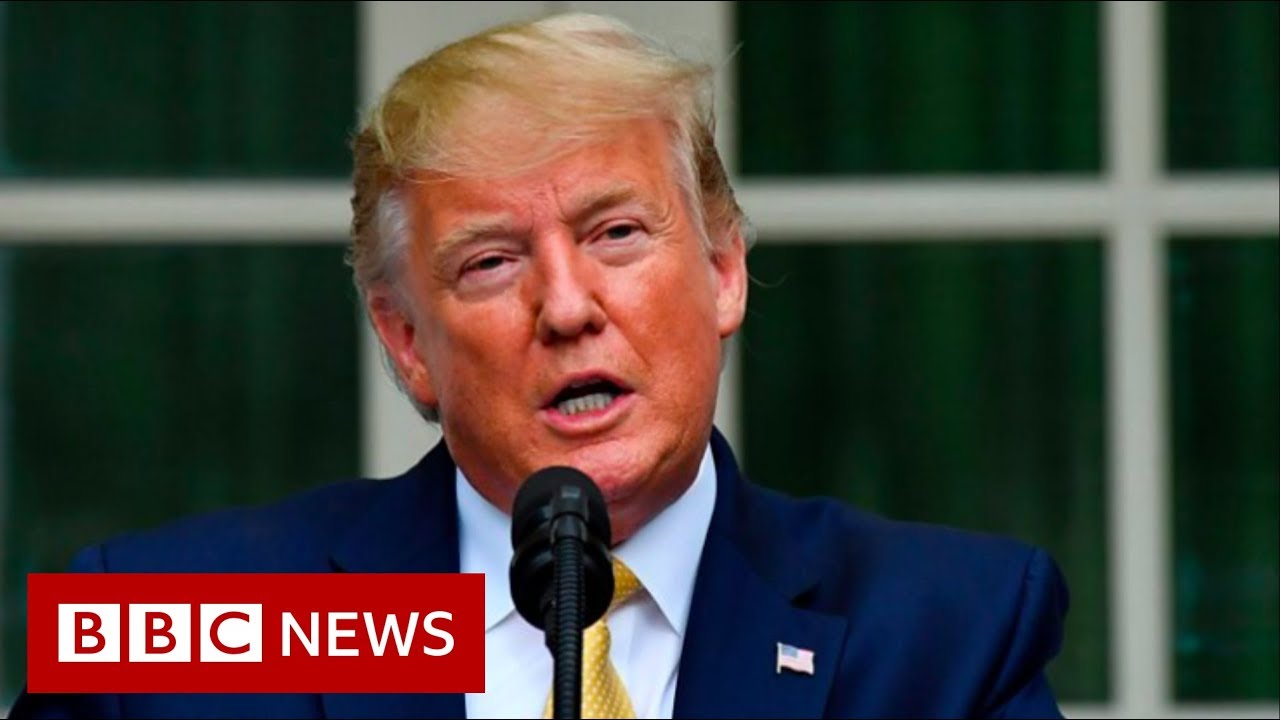
Nearly two weeks after the Supreme Court blocked his administration’s push to ask every household about citizenship status, President Trump announced on July 11 that he was abandoning the fight over the 2020 census questionnaire itself. Instead, he signed an executive order directing federal agencies to hand over their own citizenship records to the Commerce Department — a workaround designed to get the same data without the question, and without blowing through the printing deadline for 1.5 billion census forms.
- The Supreme Court ruled 5-4 on June 27 in Department of Commerce v. New York that Commerce Secretary Wilbur Ross’s stated justification for the question — enforcing the Voting Rights Act — was “contrived,” sending the case back to lower courts.
- Trump signed Executive Order 13880 on July 11, ordering agencies including the Department of Homeland Security and the Social Security Administration to turn over administrative records so Commerce can compile citizenship figures without printing a new question.
- Attorney General William Barr confirmed the Justice Department would notify federal judges that the census questionnaires will go to print without the citizenship question, closing out the litigation over the form itself.
Administration Reverses Position on Policy
The census printing timeline never gave the White House much room to maneuver. Once the Supreme Court remanded Ross’s rationale as pretextual, government lawyers faced the prospect of drawn-out proceedings in lower courts that couldn’t possibly resolve before forms had to go to the printer. Rather than risk missing that deadline — or asking a court to bless a new, hastily written justification for the question — Trump chose to stand next to Barr at the White House and announce a different route entirely.
Barr’s presence mattered. As the government’s top lawyer, he was the one who could formally tell federal judges hearing the various citizenship-question lawsuits that the fight over the questionnaire was over, clearing the docket without a final ruling on the merits of Ross’s original rationale.
Scope of Executive Order 13880
Rather than asking respondents directly, the order instructs agencies to feed existing administrative data — DHS immigration records, Social Security files, and other federal databases — into the Commerce Department, which will attempt to build a citizenship count by matching those records against the broader census population data. Trump argued the approach would produce a “full, complete, and accurate count” that would be more reliable than a self-reported answer on a form.
“We will be able to ensure a more accurate count, one that will be far more accurate,” Trump said, defending the administrative-records approach over a printed question.
The order effectively resurrects, through a different mechanism, the same data-gathering effort that occupied the courts for over a year — an approach Trump has used before, as seen with his executive order ending preferential treatment for Hong Kong and his order on skills-based federal hiring, both of which relied on directing agencies to act rather than pursuing new legislation.
The Redistricting Fight Underneath the Data
Civil rights groups and legal analysts were quick to flag what they see as the real target of the administrative-records push: redistricting. Critics argue the citizenship data compiled under the order could be used by states to redraw electoral districts based on citizen voting-age population rather than total population — a shift that would shrink the political weight of districts with large immigrant communities, even though every resident, citizen or not, is currently counted for apportionment purposes.
Statisticians and legal experts raised a separate, more technical concern: administrative records are patchwork by nature. DHS and Social Security files don’t cover everyone, aren’t uniformly updated, and were never designed to produce a nationwide citizenship count. Experts warned the resulting estimates could be too unreliable to survive legal scrutiny if used for redistricting, while the mere existence of the data-sharing effort risks scaring immigrant households away from cooperating with census takers altogether — the same chilling effect the citizenship question itself was accused of causing.
Future Direction of Legal Conflict
With Barr’s notification to the courts, the printing of the 2020 questionnaire is settled — there will be no citizenship question on the form households receive next spring. But Executive Order 13880 all but guarantees a second round of litigation, this time over whether Commerce can lawfully compile and hand off administrative citizenship estimates for redistricting purposes, and whether those estimates hold up against a Voting Rights Act challenge once states start drawing new maps after the count is finalized.





What To Know Before You Use ‘Free’ Tax Software
How Coronavirus Quarantines Lead To A Drop In Air Pollution
Fed’s Rosengren on Economy, Fiscal Policy, Negative Rates
Health care workers say they’ve been told to keep silent on hazardous conditions
Small Business Loan program running out of money for small businesses