

 InfoSearched
A new poll gives Trump a number Democrats can’t easily spin away.
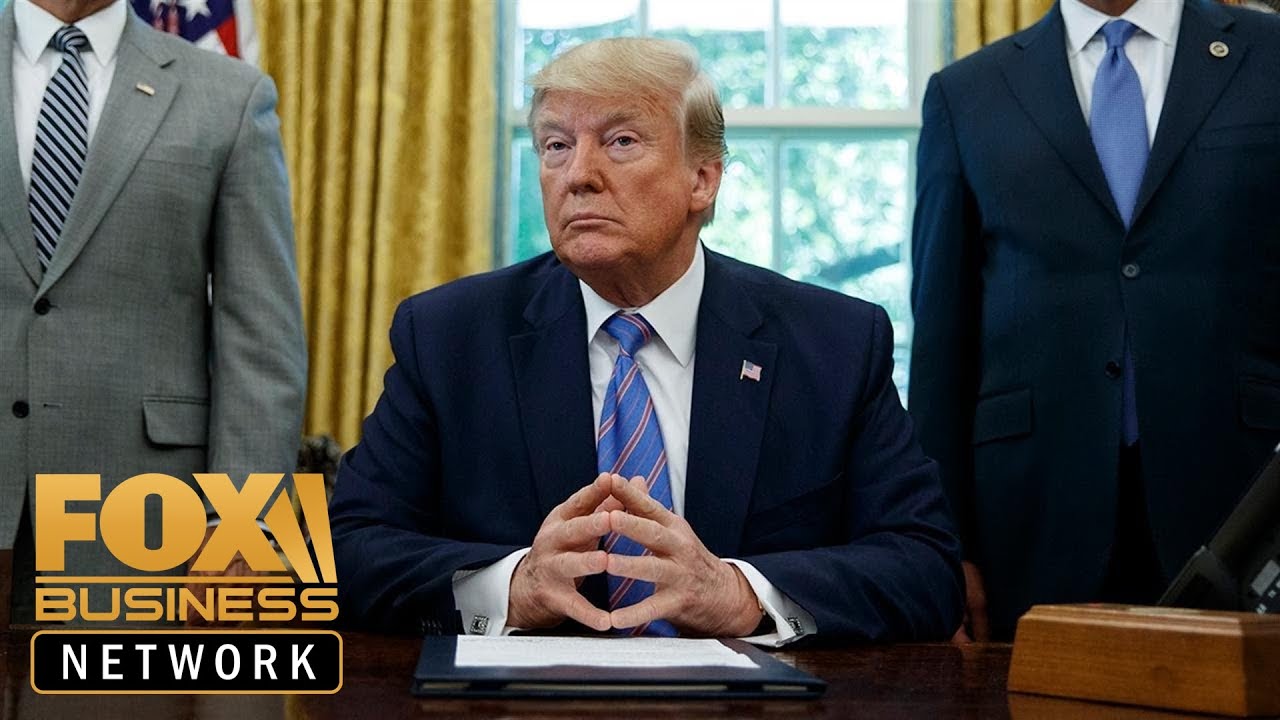
Right around the halfway mark of Trump’s term, a fresh round of national surveys handed him something his overall job approval hasn’t managed in months: a majority. On Fox Business, host Neil Cavuto brought in Washington Examiner commentary writer Tiana Lowe and Democratic strategist Jehmu Greene to hash out what it actually means that a majority of voters like what Trump is doing with the economy — even as they remain skeptical of him personally.
- Polling in the vein of The Hill-HarrisX summer 2019 surveys found 51% to 52% of registered voters approved of Trump’s handling of the economy, versus roughly 48% who disapproved.
- That economic approval number held up even while Trump’s overall job approval rating stayed stuck in the low 40s.
- Tiana Lowe pointed to low unemployment, job creation and wage gains as the tangible drivers behind the numbers; Jehmu Greene countered that trade-war tariffs, healthcare costs and income inequality were eating into that goodwill beneath the surface.
The Numbers Behind the Split Screen
The gap between Trump’s economic approval and his general approval rating is the story here. A president can be underwater on the horse-race question — the one voters answer when asked if they simply approve of the job he’s doing — while running comfortably positive on the specific question of the economy. That’s exactly what the summer 2019 data showed: 51-52% economic approval against a general approval rating still parked in the low 40s. For a White House gearing up for 2020, that gap is either a lifeline or a warning sign depending on which panelist you ask.
Lowe made the case on-air that this split isn’t noise, it’s signal. Low unemployment, steady hiring and real wage growth are showing up in people’s paychecks, not just in White House talking points, and voters outside the political conversation happening on cable news and Twitter are crediting Trump for it regardless of how they feel about his tweets or his temperament.
Lowe’s Case: Kitchen-Table Numbers Win
Lowe argued that Democrats heading into the 2020 primary are making a strategic error by leaning into controversy-driven messaging instead of confronting the economic data directly. Her point was blunt: if a majority of voters credit Trump on jobs and wages, Democratic candidates need an economic argument of their own, not just character attacks, or they cede the single issue that tends to decide close elections.
Democrats face a severe messaging challenge heading into 2020 if they keep focusing on political controversies instead of kitchen-table issues.
Greene’s Counterpoint: The Numbers Hide the Anxiety
Greene pushed back hard, arguing the topline approval number flattens a much messier reality. She pointed to rising healthcare costs, persistent income inequality and the unresolved risk from Trump’s tariffs and trade fights as pressure points that haven’t fully shown up in the polling yet but are sitting on voters’ minds. Her argument: a late-cycle expansion that’s been building for years isn’t purely a Trump product, and voters’ unease with his conduct and unpredictability will limit how much credit he ultimately gets when they’re actually in the voting booth.
That tension — solid numbers now against uncertainty about tariffs and trade later — is the crux of why this poll became a talking point at all. Both panelists agreed the trade fight with China remains the biggest variable; neither pretended to know how farmers and consumers absorbing tariff costs will feel about the economy a year from now.
2020 Strategic Outlook and Implications
The practical stakes are straightforward. If Trump keeps posting economic approval numbers in the low 50s while his overall rating trails in the low 40s, his campaign’s entire 2020 pitch is likely to be built around the economy specifically rather than his personal favorability. That’s a deliberate, narrower argument — and it’s exactly the argument Lowe was making Democrats need a real answer for.
Cavuto’s panel didn’t resolve the disagreement, and it wasn’t built to. Lowe’s betting the paycheck numbers keep winning; Greene’s betting the tariffs and the healthcare bills catch up before November 2020. Whoever’s right, the next Hill-HarrisX read and the next jobs report will be the actual scoreboard, not a Fox Business green room.







Cattle Rancher Warns About the Meat You’re Buying
Georgia reopens businesses despite Trump’s opposition
Elites don’t want you to question their coronavirus policies
Florida shatters national record for new coronavirus cases
Entire Portland riot squad resigns after officer’s indictment