

 InfoSearched
New York City’s mayor tells eight million people to get ready to stay home.
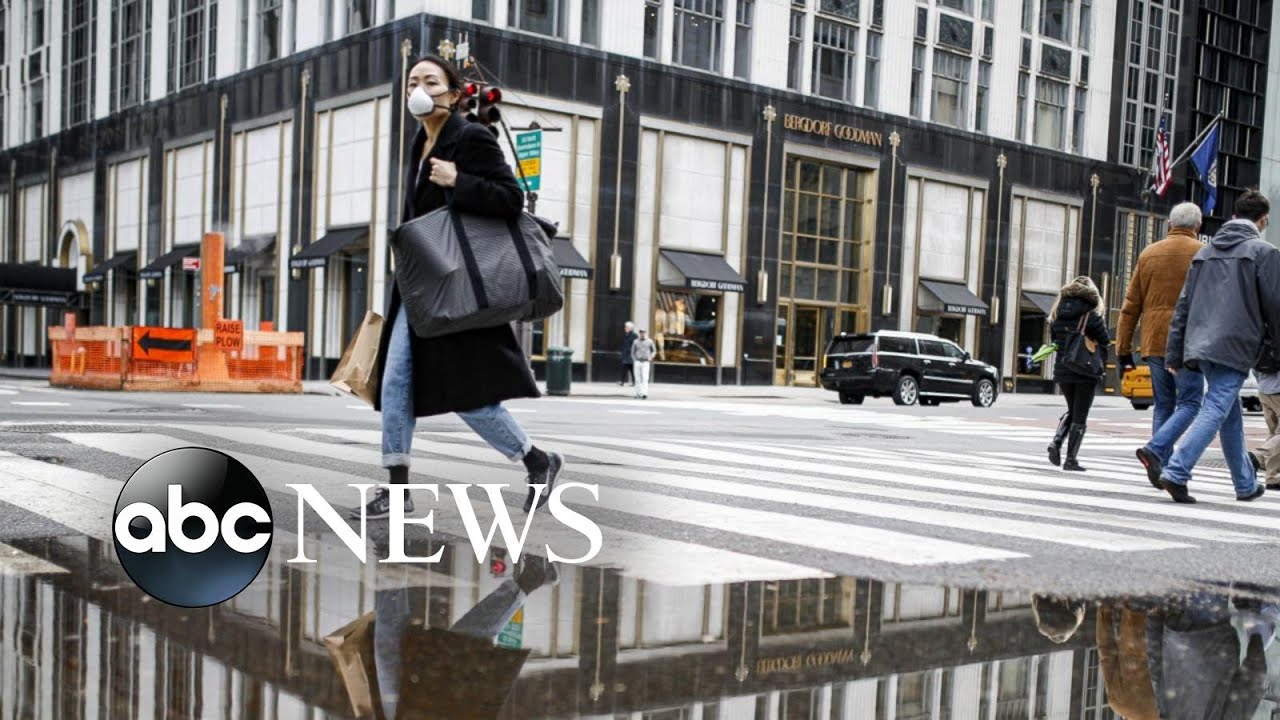
Bill de Blasio stood before reporters on Tuesday, March 17, 2020, and delivered a warning most New Yorkers had never heard from a sitting mayor: prepare for a shelter-in-place order that could arrive within 48 hours. No decision had been made yet, he stressed, but the city with the nation’s highest coronavirus case count needed to be ready to lock down.
The announcement landed hours before Governor Andrew Cuomo’s office pushed back hard, setting up a public standoff between City Hall and Albany over who actually controls New York’s response to COVID-19.
- New York City’s confirmed cases climbed to 814 across the five boroughs — 277 in Manhattan, 248 in Queens, 157 in Brooklyn, 96 in the Bronx and 36 in Staten Island — with seven deaths reported.
- New York led the nation with more than 1,300 confirmed cases statewide, including four Brooklyn Nets players who tested positive.
- Cuomo’s administration rejected de Blasio’s shelter-in-place framing on the evening of March 17, and by Wednesday, March 18, the governor said any local lockdown requires state approval and that he would not authorize one for New York City.
The Warning From City Hall
De Blasio’s proposed restrictions would have mirrored the measures already in place across the San Francisco Bay Area, where residents were confined to their homes except for essential trips — buying groceries, getting medical care, or commuting to jobs deemed essential. The mayor framed it as a matter of when, not if, telling residents the city needed 48 hours’ notice to prepare if the order came down.
He pointed to New York City’s case count as justification. With 814 confirmed infections spread across every borough and seven deaths already logged, the city was tracking well ahead of the rest of the country in raw numbers, a trend that had already pushed other states toward stricter restrictions of their own.
Cuomo Draws a Line
The governor’s office wasted no time contradicting the mayor. Within hours of de Blasio’s remarks, Cuomo’s administration made clear that no city in New York state has the unilateral authority to order residents to shelter in place — that call belongs to the state.
Cuomo argued the phrase “shelter-in-place” invites the kind of panic associated with an active shooter or a nuclear threat, and said he would not authorize it for New York City.
By Wednesday, March 18, Cuomo had flatly rejected the idea, drawing a public wedge between two of the most visible figures in the state’s pandemic response at the exact moment residents needed a single, consistent message.
A Statewide Surge Behind the Standoff
The friction between de Blasio and Cuomo unfolded against a backdrop of rapidly rising numbers. New York’s more than 1,300 statewide cases made it the epicenter of the U.S. outbreak by mid-March, a distinction underscored by the news that four Brooklyn Nets players had tested positive for COVID-19 — proof the virus had already reached professional locker rooms, not just hospitals and nursing homes.
That statewide total dwarfed anything else being reported in the country at the time, a gap that would only widen in the weeks that followed as projections of the death toll began circulating among health officials and modelers.
De Blasio’s threshold for essential travel — groceries, medical care, essential work — was never formally implemented on March 17 or 18. Whether it would be depended entirely on whether Cuomo’s office changed its position, and as of Wednesday morning, the governor had given no indication he would.




COVID-19 empties out New York
Delta COVID-19 strain puzzling authorities | Australia
Ghislaine Maxwell reportedly ready to name names
Apple Q3 2019 results: iPhone revenue hits 7-year low
COVID-19 – An Easy Way to Know You DON’T HAVE IT!