

 InfoSearched
New York’s cops are quietly plotting to sit out Independence Day.
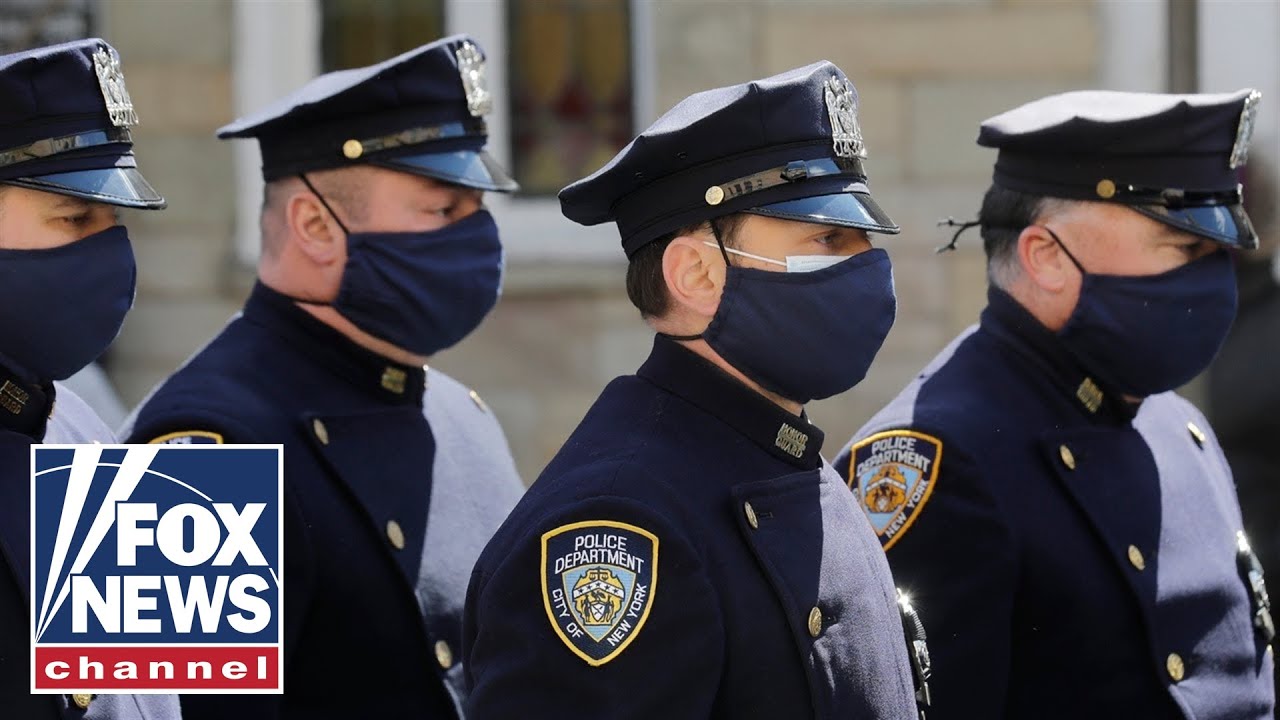
Text messages and digital flyers circulating through NYPD precincts in mid-June called for officers to walk off the job starting at 3:00 p.m. on July 4th, a coordinated “blue flu” meant as payback for what rank-and-file cops see as open hostility from City Hall and Albany. The New York Post first reported the campaign on June 18, and it landed amid a national reckoning over policing that had already put the department under a microscope. Manhattan Institute fellow Heather Mac Donald joined Fox News to put the sickout push in the context of a wave of similar walkouts and morale collapses hitting police departments across the country.
- Flyers urged officers to request sick leave through their precinct, call the department’s sick desk if denied, or ultimately “request a bus” — an ambulance — to be sent home, all workarounds designed to avoid violating New York’s Taylor Law, which bars public employees from striking.
- One widely shared text read: “NYPD cops will strike on July 4th to let the city have their independence without cops,” adding, “The people and this city doesn’t honor us why honor them.”
- NYPD spokesperson Sgt. Jessica McRorie pushed back publicly, insisting officers would be on duty July 4th and that strike claims were false, while PBA president Patrick Lynch warned officers were nearing a “breaking point.”
The Organization of the Sickout
The mechanics of the plan were built specifically to skirt the Taylor Law, the state statute that threatens public employees with fines and jail time for striking. Rather than staging an open walkout, the flyers instructed officers to work the system from the inside: file for sick leave at the precinct level, escalate to the department’s sick desk if a supervisor balked, and, as a last resort, report to command and ask to be sent home by ambulance. It’s a playbook cops have used before during contract disputes, but the timing — a symbolic holiday, at a specific hour, with a coordinated start time of 3:00 p.m. — gave this one the shape of an organized protest rather than a run of coincidental flu cases.
The Grievance Behind the Flyers
The messages didn’t hide the motive. Framing July 4th as a day the city could have “independence without cops,” the texts cast the sickout as retaliation for what officers describe as a city and a political class that had turned on them following the death of George Floyd and the nationwide unrest that followed. That anger had been building for weeks, fueled by incidents like the case covered in an NYPD precinct commander quitting in protest over the department’s lack of support for his officers, a sign that frustration wasn’t confined to anonymous group texts.
“NYPD cops will strike on July 4th to let the city have their independence without cops. The people and this city doesn’t honor us why honor them.”
Legislative Fuel on Top of the Fire
The sickout chatter didn’t emerge in a vacuum. It followed Governor Andrew Cuomo signing a sweeping police reform package that banned chokeholds statewide and repealed Section 50-A, the provision that had shielded officer disciplinary records from public disclosure. It also came the same week Fulton County prosecutors filed charges against Atlanta officers in the fatal shooting of Rayshard Brooks, and amid a growing national push to defund police departments outright — pressure that in New York had already produced concrete budget consequences, detailed in Mayor de Blasio’s move to slash $1 billion from the NYPD budget as violent crime surged. For officers already feeling like political targets, the timing of new restrictions and budget cuts landing simultaneously read as confirmation of everything the flyers were complaining about.
The Department’s Response
NYPD brass moved quickly to knock down the strike narrative in public. Sgt. Jessica McRorie told reporters officers would be on duty July 4th protecting the city and that claims of an organized walkout were false. Patrick Lynch, head of the Police Benevolent Association, didn’t dispute that officers were angry — he described rank-and-file cops as approaching a “breaking point” after feeling demonized by politicians — but he stopped short of endorsing an illegal action that could expose members to Taylor Law penalties.
Mac Donald’s larger point on Fox News was that New York wasn’t an isolated case. Sickouts, mass retirements, and cratering morale were showing up in police departments nationwide that same month, and the July 4th flyers were just the most visible, most quotable version of a trend playing out quietly in precinct houses across the country. Whether enough officers actually called in sick to move the needle on July 4th itself would be the next thing to watch — but the fact that rank-and-file cops felt they had to route around a state anti-strike law just to register a protest told its own story about where things stood between the department and the officers wearing its badge.


Biden’s accuser says he should drop out of White House race
White House responds to political fallout from coronavirus
Senior U.S. official says missiles fired on Saudi oil plant were launched from Iran
China’s Shadow Elections: Fake or Real?
Ghislaine Maxwell behind bars as new details emerge