

 InfoSearched
Rockets rain down on Camp Taji, and Washington starts weighing a response.
A rocket barrage tore into Camp Taji, an Iraqi military base just north of Baghdad that houses American and coalition troops, late Wednesday, killing three service members and wounding more than a dozen others. Two of the dead were Americans; the third was a British soldier — the first UK combat death in Iraq in years. The strike immediately triggered urgent phone calls between U.S. and British officials and put the Pentagon on a fast track toward retaliation.
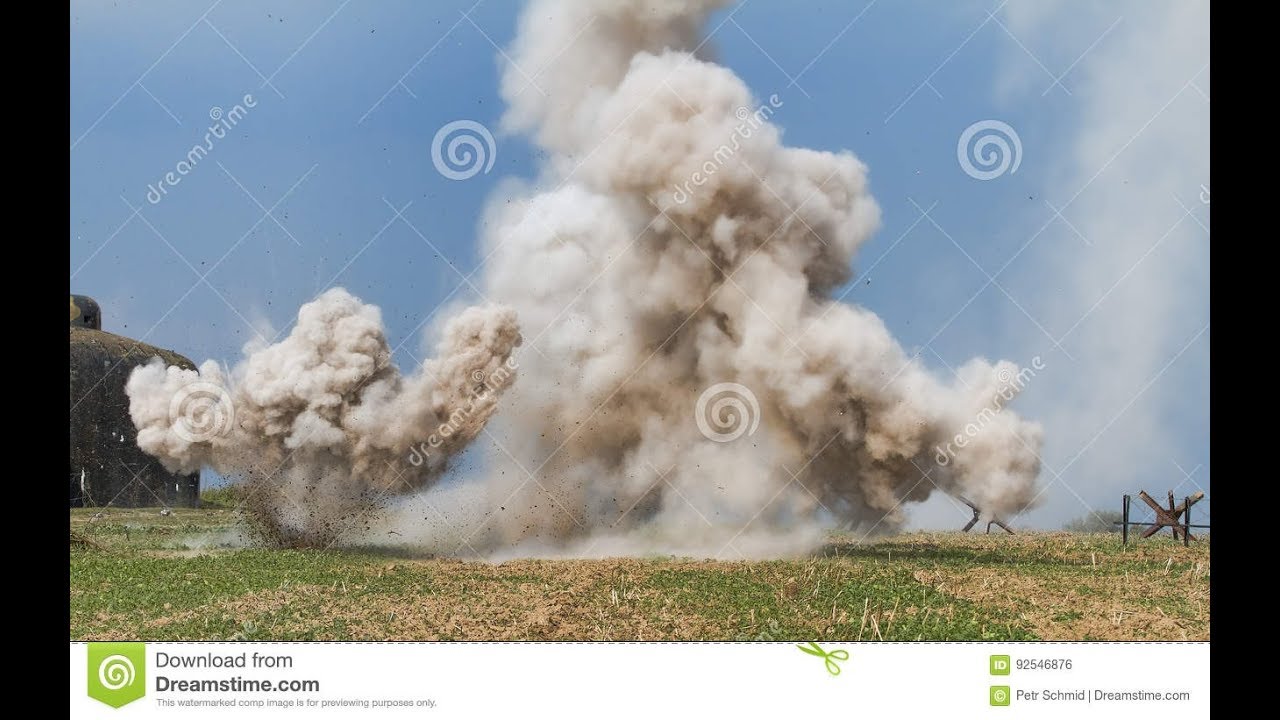
- Roughly 18 107mm Katyusha rockets hit Camp Taji, fired from a rigged truck that Iraqi security forces later found abandoned several miles from the base.
- Three coalition troops were killed — two Americans and one British soldier — with 12 to 14 more wounded; names are being withheld until families are notified.
- It’s the deadliest attack on U.S. forces in Iraq since the December 2019 rocket barrage in Kirkuk, and U.S. officials are pointing to the Iranian-backed militia Kataib Hezbollah.
The Attack at Camp Taji
Camp Taji sits north of Baghdad and has served for years as a training hub for Iraqi forces working alongside the U.S.-led coalition. According to Col. Myles Caggins, spokesman for Combined Joint Task Force–Operation Inherent Resolve, the base absorbed close to 18 Katyusha rockets in the assault, a volley large enough to guarantee casualties even against hardened positions. The rockets were traced to a truck rigged as a mobile launcher, which Iraqi security forces recovered abandoned several miles away — a signature that U.S. officials have seen repeatedly from Shia militia factions operating in Iraq.
No group claimed the attack in its immediate aftermath, but American defense officials moved quickly to name a suspect: Kataib Hezbollah, an Iranian-backed militia that Washington already blames for a string of rocket attacks on U.S. positions across Iraq over the past several months. The group has denied involvement in past strikes even as U.S. intelligence assessments pinned attacks on its fighters.
Casualties and the Toll
Three coalition service members died in the strike — two Americans and one British soldier — with somewhere between 12 and 14 additional personnel wounded, according to coalition figures. Officials withheld the identities of the fallen pending notification of next of kin, standard protocol that leaves families and units bracing before names become public.
Roughly 18 rockets struck the base — the deadliest single attack on U.S. forces in Iraq since the December 2019 barrage in Kirkuk.
That comparison to Kirkuk matters. The December attack set off a chain reaction — U.S. airstrikes on Kataib Hezbollah facilities, an angry mob storming the U.S. Embassy in Baghdad, and ultimately the January drone strike that killed Iranian general Qassem Soleimani. Camp Taji now raises the same question Washington faced then: how hard does the U.S. hit back, and at whom.
Washington and London Weigh a Response
The British casualty turned this into a two-capital problem overnight. U.S. and UK officials held high-level talks within hours of the attack, and both governments signaled that military retaliation options were already being drawn up rather than merely discussed. The tension echoes the broader standoff between Washington and Tehran that’s played out across Iraq, Syria and the wider region — the same dynamic that’s kept U.S.-Russia relations over spheres of influence in places like Ukraine under such close watch.
President Trump has previously said he does not want American troops dragged into open-ended conflict in Iraq, even as he’s authorized strikes when U.S. personnel are killed. The administration’s posture after Soleimani’s death suggests any retaliation for Camp Taji would target Kataib Hezbollah infrastructure and leadership directly rather than Iranian assets on Iranian soil, mirroring the calculus Trump has faced on other fronts, including when he had to answer for intelligence claims about Russian bounties on U.S. troops.
For now, the rocket launch site has been recovered, the wounded are being treated, and the identities of the three dead are still working their way through next-of-kin notification. What happens next depends on whether U.S. and Iraqi intelligence can definitively tie the attack to Kataib Hezbollah — and how fast the Pentagon decides that answer is good enough to act on.




How is China using surveillance to fight coronavirus?
What’s going on with China’s economy? – BBC News
February 3, 2022: NATO, Russia troops, Erdogan, Ukraine, Biden in NYC, Winter Olympics, Mississippi
China to Lift Lockdown on Coronavirus Epicenter
U.S. Soccer says women’s team was paid more than men