

 InfoSearched
The Trump administration moves to shut the border to asylum seekers as coronavirus fears spread through detention facilities.
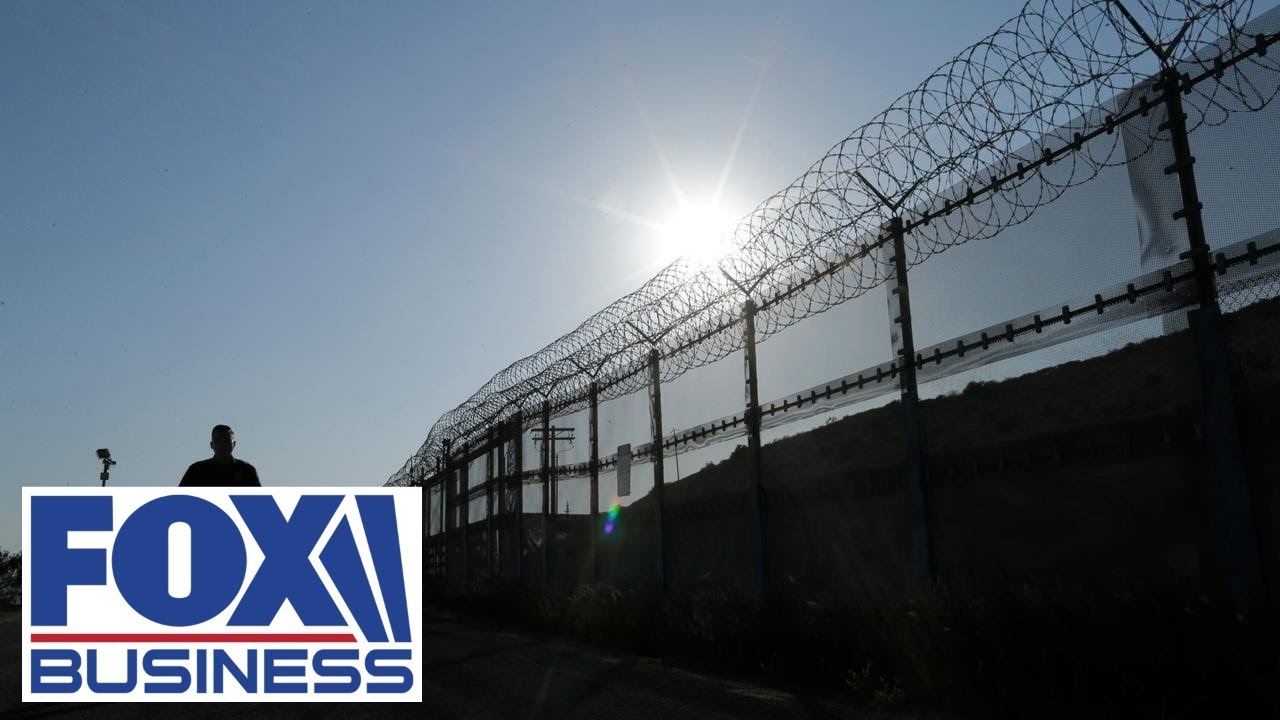
The federal government is preparing to invoke a nearly 80-year-old public health law to immediately turn away asylum seekers and undocumented migrants at the U.S.-Mexico border, according to a report first published by The New York Times on March 17. The plan would let Customs and Border Protection agents bypass standard immigration proceedings entirely, sending people back to Mexico or their home countries within hours instead of holding them for hearings. Retired U.S. Army Colonel David Hunt broke down the security and logistical stakes of the move on Fox Business, zeroing in on what happens inside crowded detention facilities if COVID-19 gets a foothold there.
- The administration is planning to invoke Title 42, a 1944 public health statute, to bypass normal asylum and immigration proceedings at the southern border.
- Under the plan, CBP agents could rapidly return migrants — including asylum seekers, families, and children — to Mexico or their countries of origin without detaining them first.
- Human rights organizations and legal experts are pushing back, warning that summary removals without due process conflict with U.S. asylum law and international refugee conventions.
The Mechanics of Title 42
Title 42 is a public health provision dating back to 1944, long before modern U.S. asylum law existed. It gives federal health authorities the power to bar entry of people or goods when there’s a “serious danger” of a communicable disease spreading into the country. Invoking it now would let CBP treat every border crossing as a public health matter first, immigration matter second — meaning an asylum claim wouldn’t even get a hearing before someone is sent back across the line.
That’s a sharp departure from the process asylum seekers currently go through, which typically involves screening interviews, court dates, and in many cases extended stays in detention or shelter facilities while cases move through the system. The new approach effectively short-circuits all of that in the name of speed.
The Detention Facility Problem
On Fox Business, Colonel Hunt focused on the practical risk driving the proposal: detention centers weren’t built for social distancing. Migrants are often held in close quarters with shared bathrooms, dining areas, and sleeping space — exactly the conditions health officials were warning against as COVID-19 case counts climbed nationwide in mid-March. Hunt’s argument was that keeping people in those facilities for standard processing timelines, rather than moving them through quickly, raises the odds of an outbreak spreading among detainees and the agents guarding them.
That logistical concern is separate from the legal one. CBP has for years managed unauthorized crossings and processed asylum claims within the constraints of existing law; the coronavirus outbreak now adds a public health justification the agency hasn’t had to invoke before, and it’s already reshaping enforcement conversations elsewhere — the debate over rising costs of moving migrants once they’re in custody, detailed in the report on flights for illegal immigrants costing taxpayers $340 million, shows how quickly logistics questions can become political flashpoints.
The Legal and Humanitarian Pushback
Advocacy groups moved fast once the report surfaced. Their central objection is that Title 42 wasn’t designed as an immigration tool, and using it to override asylum protections sidesteps due process guarantees that exist specifically because summary removal can send people back into danger.
Legal experts warn that turning away asylum seekers without a hearing conflicts directly with the non-refoulement principle at the core of U.S. and international refugee law.
That principle bars returning someone to a country where their life or freedom would be threatened — and it’s the same standard that’s been cited in nearly every major asylum dispute for decades.
The timing matters here too. This proposal comes as multiple states were already tightening coronavirus restrictions amid rising case counts nationwide in mid-March, giving the administration a broader public health backdrop to justify emergency border action — even as critics argue the emergency shouldn’t erase legal obligations that predate the outbreak.
Whether Title 42 actually gets invoked, and how fast, depends on how quickly DHS and HHS can finalize the order — the kind of decision that in past administrations took weeks of interagency review but is now moving on a matter of days given how fast the outbreak is spreading along the border region.







A Video Message of Appreciation on the 2019–20 U.S. News & World Report Best Hospital Rankings
Quarantined for coronavirus on the Diamond Princess: Part 2
How Scammers in China Manipulate Amazon
USC to eliminate tuition for families making under $80,000
Trump’s Baltimore battle threatens to overshadow strong economy