

 InfoSearched
The shelves went empty in a matter of days, and Sootch wants you ready before it happens again.
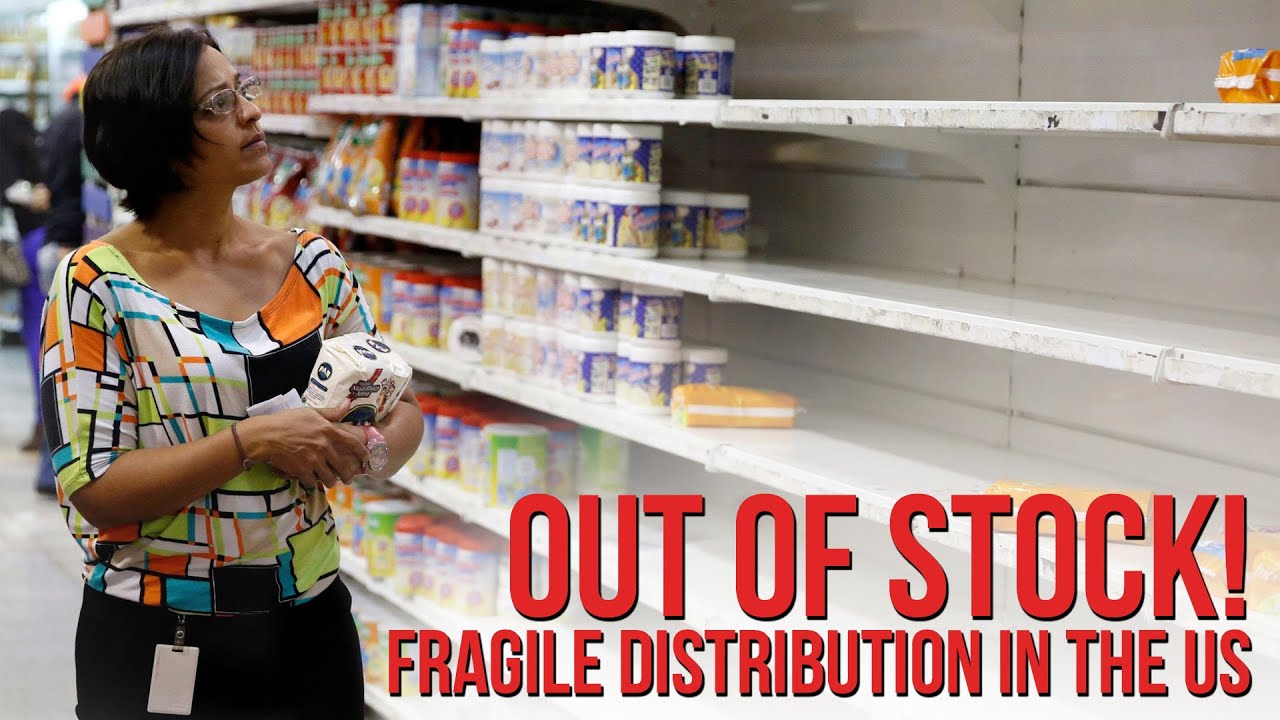
By early April 2020, the routine of two-day shipping and fully stocked aisles had collapsed under the weight of a national panic. Hand sanitizer vanished, paper products disappeared, and canned goods sat in bare rows at grocery stores across the country. In “Out of Stock! Fragile Distribution in the US,” firearms and survival instructor Sootch — known to his audience from Sootch00 and Sensible Prepper — breaks down exactly why that happened and what ordinary households can do so it doesn’t catch them off guard again.
- Sootch traces the shortages of hand sanitizer, paper products, and non-perishable foods directly to the breakdown of just-in-time inventory systems once COVID-19 hit.
- He argues that modern conveniences like two-day shipping and constant shelf restocking have masked how thin the margin for error really is in commercial supply chains during a national emergency.
- His core recommendation is building a personal buffer of essentials at home rather than counting on stores to restock on schedule.
Causes of Rapid Shelf Depletion
Sootch’s central point is that retailers never carried much surplus to begin with. Just-in-time distribution means trucks arrive, shelves fill, and inventory turns over within days — a model built for efficiency, not for a sudden nationwide spike in demand. When millions of households tried to stock up on the same items in the same week, there was no reserve sitting in a warehouse to absorb the shock.
That’s the gap between what consumers assume about retail and how it actually works. Two-day shipping and always-full shelves create the illusion of bottomless supply, but Sootch walks through how quickly that illusion breaks down once a single link in the chain — a supplier, a trucking route, a warehouse — gets overwhelmed. The paper towel and toilet paper runs that made headlines that spring, he explains, were a direct symptom of a system with almost no slack built in.
Don’t be scared, be prepared.
Building a Home Buffer
Rather than dwelling on panic, Sootch pivots to practical steps. He recommends households maintain their own buffer stock of essentials — food, water, hygiene supplies — sized to outlast a temporary disruption rather than depend on same-week restocking. That buffer, he says, is what separates a family that rides out a bad month from one scrambling store to store.
He frames this less as extreme prepping and more as basic household management, similar advice to what surfaced elsewhere as grocery prices climbed nationwide that spring and shoppers faced both scarcity and sticker shock at the same time.
Preparedness Without Panic
Sootch is careful throughout the video to separate his advice from the kind of hoarding behavior that made the initial shortages worse. His approach isn’t about clearing shelves in a single trip — it’s about building supply margins gradually, before a crisis hits, so households aren’t competing with everyone else at the same moment. That mindset echoed the broader public unease of the period, the same unease that sent Michigan residents to their state capitol to protest lockdown restrictions just days after this video went up.
He closes his instructional points by tying the distribution breakdown back to a broader lesson about self-reliance: national emergencies don’t ask permission before they hit, and the households with even a modest buffer of essentials are the ones who avoid the empty-shelf scramble entirely.









12-Year-Old Boy and 14-Year-Old Girl Have Shootout With Cops
Chaos in American airports
Michigan governor dismisses massive protest as a ‘political stunt’
Why is this a ‘critical moment’ for the US and Russia over Ukraine? – BBC News
UK Prime Minister Boris Johnson out of ICU amid COVID-19 battle