

 InfoSearched
The Fourth of July that public health officials didn’t want anyone to enjoy too much.
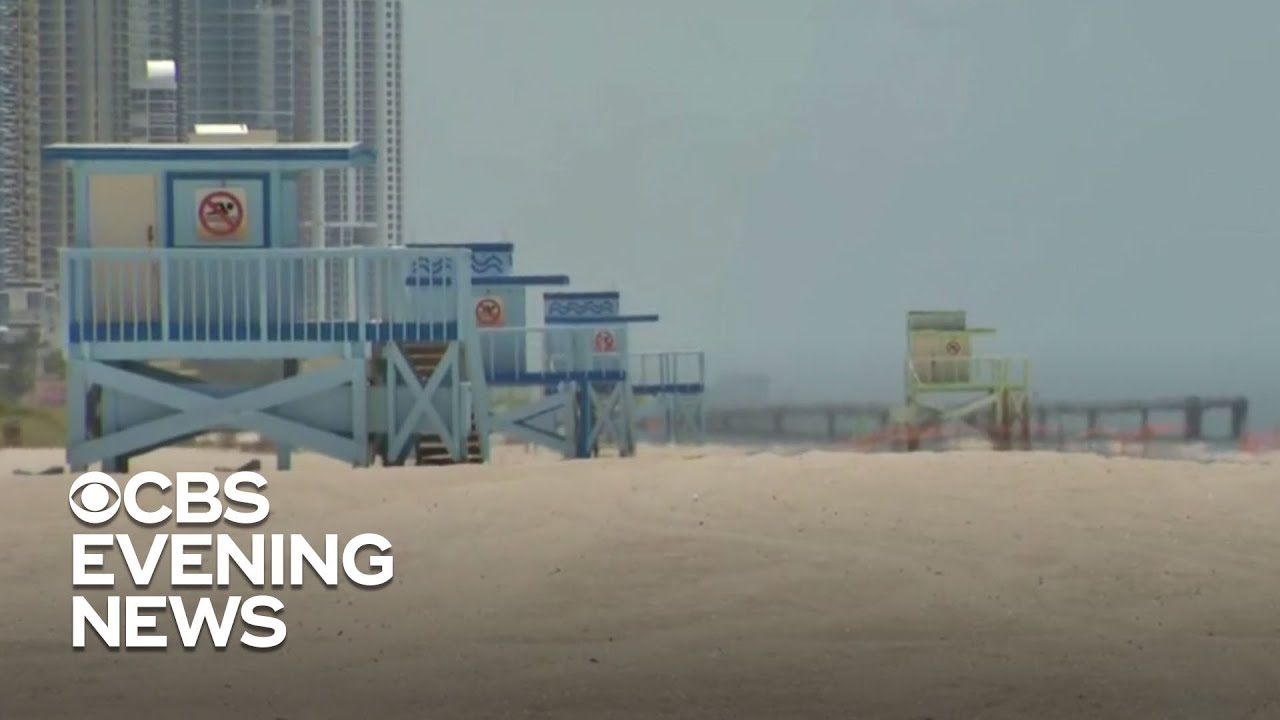
Heading into the 2020 Independence Day weekend, the United States wasn’t in celebration mode — it was in damage control. Confirmed COVID-19 infections hit an all-time high on July 3, and governors up and down both coasts responded by shutting the very things that make the holiday what it is: beaches, bars, parades and fireworks. CBS Evening News national correspondent Janet Shamlian’s report captured a country being asked to sit this one out.
- The U.S. recorded a record 52,300 new coronavirus cases in a single day on July 3, according to Johns Hopkins University data, with case counts rising in 40 states.
- Officials closed beaches across Miami-Dade and Broward counties in South Florida, in Southern California, and along parts of the Texas Gulf Coast, while also shutting bars and canceling municipal parades and fireworks shows.
- President Trump kept his own holiday plans intact, traveling to Mount Rushmore in South Dakota on July 3 ahead of a scheduled National Mall celebration in Washington, D.C.
A Record-Breaking Surge Heading Into the Holiday
The numbers behind this Fourth of July were the worst the pandemic had produced to that point. Johns Hopkins tracked 52,300 new infections nationwide on July 3 alone — a single-day record — with case growth spreading across 40 states rather than staying contained to a handful of hot spots. That climb followed the same pattern southern states had been grappling with for weeks as the virus pushed the national case total past 3.1 million.
Public health officials had a specific fear driving their warnings: a repeat of Memorial Day. That holiday weekend’s crowded gatherings had been widely linked to case spikes in the weeks that followed, and officials didn’t want a second round three days after the Fourth. Their message heading into the weekend was blunt — stay home, and exercise self-control.
Shuttered Shores and Silenced Fireworks
The countermeasures rolled out by governors and local officials went well beyond advisories. World-famous beaches were shut outright, including the sand in Miami-Dade and Broward counties in South Florida — a state that had already shattered the national record for new coronavirus cases just days earlier — along with stretches of the Southern California coastline and parts of the Texas Gulf Coast.
On top of the beach closures, officials mandated masks in public spaces, pushed hand sanitizer use, shut down bars, and scrapped the traditional trappings of the holiday: municipal parades and fireworks displays that normally draw dense crowds.
52,300 new cases in a single day — the highest one-day total the pandemic had produced, recorded on July 3 according to Johns Hopkins University.
The restrictions weren’t uniform nationwide — enforcement varied state to state, consistent with how several states had been imposing stricter coronavirus restrictions as their own infection numbers spiked in the preceding weeks. But the through-line was the same everywhere the virus was climbing fastest: close what draws a crowd, and hope people listen.
Washington’s Different Playbook
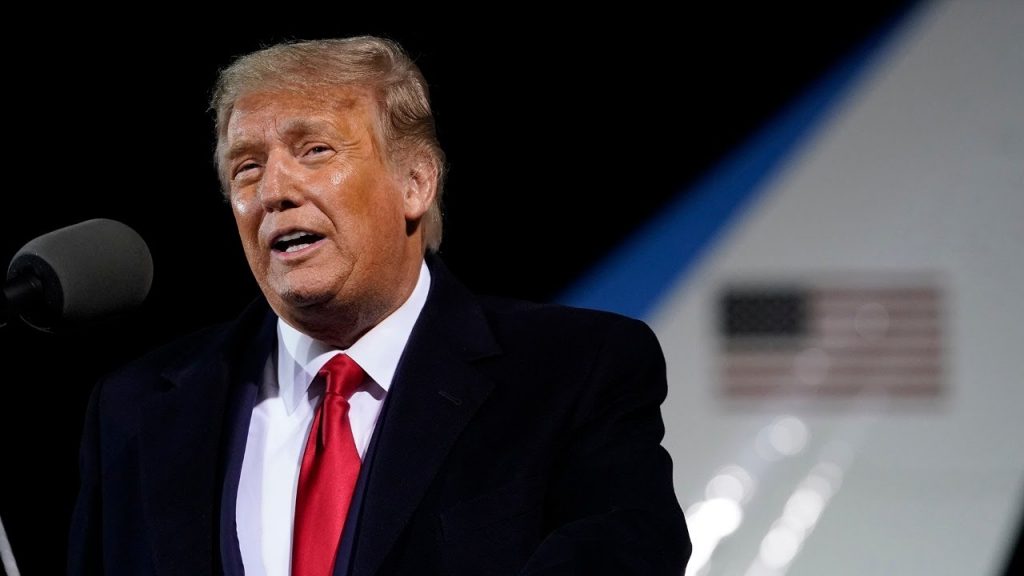
While local and state officials were closing beaches and canceling fireworks, the White House stuck to a bigger stage. President Trump traveled to Mount Rushmore in South Dakota on July 3 for a large-scale event, then had a National Mall celebration in Washington, D.C. still on the schedule — a stark contrast to the restraint being urged everywhere else in the country as case counts climbed in 40 states.
That split screen — shuttered boardwalks in Miami and Los Angeles against packed crowds at Mount Rushmore — became the story of the weekend as much as the case count itself. Whether the National Mall gathering produced its own post-holiday spike was the question hanging over the country heading into the following week, the same way Memorial Day had two months earlier.



This Is a Small Step Between U.S. and China, Says Eurasia Group’s Broderick
There’s A Crisis That Is Quietly Creating New Economic Superpowers…
Fed cuts rates, signaling what’s going on in the global economy
U.S. military official: Iran tested medium-range ballistic missile
Coronavirus deaths rising fast in Europe and US