

 InfoSearched
The pandemic that started in Wuhan was supposed to be the moment the world finally cut the cord on Chinese manufacturing. The economics say otherwise.
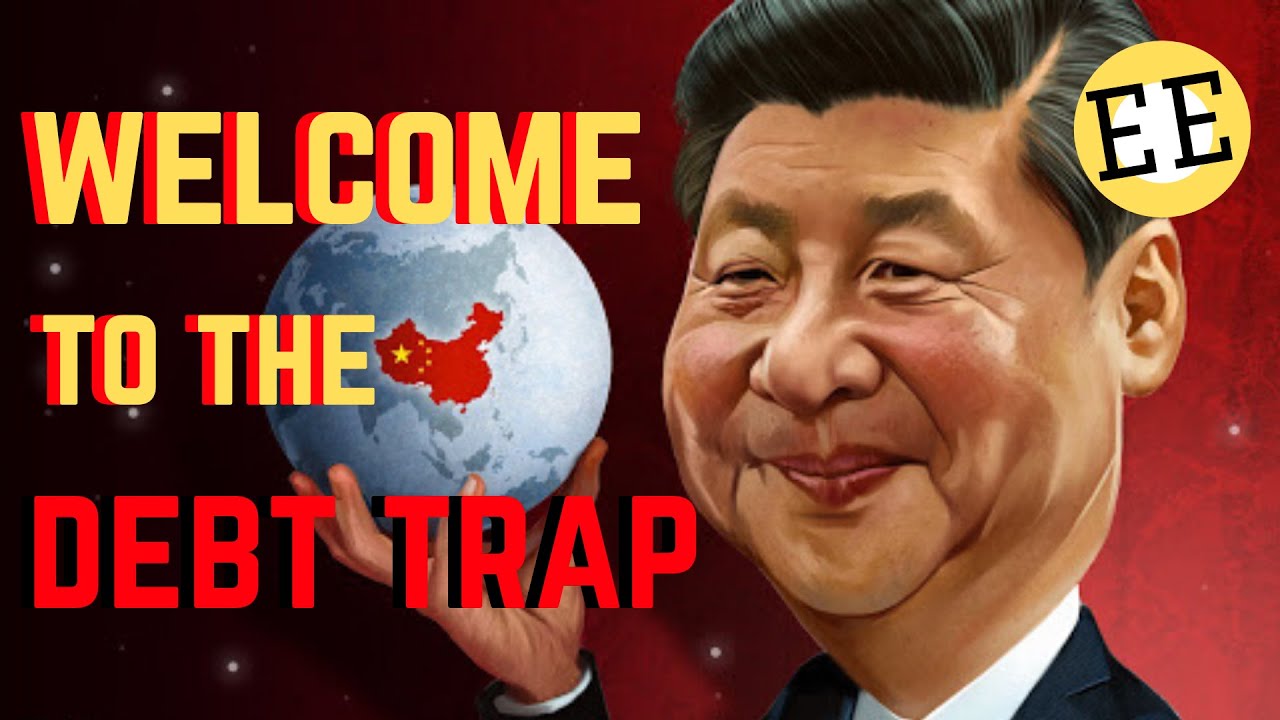
In mid-April 2020, the economics channel Economics Explained published “Why China Will be the Big Winner of the 2020 Crisis,” a rebuttal to the wave of political commentary predicting that COVID-19 would trigger a mass exodus of multinational manufacturing out of China. The video lands at a moment when Hubei’s lockdown and factory shutdowns had already rippled into global shortages of parts and consumer goods, feeding the narrative that Vietnam, India, or Mexico would scoop up the business. The analysis argues that narrative is mostly wishful thinking dressed up as strategy.
- China accounts for roughly 20 percent of global manufacturing trade and has moved well past low-cost assembly into producing the complex intermediate goods and capital equipment that other manufacturers, including rival Asian producers, depend on.
- Predictions of a rapid shift to alternative hubs like Vietnam, India, or Mexico are described in the analysis as economically ungrounded given the scale of the infrastructure and supply-chain investment already sunk into China.
- As Hubei’s factories reopen, China is positioned to keep functioning as the world’s factory precisely as Western economies enter lockdowns and steep contractions.
The Decoupling Narrative Meets Reality
The political case for decoupling is straightforward: if a single province shutting down can choke global supply chains for surgical masks, car parts, and pharmaceutical ingredients, why keep all that manufacturing in one country? The economic case is far messier. Relocating a factory isn’t just moving machinery — it means rebuilding supplier relationships, logistics networks, and workforce training that took decades to assemble in Chinese industrial clusters. The video’s argument is that this kind of unwinding doesn’t happen inside a single crisis cycle, no matter how loud the political rhetoric gets.
Twenty Percent of Everything
China’s roughly 20 percent share of global manufacturing trade understates how embedded it is in modern production. The country no longer just assembles finished goods for export — it makes the intermediate components and capital equipment that other countries’ factories need to make their own products. That means even manufacturers in Vietnam or elsewhere in Southeast Asia, often floated as the obvious beneficiaries of any Chinese exodus, are themselves reliant on Chinese-made inputs to keep their own production lines running.
Moving production out of China isn’t a decision you make in a quarter — it’s undoing a supply chain built over decades, and the alternatives can’t yet match the scale.
The Structural Moats
The analysis lays out why China’s grip on manufacturing is more durable than headlines about “supply chain diversification” suggest. World-class ports, high-speed rail, and tightly integrated industrial clusters give Chinese manufacturers logistical advantages that take years to replicate elsewhere. Add in economies of scale that smaller alternative hubs simply can’t match yet, plus a domestic consumer market large enough that foreign firms have strong incentive to keep production onshore just to serve local demand, and the case for staying put outweighs the case for leaving — even after a crisis that exposed real vulnerabilities.
Reopening While the West Shuts Down
Timing matters here. As China moved to reopen its factories following its initial containment measures, Western economies were heading the other way, into widespread lockdowns and severe contractions. That divergence, according to the analysis, is what actually determines who comes out ahead economically — not political intentions about where supply chains should ideally sit, but which country’s factories are physically running when global demand starts to recover. On that measure, China’s head start looks less like an accident and more like leverage.
The video’s broader argument connects to a wider conversation InfoSearched has tracked about companies and workers reassessing their relationship with China during this period — including firsthand accounts like Why I left China for Good! — even as the underlying manufacturing economics described here cut against the idea of a quick, clean break. It also sits alongside the Trump administration’s separate moves on China-related trade policy, such as the decision detailed in Trump signs executive order to end preferential treatment for Hong Kong, which reflect the political pressure building even as the economic incentives to stay pull the other way.
The real test isn’t a speech or a tariff announcement — it’s whether Hubei’s reopened factories can fill orders faster than Vietnam or Mexico can build the capacity to compete for them. Right now, with American and European plants sitting idle under lockdown, China doesn’t need to win an argument about decoupling. It just needs to keep the lines running.






CHOP Seattle ENDED After Protesters Visit Mayor’s House!
U.S. pays Pfizer, BioNTech $2 bln for vaccines
Coronavirus: When your child’s in intensive care with Covid-19
Pelosi Unveils $2.5 Trillion Virus Stimulus Plan
Florida shatters national record for new coronavirus cases