

 InfoSearched
Italy became the first country outside China to lock down an entire nation of 60 million people.
Prime Minister Giuseppe Conte’s decree, announced the evening of March 9 and effective nationwide March 10, closed schools, banned public gatherings, and told citizens to justify any trip outside their town with a signed self-certification form. NBC Nightly News anchor Lester Holt and correspondent Claudio Lavanga, reporting from Rome, found the piazzas of Milan, Venice, Rome and Naples emptied out as police began checkpoints on the roads. The order came as Italy’s death toll passed 460 and confirmed infections topped 9,000, overwhelming intensive care units in the north.
- Conte’s decree, summarized by the phrase “Io resto a casa” (“I stay at home”), expanded lockdown rules from Lombardy and other northern regions to all of Italy starting March 10.
- Violators of travel restrictions faced fines or up to three months in prison, with police enforcing a mandatory one-meter (roughly three-foot) distance between people in public.
- Serie A matches, weddings, funerals and all public ceremonies were suspended; bars and restaurants could only operate from 6 a.m. to 6 p.m. under strict spacing rules.
The Decree and Its Reach
Until March 9, Italy’s toughest restrictions had been confined to Lombardy and a handful of northern provinces, the epicenter of Europe’s outbreak. Conte’s announcement erased that line on the map, placing every one of Italy’s roughly 60 million residents under the same rules overnight. The government framed the move as necessary to keep the contagion from spreading faster than hospitals could absorb it, given that Italy was already the hardest-hit country outside China.
The self-certification requirement became the defining feature of daily life almost immediately. Anyone stopped by police had to produce a signed document explaining why they were away from home — citing work necessity, a medical need, or another documented emergency. Officers set up checkpoints on highways and at city entrances to check paperwork, and Conte’s government made clear that noncompliance would carry real legal consequences rather than a warning.
Io resto a casa.
Empty Streets, Closed Storefronts
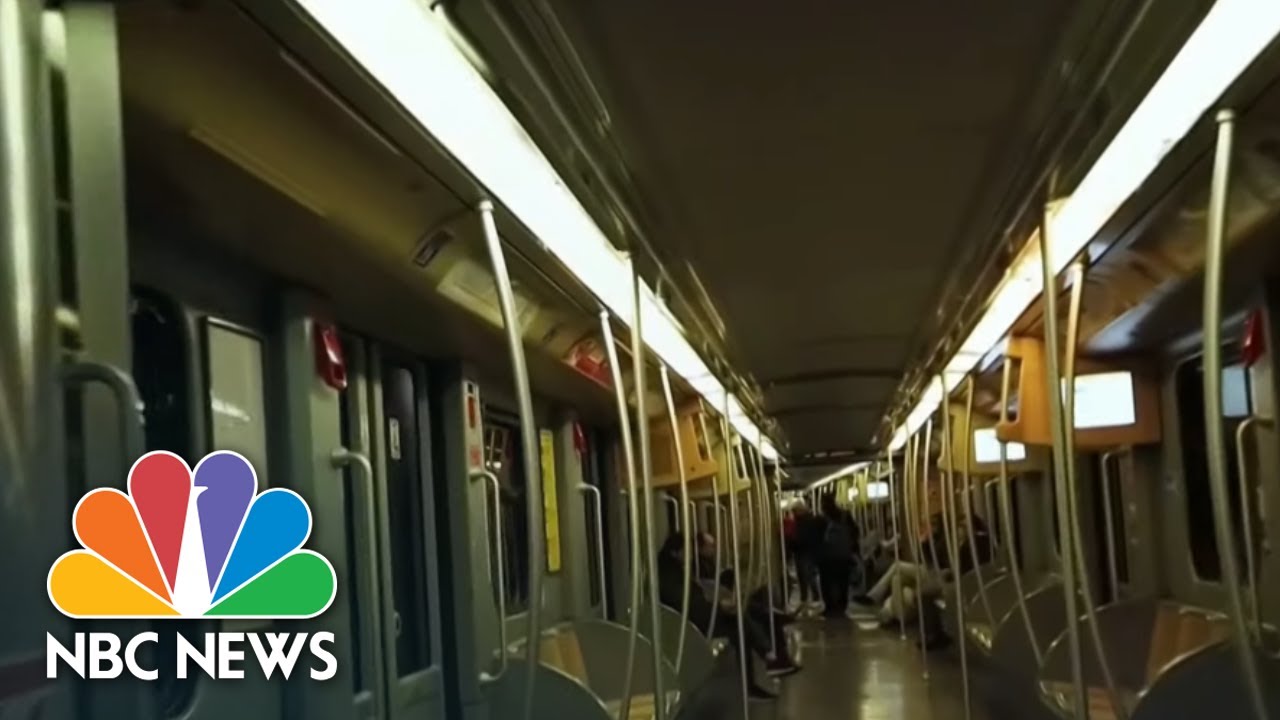
Lavanga’s reporting captured the visual shock of the lockdown: the Spanish Steps and the streets around the Colosseum in Rome nearly deserted, Venice’s canals without gondola traffic, Milan’s usually packed financial district reduced to a handful of pedestrians. Schools and universities, already closed in the north, extended their shutdown countrywide. Museums and tourist sites went dark. Bars and restaurants that stayed open were confined to daytime hours and required to enforce distancing between customers, but nearly every other category of commercial activity faced the prospect of a total shutdown in the days ahead.
Sports and public ceremonies were among the first casualties. Serie A games were suspended outright, along with weddings, funerals and any other event that drew people together in numbers. For a country whose culture runs on cafes, piazzas and crowded family gatherings, the decree amounted to a wholesale suspension of ordinary life rather than a targeted health measure.
A Health System Already Strained
The lockdown followed weeks of mounting numbers that had made Italy the worst-affected country outside China: more than 460 deaths and over 9,000 confirmed cases by March 9-10. Intensive care units in Lombardy and the surrounding region had been filling faster than doctors could discharge patients, and the trajectory of new infections gave Conte’s government little room to wait. The nationwide order was, in effect, an attempt to buy hospitals time before the case count climbed further — a dynamic later modeled and tracked in coverage such as reports on projected death-toll trajectories in outbreaks like this one.
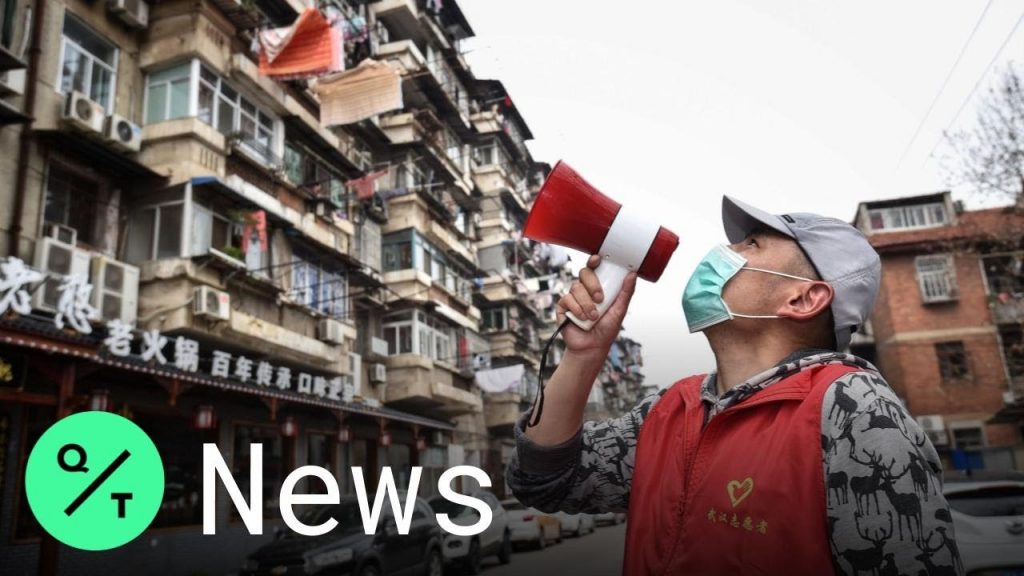
Italy’s experience also arrived as a preview of what other governments were bracing for. Reports out of China earlier in the outbreak had already shown what extended isolation could do to daily life in a locked-down city, and Italy’s decision to apply similar measures at national scale signaled that European governments were no longer treating the virus as a containable, regional problem.
Enforcement in the First 48 Hours
Police visibility on the streets increased sharply once the decree took hold. Checkpoints appeared on roads leading out of towns, and officers began stopping cars and pedestrians to review self-certification forms. The threat of a criminal penalty — up to three months in prison for false statements or unjustified travel — gave the order teeth that voluntary guidance in other countries had so far lacked. Whether Italians nationwide would comply as thoroughly as those already living under regional restrictions in Lombardy was still an open question as the first full day of the lockdown began.
With over 9,000 cases and climbing, Conte’s government left itself little choice but to escalate again if the numbers kept moving in the wrong direction — and Italy’s next moves, more than any other country’s, were about to become the test case the rest of Europe would be watching.


Why I left China for Good!
Belarus PM replaces Lukashenko at ceremony, sparks speculation
Senate blocks two anti-abortion bills as reproductive rights battle heats up
Florida shatters national record for new coronavirus cases
12-Year-Old Boy and 14-Year-Old Girl Have Shootout With Cops