

 InfoSearched
Two days of talks in Shanghai ended with a photo op, an early flight home, and not much else.
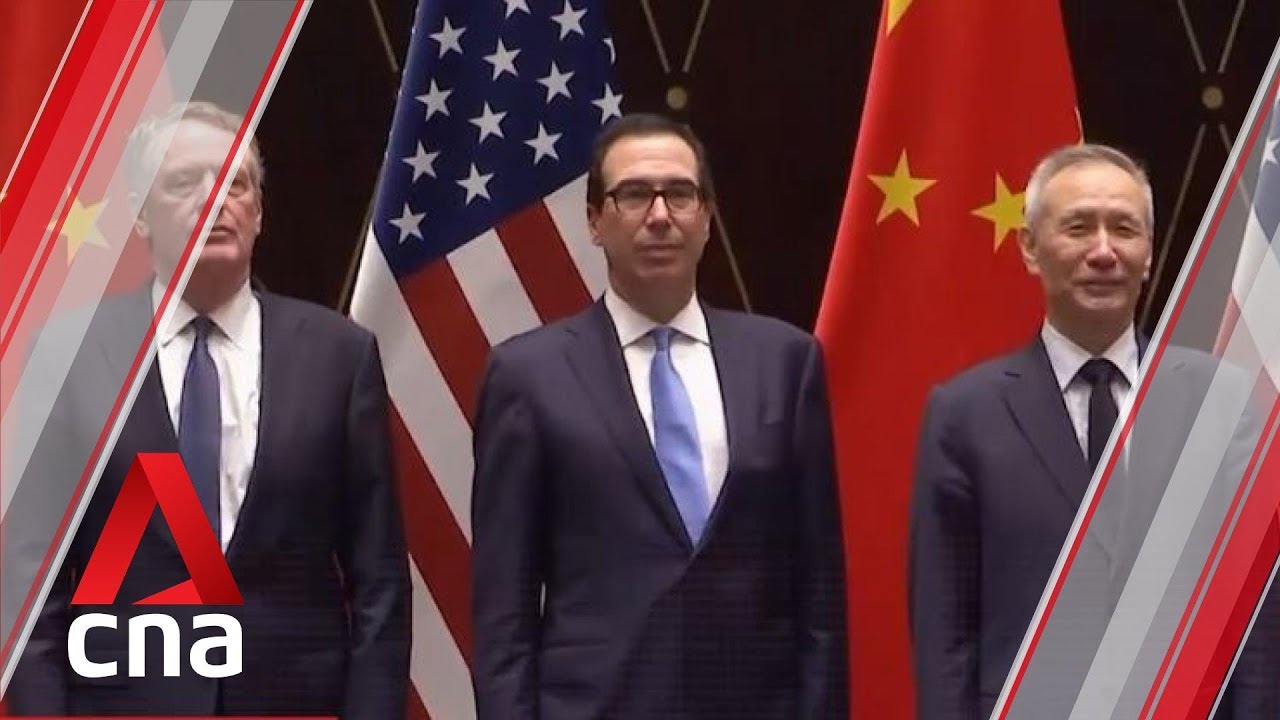
U.S. and Chinese negotiators wrapped up their first face-to-face trade talks in nearly three months on July 31, 2019, meeting at Shanghai’s historic Xijiao State Guest Hotel. The closed-door session ran roughly four hours — shorter than expected — before U.S. Trade Representative Robert Lighthizer and Treasury Secretary Steven Mnuchin posed for photos with Chinese Vice Premier Liu He and Commerce Minister Zhong Shan and headed straight for the airport. No breakthrough followed them out the door.
- The Shanghai meeting was the first in-person round since talks collapsed in early May, and it ended in about four hours with no major public breakthroughs.
- President Trump fired off a series of tweets as the talks began, accusing China of stalling and failing to follow through on promised purchases of American agricultural goods.
- China’s Foreign Ministry spokesperson Hua Chunying accused Washington of flip-flopping, calling it “nonsensical” for the U.S. to play the victim while pressuring Beijing with maximum-pressure tactics.
A Short Meeting With Long-Standing Problems
Both delegations arrived hoping for modest goodwill gestures rather than a grand bargain — Chinese purchases of American farm commodities in exchange for U.S. regulatory relief on Huawei. Instead, negotiators left Shanghai with the core disputes untouched: existing tariffs stayed in place, structural reforms to China’s economy went undiscussed in any binding way, and the two sides still have no enforcement mechanism to guarantee either party keeps its word. That last point has haunted the talks since the previous round fell apart in May, when Washington accused Beijing of backing away from commitments it had already made on paper.
Trump’s Tweets Collide With the Talks
The optics were rough from the start. Just as officials sat down in Shanghai, Trump used Twitter to accuse China of dragging its feet and reneging on pledges to buy more U.S. agricultural products — the same complaint that has dogged this round of diplomacy since the truce reached at the G20 in Osaka. It set an adversarial tone before Lighthizer and Mnuchin had even finished their opening remarks with Liu He.
Beijing Fires Back
China’s Foreign Ministry didn’t let the tweets go unanswered. Spokesperson Hua Chunying told reporters in Beijing on July 31 that Washington was flip-flopping on its own commitments and painting itself as the aggrieved party while squeezing China with pressure tactics.
It was nonsensical for the U.S. to play the victim while trying to pressure Beijing through maximum-pressure tactics, Hua Chunying said.
The rhetoric echoes a pattern that’s defined the standoff since Washington first moved to end preferential trade treatment tied to disputes over intellectual property and market access — a fight that has since spilled into related fronts, including Trump’s executive order ending preferential treatment for Hong Kong, part of a broader hardening of U.S. policy toward Beijing that has run parallel to the tariff fight.
Tariffs, Huawei, and What’s Actually on the Table
Strip away the sniping and the mechanics of the dispute haven’t moved much since May: Washington wants China to commit to real structural changes and an enforcement mechanism it can point to if Beijing backslides, while Beijing wants the existing tariffs lifted before it makes further concessions. The Huawei question — how much relief U.S. regulators give the company in exchange for Chinese agricultural purchases — was supposed to be the easy win in Shanghai. It wasn’t resolved either.
Anyone who has watched Americans doing business on the ground in China during this stretch has heard the same frustration voiced privately for months, a sentiment captured in accounts like one businessman’s decision to leave China for good amid the uncertainty the trade war has created for companies operating in both directions.
Neither side set a firm date for the next round when the U.S. delegation left Shanghai. With tariffs still sitting on hundreds of billions of dollars in goods on both sides of the Pacific, and Trump’s tweets doing as much to shape the narrative as anything said across the table, the next real test comes whenever Lighthizer and Liu He agree to sit down again — and whether either side shows up with something more than a photo opportunity.

Tucker: Big Tech censors dissent over coronavirus lockdowns
Arrests Made For School Shooting Threats In Oklahoma, California | NBC Nightly News
Fareed Zakaria: Boris Johnson is bad for Britain, Europe and the US
GOP Senators Sold Stock After Secret Coronavirus Briefing
Greyhound to ban immigration checks on buses without warrant