

 InfoSearched
For 1.6 billion workers, the lockdown didn’t just close the office — it cut off their next meal.
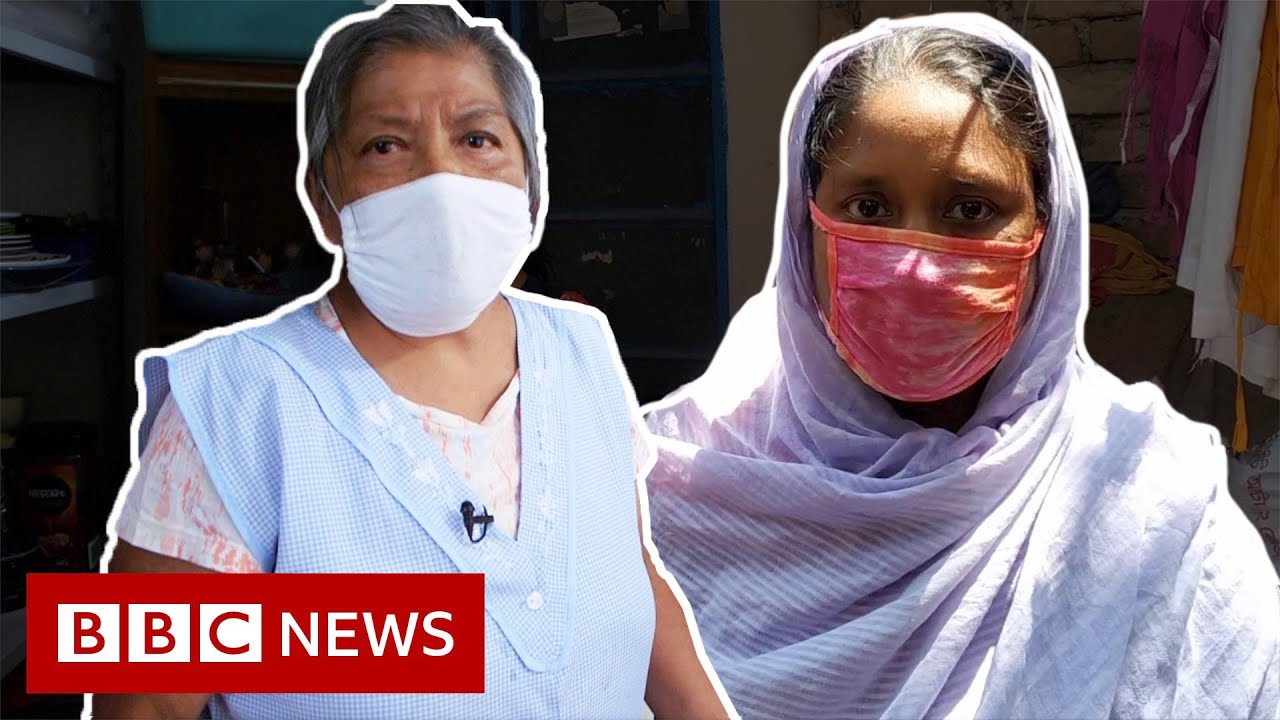
Half the global workforce earns its living day by day, with no salary, no savings and no safety net. When governments across the world ordered people to stay home to slow COVID-19, that income vanished overnight for hundreds of millions of them. The BBC’s population reporter Stephanie Hegarty, in a report edited by Yousef Eldin, tracked down four of those workers to hear, in their own words, what happens when the money simply stops.
- The International Labour Organisation warns that roughly 1.6 billion informal and daily-wage workers — nearly half the global workforce — face immediate loss of livelihood because of pandemic lockdowns.
- Rosa and her daughter, domestic cleaners, were fired without pay as their lockdown entered its second month and now face eviction.
- Prasanna, an informal earner unable to stockpile food, is cut off from local markets and has no government aid, leaving her dependent on friends who are themselves poor.
A Workforce With No Cushion
The ILO’s figure — 1.6 billion people — is not a projection of layoffs down the line. It describes workers who were earning money in the morning and had none by the afternoon once lockdown orders took hold. These are street vendors, domestic staff, day labourers and market traders who are paid in cash for work done that day, with nothing set aside for a week without customers, let alone a month.
Hegarty’s report makes the point through people rather than statistics. Rosa and her daughter cleaned houses for a living until the lockdown hit; their employers stopped calling, and with no pay coming in, they are now staring at eviction as their country’s stay-home order runs into its second month. There is no severance, no furlough scheme, no unemployment check waiting for them.
No Food, No Market, No Aid
Prasanna’s account captures the second layer of the crisis: even those who wanted to prepare couldn’t. Daily earners live paycheck to paycheck by definition, so when the lockdown was announced there was no window to stockpile rice or lentils before markets closed or restrictions took hold. Cut off from the markets she once relied on and with no government assistance reaching her, she has been forced to lean on friends who have little themselves.
“We’ll starve to death if this continues.”
That line, which gives the BBC report its title, is not rhetorical flourish — it’s the plain calculation facing families with no income, no food reserves and no aid pipeline reaching their street. The same bind is playing out in other countries hit hard by the virus, where rural communities already stretched thin by the pandemic have even less capacity to absorb a total loss of daily income.
Fleeing the City to Grow Food
One woman featured in the report chose a different survival strategy entirely: she left the city. With her urban income gone and no way to feed herself where she was, she returned to her family’s village to farm, betting that growing her own food was more reliable than waiting on relief that wasn’t arriving. It’s the same logic driving similar accounts around the world where livelihoods tied to land and harvest are under direct threat — when the cash economy freezes, people fall back on subsistence.
What links all four accounts is the same failure point: emergency relief programmes exist on paper, but bureaucratic delays and distribution gaps mean the money and food aren’t reaching the people who need them fastest. For workers with no bank account, no formal employer and no paperwork trail, government assistance is often designed for a workforce they don’t belong to.
An Impossible Choice
Strip away the policy language and the dilemma facing these workers is brutally simple: obey the lockdown and risk starvation, or break it and risk the virus — and possibly arrest. Rosa’s eviction notice doesn’t pause because there’s a pandemic. Prasanna’s hunger doesn’t wait for aid distribution to catch up. That’s the calculation the ILO’s 1.6 billion figure actually represents, one household at a time.







Trump continues to put pressure on the Fed to lower rates
NYPD precinct commander quits in protest over lack of support from officials
Georgia governor plans to reopen the state’s economy despite controversy
Hoover Dam reservoir hits alarming record low
Has Congress Lost its Mind? $2,000 Stimulus vs War with Korea