

 InfoSearched
A leading HIV researcher just gave America a firsthand account of what COVID-19 actually feels like once it turns.
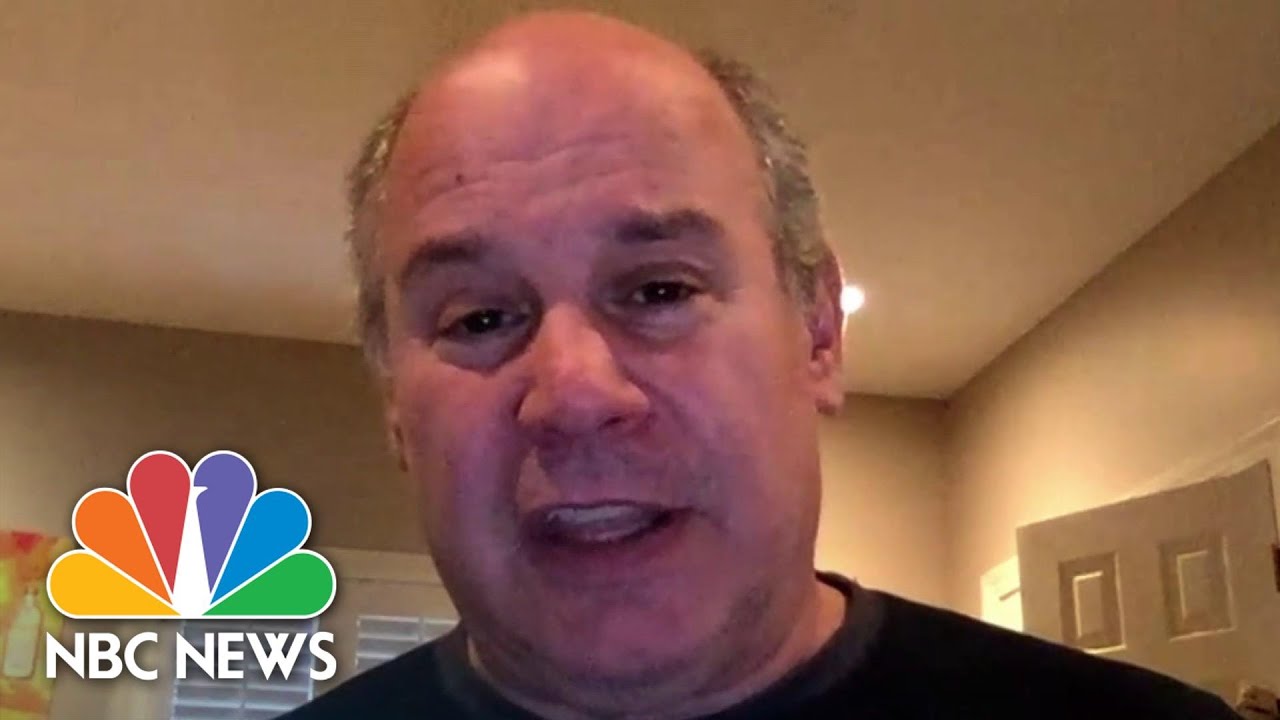
Dr. Michael Saag has spent decades on the front lines of infectious disease research at the University of Alabama at Birmingham, building his reputation on pioneering HIV/AIDS work. In mid-March 2020, he and his son both tested positive for the novel coronavirus. In an interview published by NBC News on March 23, Saag walked through his own case day by day — and described a turn so sudden that even a specialist in his field called it jarring.
- Dr. Michael Saag, an infectious disease specialist at UAB known for his HIV/AIDS research, contracted COVID-19 alongside his son in mid-March 2020.
- His symptoms started mild — fatigue, cough, headache, brain fog, and loss of smell — before escalating sharply around day six.
- Saag described the turn as “a horrible feeling” marked by recurring fever, severe chills, cognitive difficulty, and “pain everywhere.”
From Mild to Debilitating
Saag told NBC News his illness didn’t announce itself as anything alarming at first. The early days brought fatigue, a nagging cough, headache, a foggy inability to concentrate, and a loss of smell — symptoms that, on their own, could just as easily point to a bad cold. He kept working through them, monitoring his own condition the way any physician would with a patient.
That changed around day six. What had been manageable discomfort gave way to a full-body assault: fever that kept coming back, chills severe enough to be memorable, and muscle aches he described as covering him head to toe. Saag put it plainly to NBC News.
Pain everywhere.
He characterized the shift itself as “a horrible feeling” — not just the intensity of the symptoms, but the speed with which his body went from functional to flattened.
A Clinician’s View From Inside the Illness
What makes Saag’s account distinct is that he wasn’t just describing symptoms as a patient — he was interpreting them as a researcher who understands exactly what’s happening at a cellular level while it’s happening to him. That dual vantage point is part of why his interview carried weight beyond a typical patient testimonial: a man who has spent his career studying how viruses attack the body was now cataloguing the attack in real time, on himself and his son.
Saag’s case landed in the news cycle right as public health officials were pushing hard on messaging about the virus’s unpredictable severity curve — the idea that a mild first week offers no guarantee about the second. His experience became a data point clinicians and reporters alike pointed to when explaining why isolation and monitoring mattered even for cases that started out looking manageable.
Part of a Wider Pattern in Late March 2020
Saag’s account arrived amid a broader wave of firsthand testimony from Americans navigating COVID-19 as case counts climbed nationwide, with hospitals and public officials still working out how to message risk to a public that hadn’t yet seen the disease up close. Stories like his — specific, personal, and delivered by someone with the credentials to explain what was medically happening — carried more weight than case-count charts alone, especially as debates intensified over how schools and other institutions should respond to the spreading outbreak.
His willingness to go public with his own diagnosis also fit into a moment when health officials, including Dr. Anthony Fauci, were trying to get ahead of public confusion about the virus’s behavior. A UAB researcher describing his own descent into “pain everywhere” did more to convey that urgency than another slide of projected case numbers ever could.
Saag didn’t give NBC News a prognosis or a timeline for when he expected to recover — the interview was a snapshot of a case still unfolding, six days deep into a fever that kept coming back. For a virus barely three months into upending American life, that kind of unfiltered, credentialed account of what it actually feels like was, at the time, still rare.





US-born high school student detained for weeks by CBP
U.S. Soccer says women’s team was paid more than men
Biden and Sanders face off in first one-on-one debate
Sen. Klobuchar On Election Security Legislation, Taking On Trump At Debates
Investors Split on the State of the U.S. Economy