

 InfoSearched
Global Disagreement Over Universal Masking
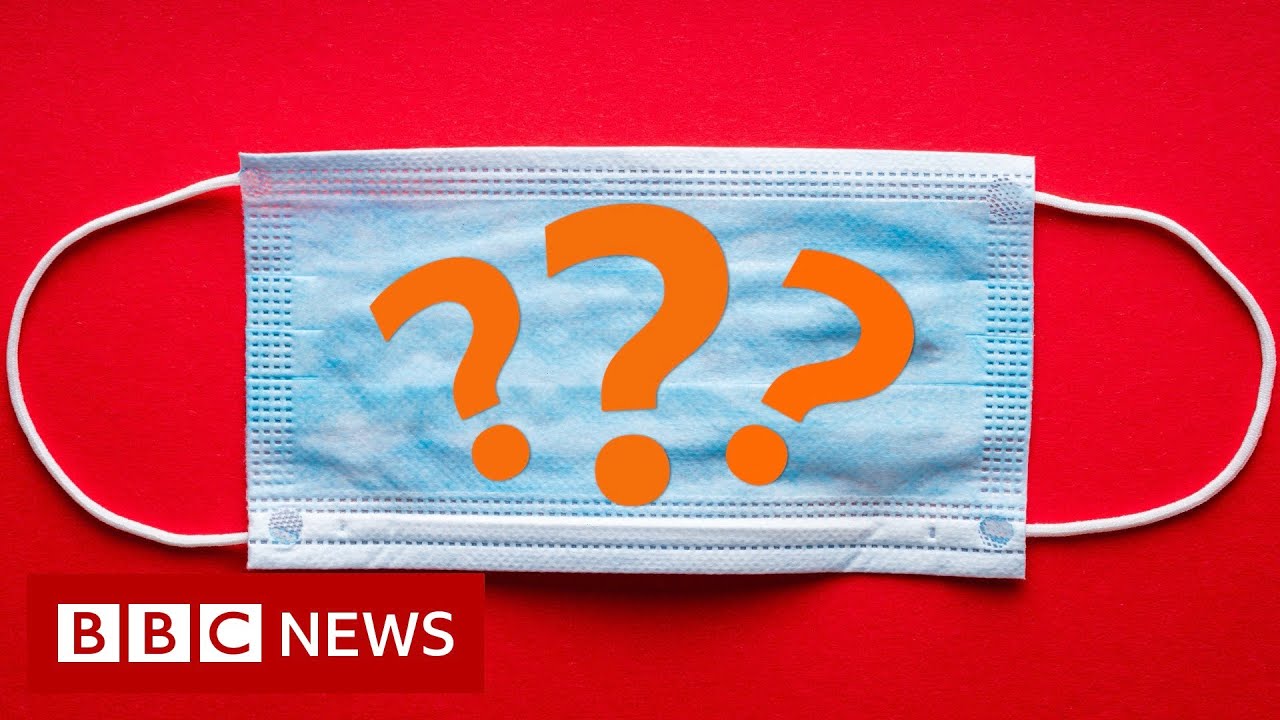
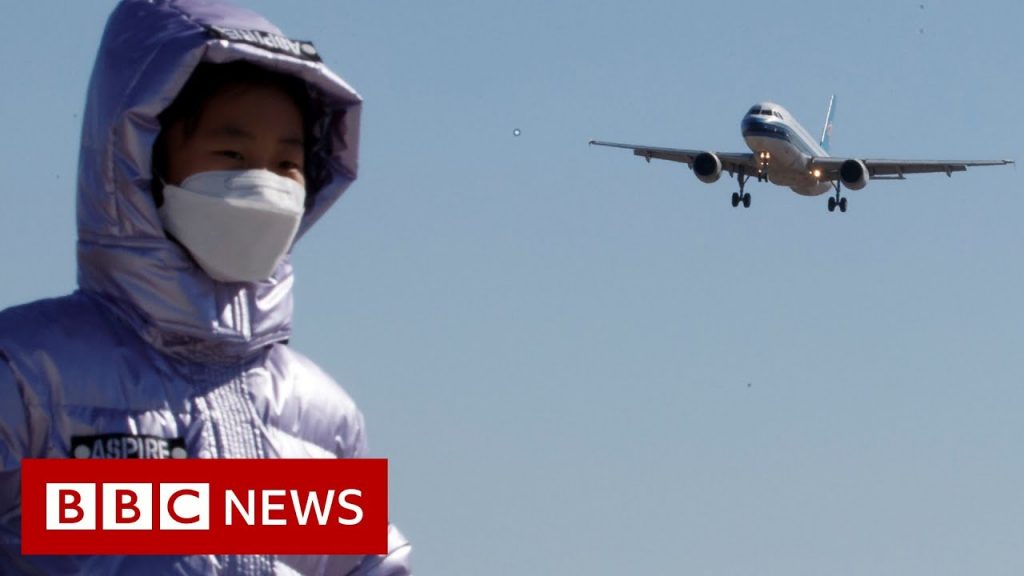
BBC health reporter Laura Foster tackled that exact confusion in a report published April 15, 2020, laying out why the World Health Organization, national governments and frontline doctors were all giving the public different answers. The disagreement wasn’t really about masks working or not working — it was about who needs them most, and why the evidence on ordinary people wearing them was still so thin.
- The WHO and the UK’s Deputy Chief Medical Officer said healthy members of the public did not need medical face masks, arguing supplies of surgical masks and N95 respirators had to go to healthcare workers first.
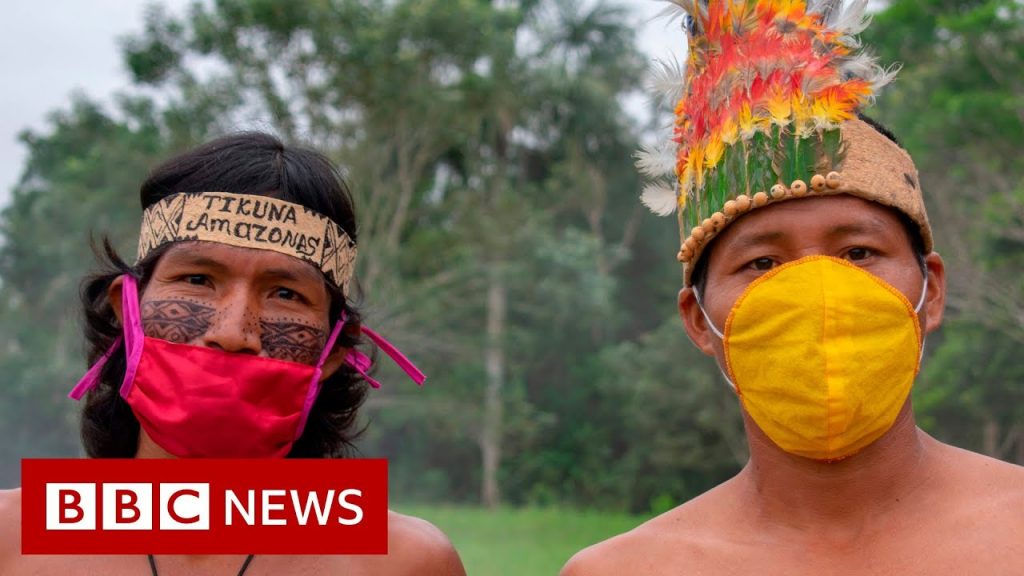
- The US CDC and several other governments reversed course in early April 2020, telling citizens to wear non-medical cloth face coverings in public.
- The core argument for masking the general public was “source control” — stopping infected people, including those with no symptoms yet, from spreading droplets to others.
Two Camps, One Virus
On one side sat the WHO’s long-held position: masks are a tool for the sick and for the people treating them, not blanket protection for anyone healthy standing in line at the supermarket. Officials warned that a poorly fitted mask offered limited self-protection and could actually backfire by giving people a false sense of security — leading them to relax on the basics, like washing hands and keeping distance from others.
On the other side, governments moving fast in early April 2020 leaned into a different piece of the same science. As evidence mounted that people without symptoms — or not yet showing them — could still pass the virus on, the CDC and other health bodies pivoted to recommending cloth coverings for everyone in public, reasoning that even an imperfect mask worn by millions of infected-but-unaware people would cut transmission at the population level.
Masks can only work as one layer of protection — not a replacement for handwashing and distancing, but a way to stop droplets travelling from an infected person to someone else.
Medical-Grade PPE Versus Cloth Coverings
The report draws a hard line between two categories that were getting blurred in public conversation. Surgical masks and N95 respirators are built and tested to filter out fine particles and protect the wearer directly — which is exactly why the WHO wanted them reserved for doctors, nurses and other frontline staff facing the highest viral loads. Homemade or store-bought cloth coverings do something different: they’re aimed at trapping droplets on the way out, not filtering everything coming in.
That distinction is why several governments told citizens to sew their own rather than compete with hospitals for surgical stock. It’s also why misuse matters so much — touching the front of a mask, pulling it below the nose, or reusing a damp cloth covering without washing it can turn the mask itself into a source of contamination on your hands and face.
Asymptomatic Transmission Alters Public Policy
Early in the outbreak, guidance assumed you’d know if you were sick and could isolate accordingly. By April, growing evidence of pre-symptomatic and asymptomatic transmission undercut that assumption entirely — a person could feel fine, go to the shop, and still be shedding virus. That single shift is what pushed the CDC and other bodies toward recommending coverings for everyone, not just the visibly unwell, since there was no longer a reliable way to know who might be contagious in a given room.
The debate over masks sat alongside a wider set of contested public health calls in that first wave of the pandemic — from school closures to stay-at-home orders — that governments were making with incomplete data and shifting evidence, a pattern documented elsewhere in coverage of how schools weighed reopening risks and how the restrictions kept tightening as case counts moved.
Foster’s report doesn’t pretend the argument was settled by mid-April — it wasn’t. What it does is explain, calmly, why two respected health bodies could look at the same virus and land in different places: one guarding a scarce medical supply, the other trying to slow spread among people who don’t even know they’re carrying it.

Hoover Dam reservoir hits alarming record low
CNN reporter describes ‘chaos’ as riot police charge protesters
Where Is Kim Jong-un? How Experts Track North Korea’s Leader
Health care workers say they’ve been told to keep silent on hazardous conditions
Coronavirus: Russia now has second highest virus case total