

 InfoSearched
A frontline doctor in Austin decided the answer to coronavirus panic wasn’t another headline — it was a stethoscope and a webcam.
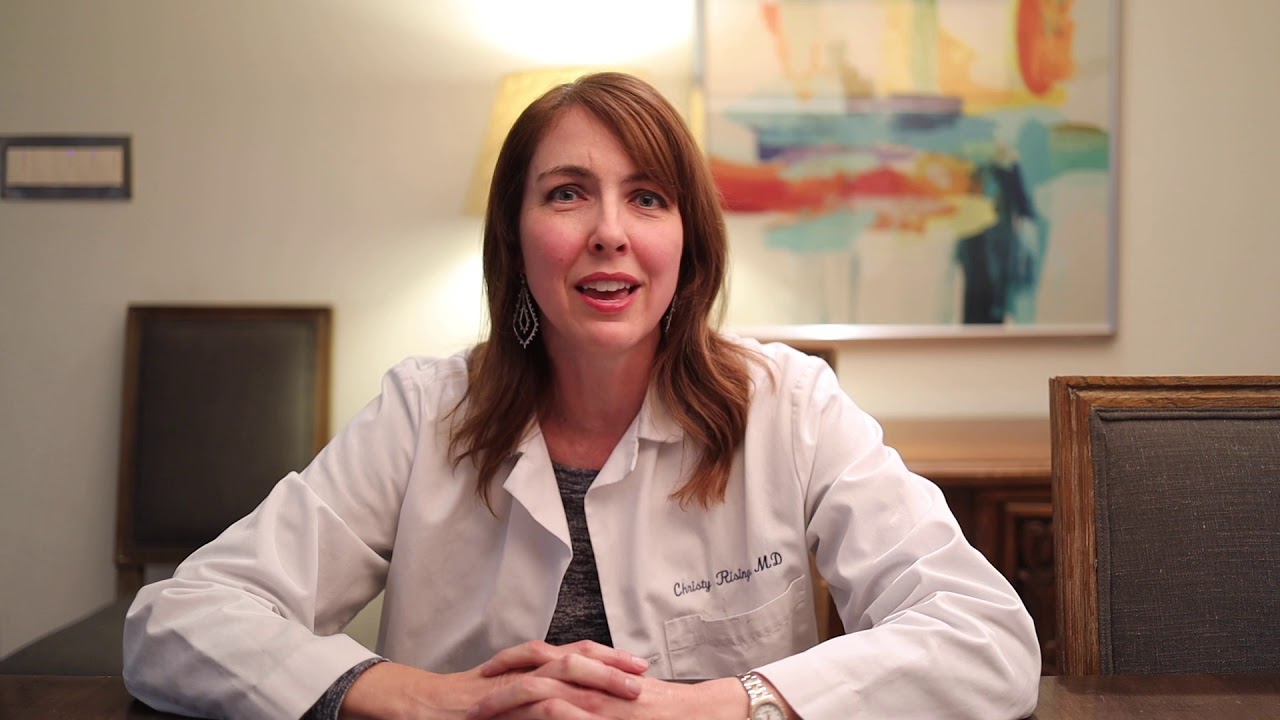
In mid-March 2020, as testing kits remained scarce and emergency rooms filled with anxious patients who couldn’t tell a cold from something worse, Dr. Christy Risinger, an internal medicine physician practicing at Ascension Medical Group Seton in Austin, Texas, uploaded a video titled “COVID-19 – An Easy Way to Know You DON’T HAVE IT!” It became one of the first entries on her new YouTube channel, launched specifically to give the public plain clinical guidance instead of speculation. The timing mattered: this was the same stretch of days when the country was watching case counts climb and wondering whether every cough meant a trip to the ER.
- Dr. Christy Risinger, a graduate of Georgetown University School of Medicine who completed her residency in Portland, Oregon, launched her educational channel in mid-March 2020 to counter fear and misinformation about the new virus.
- The video breaks down how to tell COVID-19 apart from allergies, the common cold, and influenza — the exact confusion driving unnecessary ER visits at the time.
- She also covers the clinical criteria that determined who actually qualified for a coronavirus test under the tight, supply-limited guidelines then in place, plus the expected day-by-day progression of the illness for anyone who did contract it.
Sorting Symptoms From Panic
Risinger’s core pitch in the video is diagnostic triage anyone can do at home before ever calling a doctor’s office. She walks through the symptom clusters that separate seasonal allergies and a garden-variety cold from what clinicians were flagging as classic early COVID-19 presentation — fever, dry cough, and body aches without the sneezing and itchy eyes typical of allergy season. That distinction had real stakes in March 2020, when reports out of China and Italy were already showing how fast case counts could spiral once testing and hospital capacity got overwhelmed.
She also lays out the precautions patients could take at home immediately — separate from any test result — to limit spread while symptoms were still being sorted out. For a primary care doctor watching her own waiting room fill with worried patients, walking through this on camera was as much triage as it was reassurance.
Eligibility Criteria for Testing
One of the most practical parts of the video addresses a question nearly every American was asking that week: could they even get tested. Risinger explains the clinical criteria doctors were using under the then-tight diagnostic guidelines, which prioritized patients with specific exposure histories or more severe symptom combinations over anyone simply feeling under the weather. That scarcity is the backdrop for the video’s entire premise — if you couldn’t get a test, you needed another way to gauge your risk.
An easy way to know you don’t have it — no test required, just a doctor walking through what your body is actually telling you.
Daily Progression of Symptoms
Risinger closes out the video by mapping the expected progression of COVID-19 for someone who does contract it, giving viewers a realistic timeline instead of worst-case guesswork. That kind of day-by-day framing was rare in early pandemic coverage, which tended to focus on national case totals rather than what an individual patient should actually expect at home.
Building a Clinical Communication Platform
The video became the foundation for what Risinger described as a commitment to lean on emerging medical studies and expert consensus rather than speculation. She followed it with additional videos on immune health, reinfection risk, and the thresholds that should send someone to the emergency room — a body of work that grew directly out of this first upload’s premise of clear, testable guidance over blanket fear.
Risinger’s channel kept expanding through the spring as the guidance around masks, testing capacity, and hospital protocols kept shifting week to week — the same instability that would later push officials at the White House to change their own mask policy after staff members tested positive. For a physician who started with one video trying to talk a scared public off the ledge, that’s the throughline: keep giving people something concrete to check against, one update at a time.




President Trump Says He’s Halting Payments to WHO
Tracking the coronavirus origins
Warning: Why Small Business Bailouts could Lead to Mass Bankruptcies
What Ohio Voters Want In The 2020 Election
World leaders meet in Vienna to salvage Iran nuclear deal