

 InfoSearched
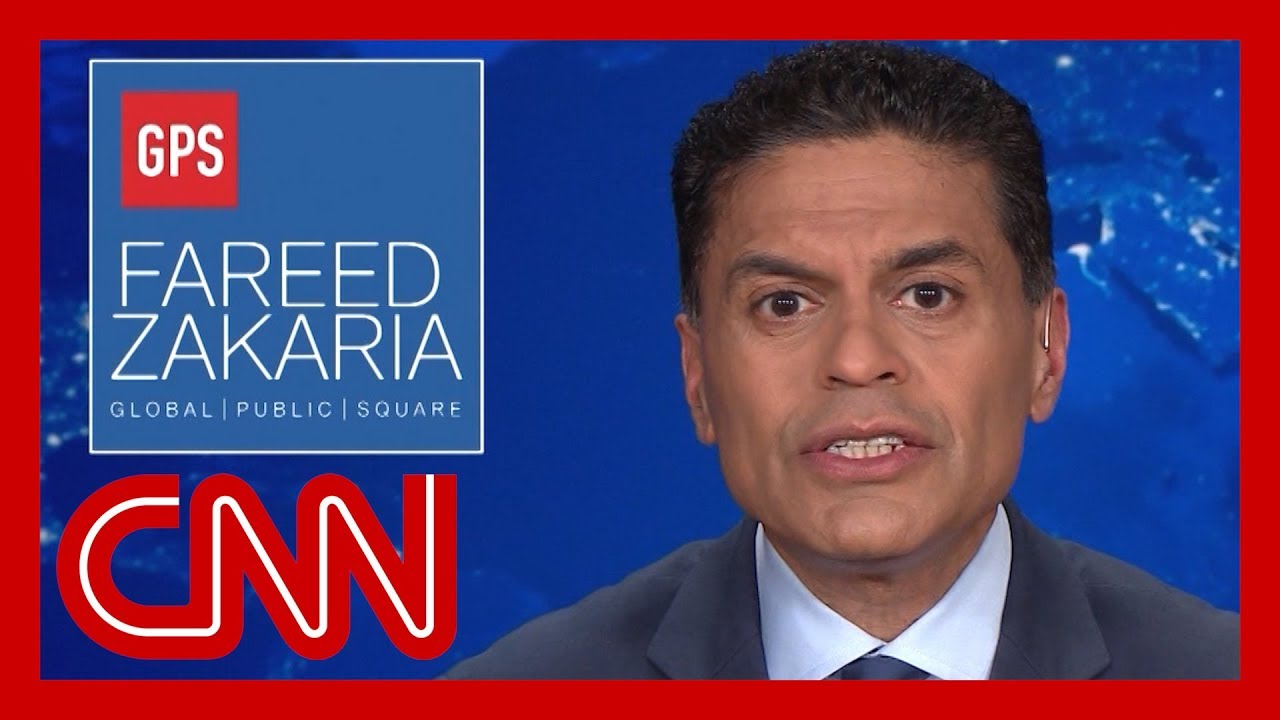
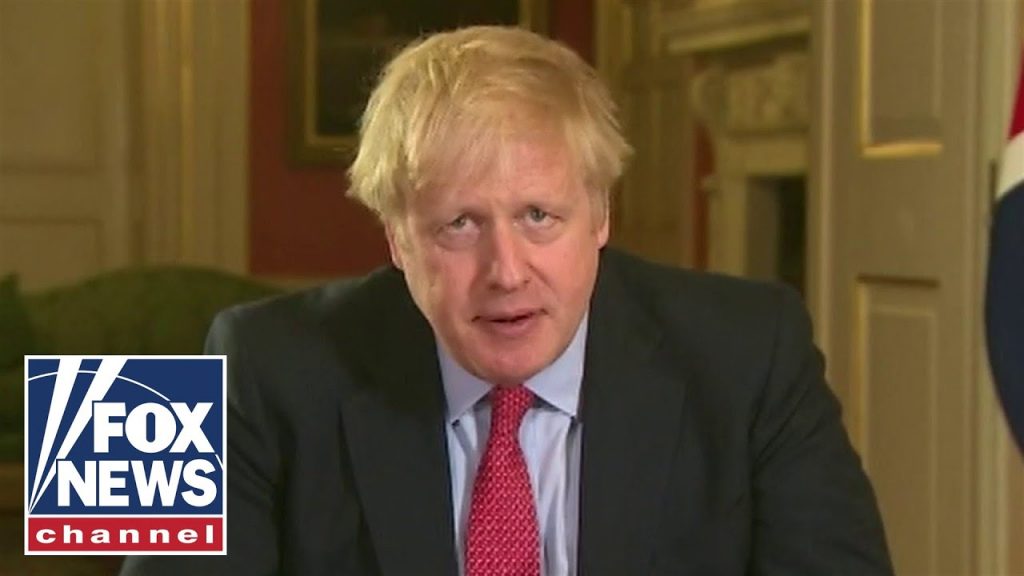
Fareed Zakaria says Boris Johnson’s rise to 10 Downing Street is a loss for the West, not a win.
On the July 28, 2019 broadcast of “Fareed Zakaria GPS,” the CNN host laid out a case — echoed in his Washington Post column the same week — that Boris Johnson’s arrival as UK Prime Minister weakens Britain, fractures Europe, and leaves the United States with a shakier ally at the exact moment it needs a steady one. Zakaria’s argument centers on the mechanics of Brexit, the numbers behind Johnson’s popularity, and the geopolitical vacuum a distracted Europe leaves for China and Russia to fill.
- Johnson has pledged to take Britain out of the European Union in fewer than 100 days, by October 31, 2019, even though almost half of British exports go directly to the EU.
- Donald Trump publicly embraced Johnson as “Britain Trump,” but YouGov polling shows only 21% of Britons view Trump favorably against 67% unfavorable — compared with 72% favorability for Barack Obama.
- Zakaria cites former U.S. Ambassador to the EU Stuart Eizenstat to argue Britain has long been America’s closest voice inside European institutions, a role Brexit dismantles.
The 100-Day Brexit Math
Zakaria’s central economic objection is arithmetic, not ideology. Johnson has committed to leaving the EU by October 31, 2019, whether or not London and Brussels reach a deal — a timeline Zakaria says invites serious self-inflicted damage given that nearly half of the UK’s exports flow straight into the EU single market. He frames Johnson’s insistence on speed over a negotiated exit as a gamble with Britain’s own economy, one made without, in Zakaria’s words, a clear plan for what replaces frictionless trade with the bloc’s largest customer.
Trump’s Endorsement and the Polling Gap
Zakaria draws a sharp contrast between how Trump talks about Johnson and how British voters actually feel about Trump. The president labeled the new prime minister “Britain Trump” and insisted “people are saying that’s a good thing.” Zakaria counters with YouGov’s numbers: just 21% of Britons hold a favorable view of Trump against 67% unfavorable, a gulf that widens further when set beside Barack Obama’s 72% favorability in the same country.
Trump called Johnson “Britain Trump” and said “people are saying that’s a good thing” — but YouGov has Trump at 21% favorable in Britain, versus 72% for Obama.
A Fractured Europe Without Its Steadiest Member
Zakaria’s broader worry is what Britain’s exit does to Europe’s standing as a geopolitical bloc. Citing Stuart Eizenstat, the former U.S. Ambassador to the EU, he argues the UK has historically been Washington’s most reliable partner inside European institutions — the country that helped translate American interests into EU policy. He contrasts Johnson’s insular turn with the generation of Margaret Thatcher, François Mitterrand, Jacques Delors and Helmut Kohl, leaders who built out the single market and projected Western values after the Cold War ended.
That leadership bench, Zakaria says, has no obvious successor. Germany’s Angela Merkel is governing in caretaker mode, France’s Emmanuel Macron is consumed by domestic conflict, and now Britain is heading for the exits. The result, in his telling, is a European Union with the world’s second-largest economy behind only the United States — yet increasingly unable to counter the assertiveness of China and Russia, two powers that, as covered in China’s escalating military drills near Taiwan and ongoing tension detailed in the standoff between the US and Russia over Ukraine, aren’t slowing down while Europe sorts out its leadership vacuum.
Zakaria’s bottom line is that October 31 isn’t just a British deadline — it’s the date by which the West finds out whether a Europe missing Britain, Germany’s Merkel and France’s Macron all at once can still function as a counterweight to Beijing and Moscow, or whether Johnson’s exit accelerates the drift he’s already describing on air.


State Department advising Americans not to get on cruise ships
2 US soldiers killed in Iraq
Coronavirus case on U.S. base in South Korea
Biden’s accuser says he should drop out of White House race
Fareed Zakaria: Boris Johnson is bad for Britain, Europe and the US