

Unusual animal behavior in China; Beijing like ‘ghost town’ amid coronavirus; Massive floods
 InfoSearched
China’s summer of 2020 arrived as a run of bad omens, a sealed-off capital, and swollen rivers all at once.
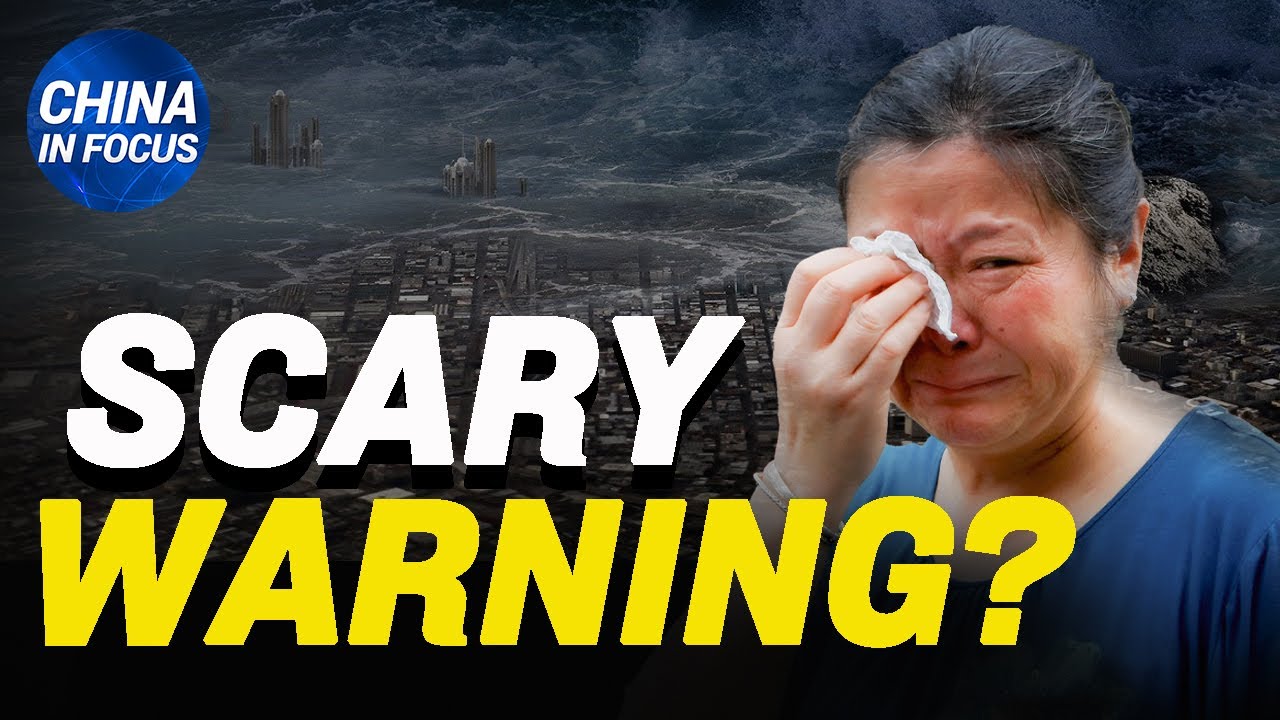
NTD’s China in Focus laid out a country under simultaneous pressure in mid-June 2020: eerie viral footage of fish leaping from rivers, a fresh coronavirus flare-up that turned Beijing into a “wartime” city, and floodwaters swamping roughly 70 percent of the nation. Layered on top of it all, Sino-Indian border tensions and a new U.S. sanctions law targeting Xinjiang officials added a geopolitical edge to an already chaotic stretch for Beijing.
- Social media videos of fish jumping en masse out of Chinese waterways sparked widespread superstition that the behavior was an omen of an approaching earthquake or disaster.
- A COVID-19 outbreak tied to the Xinfadi wholesale market ended Beijing’s 55-day streak without a local case, prompting lockdowns of dozens of residential compounds, canceled flights, shuttered schools, and mass testing.
- Seasonal flooding hit an estimated 20 million people across about 70 percent of the country, triggering mudslides and sweeping away at least one major bridge.
Fish Leaping From the Rivers
The footage that opened the broadcast showed schools of fish launching themselves out of rivers and waterways in scenes that quickly went viral across Chinese social media. There was no official scientific explanation offered in the reporting, but that vacuum was filled by an old and persistent folk belief: that erratic animal behavior — fish breaching en masse, snakes fleeing burrows, livestock acting strangely — has long been read in Chinese culture as a precursor to earthquakes or other natural catastrophes. Netizens circulating the clips leaned hard into that reading, and the anxiety only compounded what was already a rough stretch for the country.
Beijing’s Wartime Lockdown
Beijing’s outbreak traced back to the Xinfadi wholesale market, and it broke a 55-day run without a single locally transmitted case in the capital. City officials responded by placing the metro area on what state media described as a “wartime” footing: dozens of residential compounds went under strict lockdown, hundreds of flights were canceled, schools were shut, and authorities rolled out mass testing across the city. The result was a capital that photos showed looking hollowed out — streets normally packed with commuters and tourists left empty, giving Beijing the look of what the broadcast called a “ghost town.”
Fifty-five days without a single local case in Beijing. Then Xinfadi happened.
Floodwaters Swallow the South and Center
While Beijing dealt with its outbreak, torrential seasonal rains were drowning southern and central China, affecting an estimated 20 million people across roughly 70 percent of the country. The downpours triggered deadly mudslides, inundated cities, and washed out at least one major bridge. The scale of the flooding revived long-running public anxiety over upstream water management and the structural strain being placed on the Three Gorges Dam, a recurring flashpoint whenever China’s rainy season turns severe.
Pressure Building on Two Fronts
The domestic crises unfolded alongside sharpening pressure abroad. The deadly June 15 clash between Chinese and Indian troops in the Galwan Valley set off intense backlash inside India, including growing calls to boycott Chinese goods and investments, even as Indian authorities said they still hoped to resolve the border standoff diplomatically. Separately, President Trump signed the Uyghur Human Rights Policy Act on June 17, 2020, authorizing U.S. sanctions against Chinese officials tied to the detention camps and forced-labor system in Xinjiang — a move Beijing did not take well, following a similar pattern to Washington’s earlier decision to end preferential treatment for Hong Kong.
None of these storylines were isolated. A capital locked down over a wholesale-market outbreak, provinces underwater from a monsoon season stretched to its limits, a bloody border skirmish reviving old rivalries with India, and a new U.S. law aimed squarely at Xinjiang all landed within the same week — leaving Beijing managing a health crisis, a natural disaster, and two separate diplomatic fires at once.







News Wrap: Commerce Department says economic growth slowed in 2nd quarter
USC to eliminate tuition for families making under $80,000
NYPD precinct commander quits in protest over lack of support from officials
Inside the wildfires devastating the Pacific Northwest
America Strong: The Women of CMA