

 InfoSearched
New York opens its first drive-through coronavirus testing site as New Rochelle becomes ground zero for the outbreak.
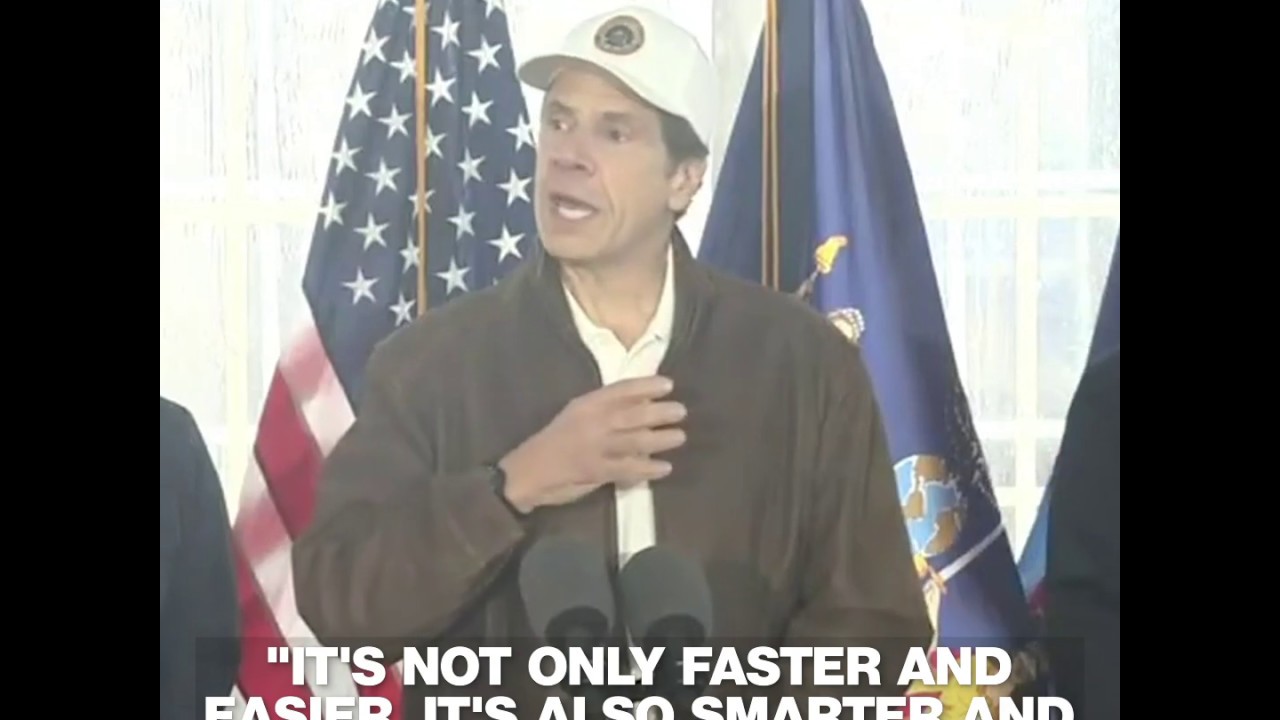
Governor Andrew Cuomo stood at Glen Island Park in New Rochelle on the morning of Friday, March 13, 2020, to open the state’s first drive-through COVID-19 testing facility — a six-lane operation built to screen residents without ever asking them to leave their cars. The park, closed to the public the day before to make room for the setup, sits in the heart of Westchester County, the county that had quickly become the epicenter of New York’s outbreak.
- The site, run with Northwell Health Labs and BioReference Laboratories, planned to test up to 200 people on opening day, with capacity set to grow to 500 tests daily.
- Cuomo also announced a separate deal with BioReference Laboratories to process an additional 5,000 automated tests per day statewide.
- By Friday afternoon, New York had 421 confirmed COVID-19 cases, with 158 of them concentrated in Westchester County.
Mechanics of Drive-Through Operations
Motorists never step out of their vehicles. Medical staff walk lane to lane collecting swab samples through the window, a design meant to keep symptomatic patients away from indoor waiting rooms where they could expose healthcare workers or other visitors. Results are expected back within one to two days, fast enough to guide isolation decisions before a mild case turns into a cluster.
Testing is strictly by appointment through a state hotline, 888-364-3065, and access is being rationed by risk. New Rochelle residents get priority first, followed by the rest of Westchester County, with symptomatic patients and the highest-risk populations moved to the front of the line rather than opening it up to anyone curious about their status.
Selection Rationale for New Rochelle
New Rochelle had already become the state’s flashpoint days before the testing site opened, prompting emergency containment measures earlier in the week. Cuomo framed the drive-through model as both a practical fix and a public-health strategy in one move.
“It’s not only faster and easier, it’s also smarter and safer, because you are not exposing someone if you are positive.”
That logic — pulling potentially infectious people out of shared indoor spaces — is the same reasoning behind the broader restrictions several states imposed as infections continued to spike in the weeks that followed, though New York’s drive-through model became a template other states would look to copy.
The Numbers Behind the Rollout
The math driving Friday’s announcement was simple: 421 confirmed cases statewide, 158 of them in Westchester alone, meant testing capacity had to scale fast or the state would be flying blind on how far the virus had already spread. The added 5,000 daily automated tests through BioReference Laboratories were designed to close that gap statewide, not just in New Rochelle, at a moment when projections were already pointing toward a sharp rise in cases nationally.
The 200-test opening-day figure was deliberately conservative — a soft launch for a system built to eventually run five times that volume once staffing and lab turnaround could keep pace.
Glen Island Park’s six lanes were just the first piece. Cuomo’s office framed the New Rochelle site as a pilot for how the state would handle testing bottlenecks as the outbreak spread beyond Westchester — the next question was simply how fast that 500-test daily ceiling could be reached, and how many more drive-through lanes New York would need before the month was out.







NYPD officers encouraged to call out sick on July 4th
3 members of same Ohio family die of COVID-19
AOC’s ‘Green New Deal’ would destroy the economy: Art Laffer
President Trump Says He Did Not Discuss Election Interference With Putin | Velshi & Ruhle | MSNBC
Coronavirus Second Wave Is Coming – Understand what it’s about and prepare