

 InfoSearched
China’s growth engine just posted its weakest number in almost three decades.
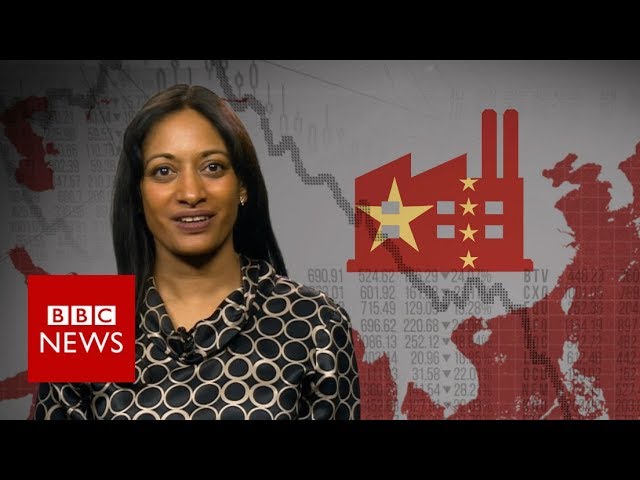
Beijing’s own statisticians put 2018 GDP growth at 6.6%, technically hitting the government’s target but still the slowest annual pace since 1990. BBC economics correspondent Dharshini David dug into the numbers for the corporation’s Reality Check series, broadcast January 26, 2019, tracing what’s actually driving the slowdown beneath the headline figure.
- Official data released on January 21, 2019, showed China’s economy grew 6.6% in 2018, down from 6.8% in 2017 and the weakest annual rate since 1990.
- Growth cooled further in the fourth quarter alone, slipping to 6.4%, with retail sales, wage growth and manufacturing employment all showing signs of strain.
- David flags that alternative indicators — auto sales, energy consumption, rail freight — hint the real slowdown could run deeper than the official 6.6% figure suggests.
Domestic Demand Loses Steam
David’s report walks through the softer consumer picture first: retail sales growth has been cooling, wages aren’t rising the way they were, and factories have started shedding workers rather than adding them. That matters because household spending has been one of the pillars Beijing has leaned on as it tries to shift the economy away from pure export-and-investment growth.
The manufacturing sector’s job losses are a particular warning sign, since it’s long been the backbone of employment in China’s industrial provinces. When factory floors start cutting headcount, it tends to show up a few months later in retail tills and property markets.
The Debt Overhang Beijing Can’t Ignore
Behind the slowdown sits a debt pile built up over a decade. After the 2008 global financial crisis, local governments borrowed heavily to fund infrastructure and keep growth humming, and that credit-fueled expansion never really stopped. Regulators have since tried to rein in shadow banking and tighten credit conditions to defuse the risk, but the crackdown has had a side effect: domestic investment has slowed as cheap financing dries up.
6.6% growth in 2018 — technically on target, but the slowest China has posted since 1990.
It’s the same tension that’s shown up in other corners of the world where governments try to defuse debt-fueled booms without tipping into a hard landing — a balancing act the BBC’s Reality Check team has examined in other contexts, including its breakdown of high-stakes geopolitical standoffs where the numbers behind the headlines tell a different story than the official line.
Trade War Pressure From Washington
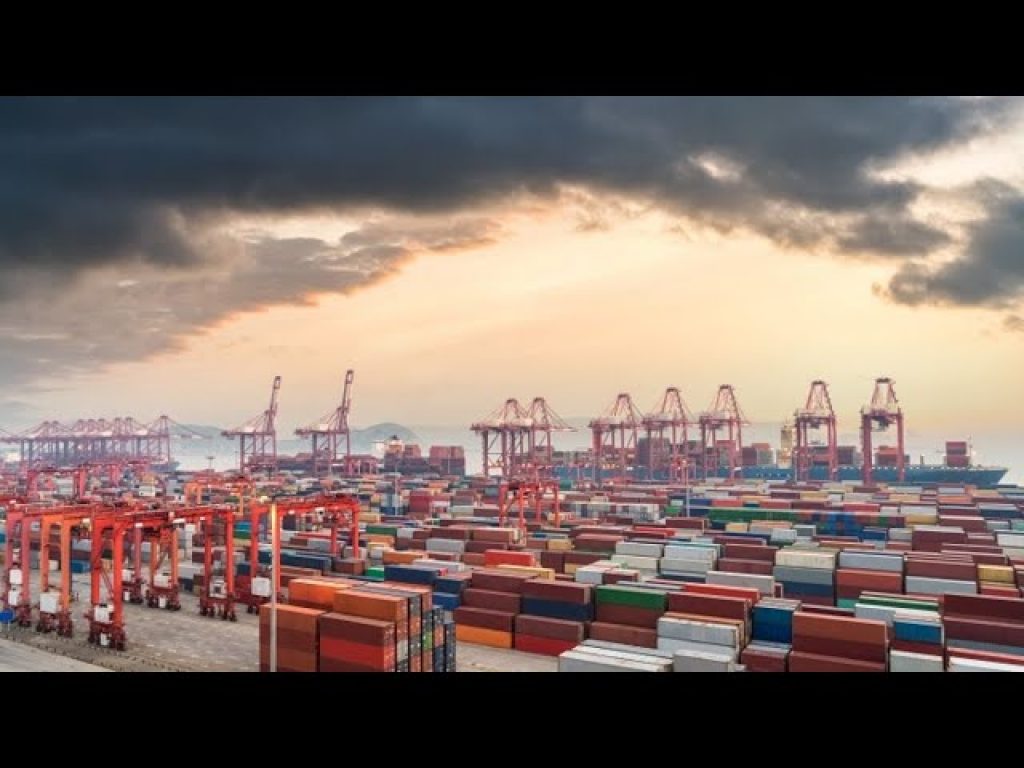
Layered on top of the domestic slowdown is the tariff fight with the United States. David’s analysis points to the escalating trade dispute, combined with softening demand globally, as a real drag on Chinese exporters just as domestic demand was already cooling. That’s a double hit: less spending at home and less certainty selling abroad.
The trade friction has been building for months as Washington and Beijing traded tariff rounds, and it’s part of a broader shift in how Chinese firms operate internationally — a shift some who’ve lived and worked in the country have written about firsthand as the business climate tightens.
Factors Driving Skepticism of Statistics
David addresses head-on the skepticism that’s long dogged Chinese GDP reporting. Economists have repeatedly pointed to proxies like car sales, electricity and energy consumption, and rail freight volumes as more reliable gauges than the headline number — and by those measures, the slowdown looks sharper than 6.6% would imply.
That gap matters well beyond China’s borders. Weaker Chinese purchasing power and softer import demand ripple straight through to exporters and multinationals worldwide who’ve built their sales forecasts around a steadily growing Chinese consumer.
China’s next quarterly GDP print will be the one to watch — if the alternative indicators David flagged keep diverging further from the official number, that’s the signal traders and exporters will be trading on, not the 6.6% headline Beijing put out on January 21.




Park Won-soon: Guards, Journalists Gather in Seoul After Missing Mayor Found Dead
Joe Biden is working from home
Gutfeld: CNN becomes more ‘racist’ everyday, they are in freefall
America Strong: The Women of CMA
Trump Administration Targets California With Loosened Emissions Standards | NBC Nightly News