

 InfoSearched
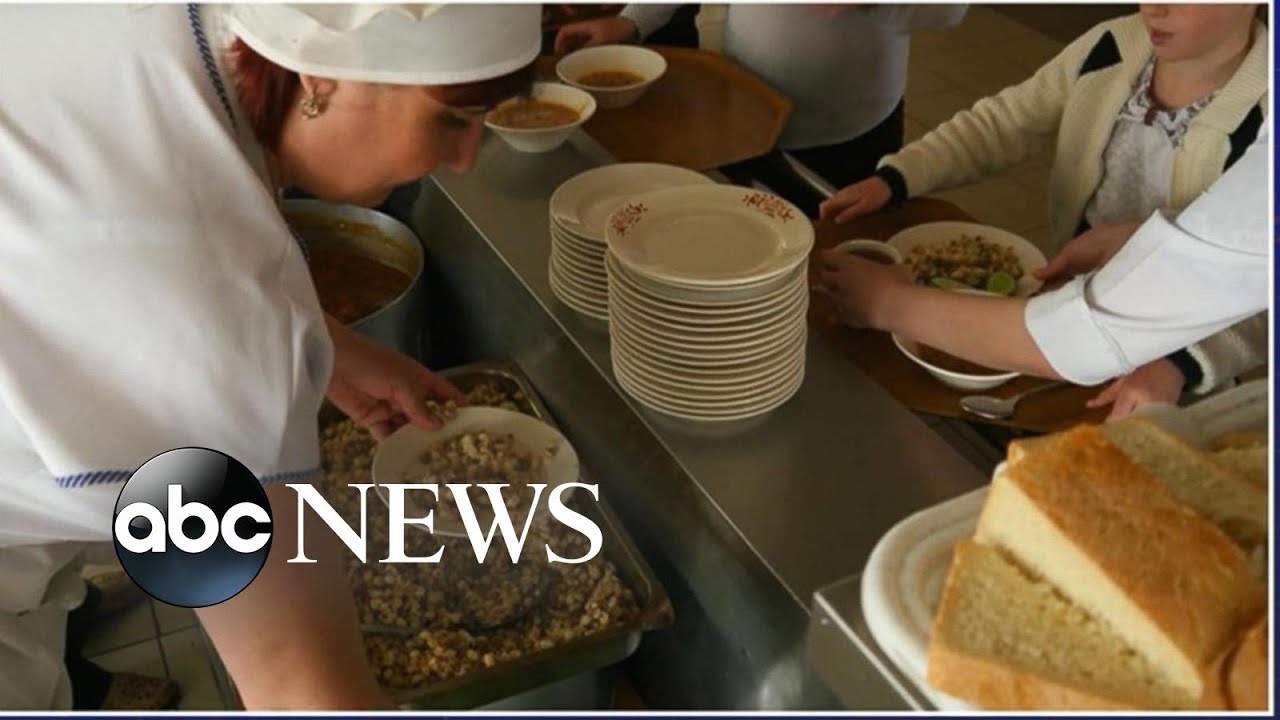
A wave of school shutdowns is about to cut off the only reliable meal 22 million kids get each day.
As coronavirus cases accelerate across the United States in mid-March 2020, districts from Seattle to New Rochelle are closing campuses and shifting to remote instruction to slow transmission. Chef and food-security advocate Tom Colicchio told ABC News the shutdowns create an emergency that has nothing to do with lesson plans and everything to do with the cafeteria line millions of low-income children depend on every morning and afternoon.
- Roughly 22 million students nationwide rely on free or reduced-price breakfast and lunch through federal school meal programs.
- Colicchio warns that unlike short-term natural-disaster closures, prolonged pandemic shutdowns and social-distancing rules make it far harder to run congregate feeding sites or door-to-door delivery.
- He is pressing local, state, and federal officials to stand up grab-and-go meal hubs and expanded community feeding operations before districts pull the trigger on closures.
The Scale of the Problem
School cafeterias are, for a huge share of American kids, the most consistent source of calories they get in a day. The federal school breakfast and lunch programs feed about 22 million students who qualify for free or reduced-price meals, and for many of those families, that’s two meals a day covered without a grocery bill attached. When a district closes its doors to slow coronavirus spread, that supply line doesn’t pause — it disappears.
Colicchio’s point on ABC News wasn’t abstract. He’s spent years working food-policy issues, and he framed the shutdowns bluntly: schools are functioning as the largest emergency-feeding network in the country, and nobody built a backup plan for a virus that keeps kids away for weeks, not days.
The Unique Nature of This Crisis
Districts already know how to feed kids through a snow day or a hurricane closure — those are short, and communities can mobilize National Guard trucks or church basements for a few days. A pandemic closure is a different animal. Social-distancing guidance discourages the exact things that normally solve this problem: crowding kids into a cafeteria or a community center, or sending volunteers door-to-door in large numbers.
Colicchio warns that as officials weigh shutting down schools, they need to simultaneously secure alternative food delivery systems — because once the doors close, there’s no easy way to reach the kids who needed that cafeteria line the most.
That’s the tension driving his appeal: health officials are, correctly, racing to limit exposure, but the same closures that protect kids from the virus expose them to hunger. Colicchio’s argument is that the two goals have to be solved together, not sequentially.
Advocates Demand Immediate District Action
Colicchio is pushing for grab-and-go meal hubs — sites where families can pick up boxed breakfasts and lunches without kids congregating — alongside expanded community feeding partnerships with food banks and nonprofits already serving the same neighborhoods. The logic mirrors what a handful of districts were already piloting as closures spread: pack meals in bulk, stagger pickup times, and lean on existing bus routes to drop food at central points rather than every doorstep.
The urgency is compounding by the day. As more districts announce closures in response to the outbreak, the story is becoming less about whether schools should shut down and more about whether the meal infrastructure can be rebuilt fast enough to catch kids on the way down. For continuing coverage of how districts are handling reopening and closure decisions, see Schools Face Tough Choices About Reopening As Parents, Teachers Weigh Risks and School boards across the country debate over reopening.
Colicchio’s warning landed at a moment when the broader outbreak response was moving fast in every direction — testing, travel, and now school policy all shifting within days of each other. Whatever grab-and-go system a district stands up this week is the system 22 million families will be counting on tomorrow morning, and there isn’t a lot of runway left to get it right.







Disney shares drop as company delays reopening of California Disneyland
Europe’s economy is slowing down
Man intentionally derailed train near hospital ship
Coronavirus: How long does it take to recover?
U.S. Economy Is ‘Fine,’ Rollover Concerns Overdone, Says GSAM’s Swell