

 InfoSearched
The retail politician who built the country’s most watched candidate-in-quarantine broadcasts.
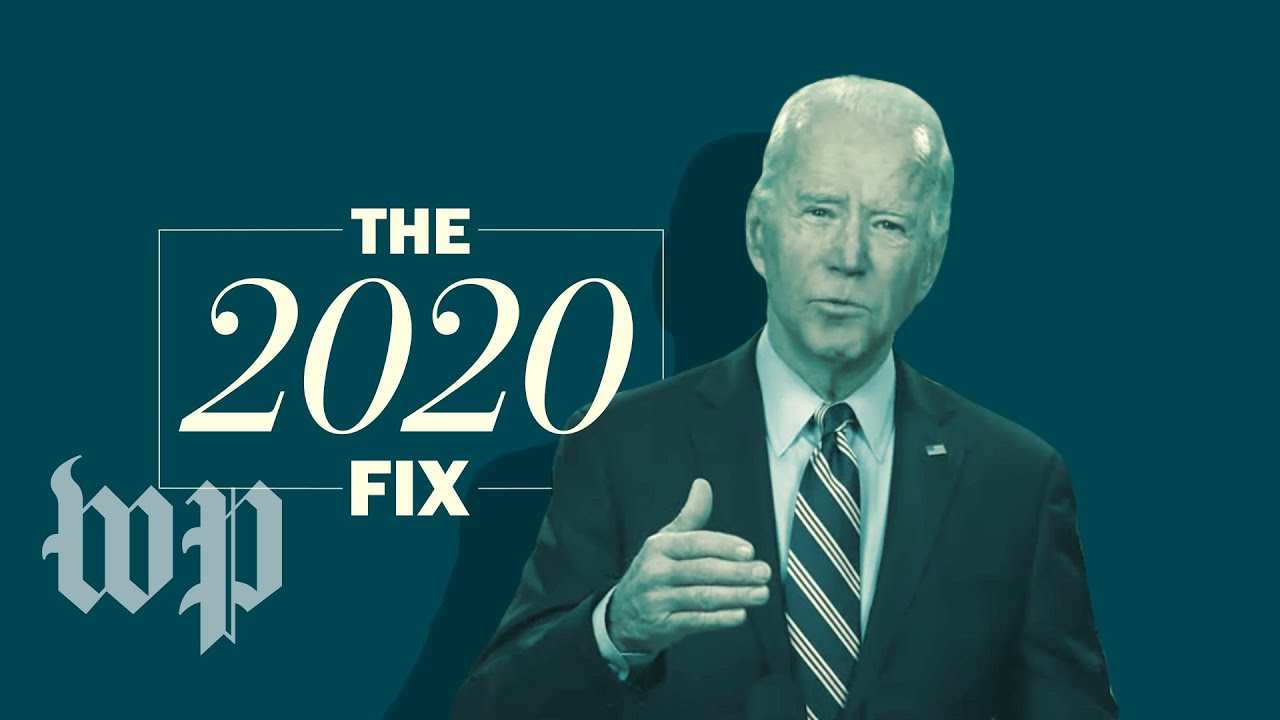
Joe Biden made his name shaking hands in diners and hugging his way through Iowa VFW halls. By late March 2020, none of that was available to him. The Washington Post’s “The 2020 Fix” caught the Democratic frontrunner mid-transition — trading rope lines for a repurposed basement in Wilmington, Delaware, trying to run a national campaign through a webcam.
- Mid-March directives to halt rallies and campaign travel forced Biden off the trail entirely, pushing him into a makeshift home studio in his Wilmington residence.
- The early broadcasts were rough — livestream delays, audio glitches and lighting problems marred his virtual town halls and press availabilities, including a CNN virtual town hall.
- Biden used the remote setup to try to counter President Trump’s daily White House coronavirus task force briefings, competing for the same media oxygen from total isolation.
From Rope Lines to a Ring Light
Biden’s entire political identity was built on physical proximity — the arm on the shoulder, the long story at a rally that ran ten minutes past schedule. The 2020 primary calendar had him barnstorming through Michigan and Florida just weeks earlier. Then the coronavirus shutdown orders hit, and the campaign that had just found its footing after Super Tuesday had to reinvent itself overnight as a broadcast operation running out of a basement.
Staff scrambled to wire his home with camera equipment, and the results, at least at first, showed it. The Post’s segment didn’t gloss over the stumbles — dead air, mistimed cuts, harsh lighting that made the setup look exactly like what it was: improvised.
A candidate built on handshakes and eye contact, reduced to a webcam feed with a lighting problem.
Competing With the White House Podium
The stakes behind the awkward optics were real. Trump’s coronavirus task force briefings were airing live daily and pulling enormous cable audiences, giving the sitting president a nightly platform Biden simply couldn’t match from a laptop camera. Biden’s team leaned on cable hits, livestreamed remarks and a CNN virtual town hall to try to stay in the conversation, betting that voters would eventually judge substance over production value.
Whether that bet paid off in the moment was an open question at the time. The Post’s framing was blunt: could a retail politician whose entire brand depended on being physically present with voters actually hold a campaign together entirely through a screen.
The Broader Primary Backdrop
Biden entered this stretch as the clear Democratic frontrunner after a string of Super Tuesday wins, but the pandemic had frozen the primary calendar and emptied out the traditional campaign trail for every candidate left in the race. That backdrop is part of a broader story Team Biden was still working through as the general election contest with Trump began taking shape, with the candidate’s home-studio struggles becoming an early test of whether digital-only campaigning could actually substitute for the handshakes and diners.
Biden wasn’t the only politician getting pulled into makeshift remote setups that March, either — governors and state officials nationwide were improvising home offices and video briefings as stricter coronavirus restrictions took hold across the country.
Nobody at the Post was pretending the basement setup was working yet. It wasn’t. But Biden kept doing the CNN hits and the livestreams anyway, glitches and all, because the alternative — going dark while Trump held a podium every afternoon — was worse.






Negative Oil Prices Explained.
Tracking the coronavirus origins
Trump Administration Targets California With Loosened Emissions Standards | NBC Nightly News
BREAKING: Boris Johnson leaves hospital as coronavirus recovery continues
WATCH: Trump holds news conference on the coronavirus