

 InfoSearched
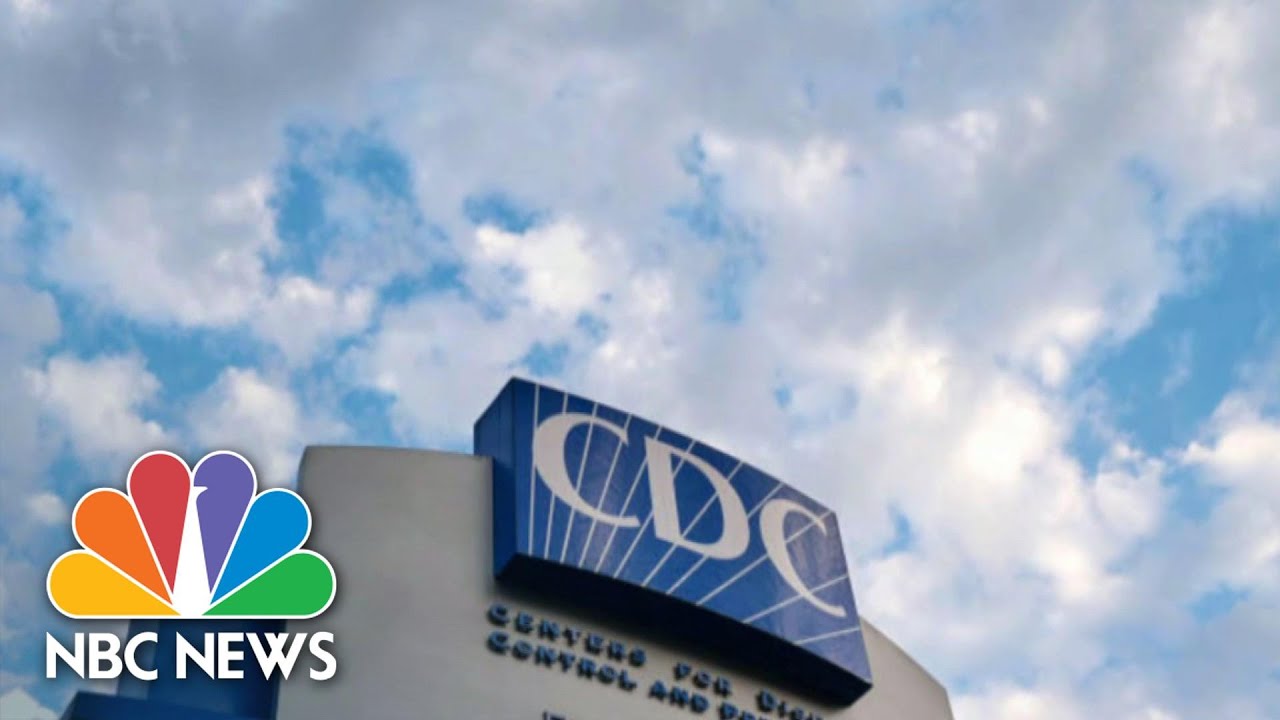
The CDC just told America the air isn’t as dangerous as it said three days ago — and nobody’s buying the explanation.
On Friday, September 18, the Centers for Disease Control and Prevention quietly posted updated guidance acknowledging that COVID-19 can spread through tiny airborne particles that linger in poorly ventilated rooms and travel well beyond six feet. By Monday, September 21, the language was gone, replaced with the agency’s older stance that close-contact droplets within six feet remain the primary way the virus spreads. The CDC says a draft got published by mistake before it cleared internal review — but the whiplash has scientists and public health officials asking what happened over that weekend.
- The since-deleted guidance, posted September 18, warned that infectious aerosols from breathing, talking, singing, coughing, or sneezing can stay suspended in the air and infect people in restaurants, fitness classes, and choir practices — even beyond six feet.
- The CDC pulled the guidance on September 21, claiming it was an unreviewed draft posted “in error,” and reverted to guidance centered on close-contact droplet spread.
- The reversal lands as the U.S. death toll has passed 200,000 and follows earlier CDC controversies over shifting testing guidelines, deepening questions about the agency’s consistency.
Three Days That Changed the Message
The September 18 update was a notable shift in tone from an agency that had spent months emphasizing hand-washing, surface cleaning, and six-foot spacing over airborne spread. It specifically called out indoor ventilation as a risk factor and recommended air purifiers for enclosed spaces where people gather — restaurants, gyms, choir rehearsals — language that read as a direct nod to superspreader events researchers had been flagging since the spring. Then, over the weekend, it vanished.
By Monday afternoon, the CDC’s website had reverted to its previous framing: transmission mainly happens through respiratory droplets during close contact, full stop. The agency’s official explanation was procedural — a draft posted before finishing “the agency’s standard scientific review process” — but the timing, three days between publication and deletion, did little to reassure critics already skeptical of how CDC guidance gets made and unmade.
Scientists Push Back
Aerosol researchers who had spent much of 2020 lobbying the CDC to formally recognize airborne spread reacted with alarm. Their argument wasn’t new — outbreaks tied to a Washington state choir rehearsal and poorly ventilated restaurants had already been cited as evidence that the virus can travel farther than six feet indoors — but the abrupt reversal suggested to many scientists that public health messaging was again being overridden or rushed without proper vetting.
A draft version of proposed changes to these recommendations was posted in error to CDC’s official website before the agency’s normal scientific review process was completed.
That single sentence, issued as the CDC’s rationale for the takedown, became the flashpoint. Critics noted it left open more questions than it answered: was the underlying science wrong, or just the paperwork? The agency didn’t say the aerosol guidance was inaccurate — only that it wasn’t supposed to go up yet.
A Pattern of Reversals
The airborne-guidance flap didn’t happen in a vacuum. It came weeks after the CDC drew fire for quietly narrowing its testing recommendations to suggest asymptomatic contacts of infected people didn’t necessarily need to get tested — guidance that was later walked back amid an outcry from public health experts, similar to how states have struggled with shifting coronavirus guidance throughout the pandemic. Taken together, the episodes fed a growing narrative, echoed by lawmakers and outside scientists alike, that CDC guidance was being shaped or slowed by forces outside the agency’s own scientists just as colder weather threatened to push more activity indoors — precisely the setting where aerosol transmission is most dangerous.
Health officials nationwide were already navigating difficult calls about how to reopen schools and workplaces safely, and an agency that couldn’t keep its own airborne-transmission guidance up for a single weekend didn’t make those decisions any easier.
The CDC said revised guidance would be posted again once it clears review — no date was given. Until then, the official word from the nation’s top public health agency is the same six-foot, close-contact framing it’s been using since spring, even as the scientists who pushed for the aerosol language keep waiting for it to reappear.



Liberal Says They’re Voting For Trump, Facebook DELETES Video??!
Hong Kong LegCo Member Ho: There’s No Attempt by China to Heal the Rift
Head Of Laboratory In China Denies Coronavirus Originated There
Joe Biden is working from home
What to expect from Day 2 of public hearings in impeachment inquiry