

 InfoSearched
While mayors and governors ducked, ordinary Americans picked up brooms, cameras and, in some cases, rifles to defend their own blocks.
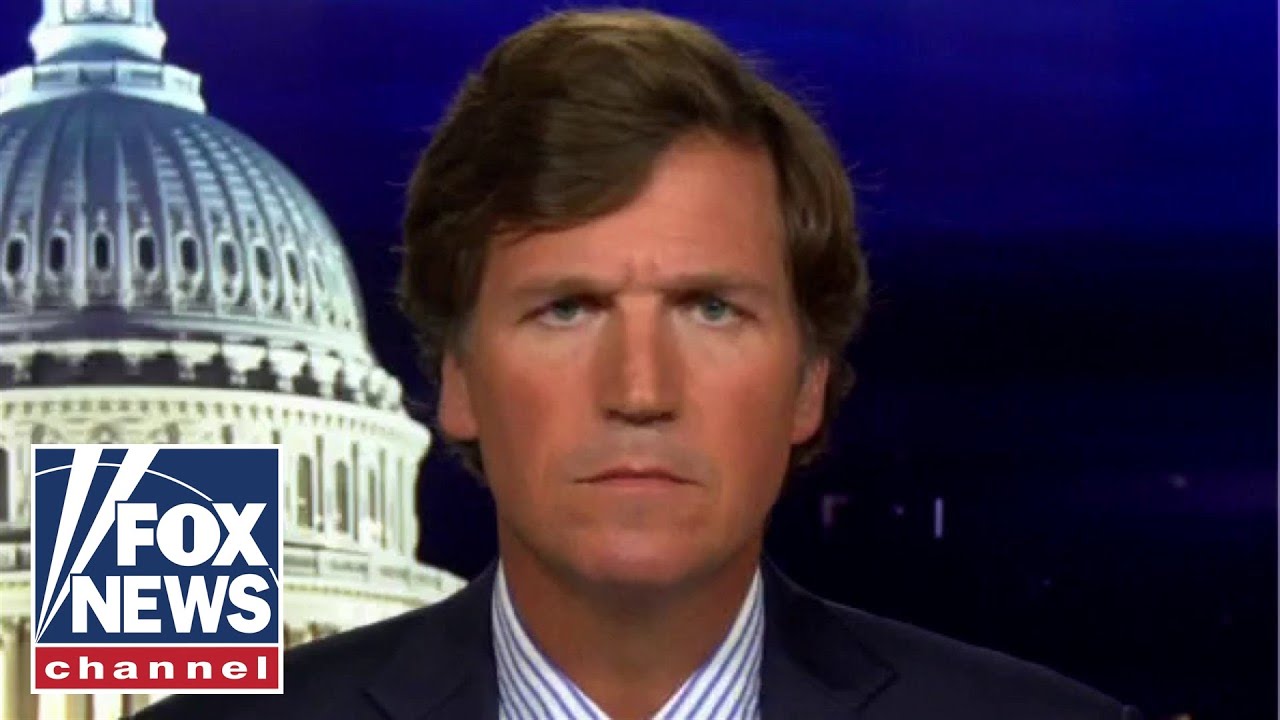
Tucker Carlson opened his June 29 monologue on “Tucker Carlson Tonight” with a blunt indictment: the politicians elected to protect cities had, in his telling, folded to the mob rather than confront it. Carlson argued that as statues came down, storefronts were smashed and neighborhoods faced intimidation, the people actually stepping in to stop it weren’t senators or city councils — they were shopkeepers, homeowners and neighbors with nothing but their own resolve.
- Carlson framed the response to weeks of unrest since late May as a failure of local, state and federal leadership, saying officials “cowered” rather than confronted destructive demonstrations.
- He contrasted that inaction with citizens who organized to protect businesses, homes and monuments from vandalism and looting on their own initiative.
- The monologue aired during a stretch in which “Tucker Carlson Tonight” was cable news’ most-watched program, even as advertisers pulled out over his commentary on the protests.
The Case Carlson Made
Carlson’s argument wasn’t subtle: elected officials at every level, he said, had chosen political self-preservation over their basic duty to keep order. Rather than push back against street demonstrations that had turned destructive, Carlson contended, mayors and governors let vandalism and looting run largely unchecked, worried that any pushback would get them branded as insensitive to the underlying grievances driving the protests. It’s the same dynamic that showed up when a NYPD precinct commander quit in protest over the lack of backing from City Hall.
He pointed to city halls slashing police budgets and prosecutors declining to pursue charges as evidence that the political class had effectively surrendered the streets. That backdrop had already produced headlines like de Blasio’s plan to slash $1 billion from the NYPD budget as violent crime surged — the kind of retreat Carlson said left ordinary residents to fend for themselves.
Citizens Filling the Vacuum
The counterpoint to that political retreat, Carlson argued, was showing up on sidewalks and front porches across the country. Business owners boarded up and stood watch over their own storefronts. Neighbors formed impromptu lines to keep vandals away from monuments and public property. In some high-profile cases, homeowners confronted protesters directly on their own property — the same instinct that put a St. Louis couple in the national spotlight after they stepped outside with firearms to face down a crowd marching toward their house, a moment Carlson’s show and others covered extensively, as detailed in coverage of Trump’s defense of the St. Louis couple who pointed firearms at protesters.
Politicians cower to the rage mob — ordinary citizens don’t.
Carlson’s larger point was that this wasn’t isolated. From cleanup crews scrubbing graffiti off buildings to residents guarding historic statues overnight, he cast these acts as evidence that civic responsibility hadn’t disappeared — it had simply relocated from city hall to the street level, echoing the response the White House pushed when it moved to authorize arrests of anyone caught vandalizing monuments.
A Show Under Pressure, and Watching
The monologue landed at a strange moment for Carlson’s program. Even as a wave of advertisers pulled their spots over his commentary on the Black Lives Matter protests and the political response to the unrest, “Tucker Carlson Tonight” was pulling the biggest audience in cable news that month — a split screen of commercial blowback and ratings dominance that had become its own storyline in the broader media fight over how to cover the protests.
That tension — advertisers fleeing while viewers tuned in in record numbers — became part of the story Carlson himself leaned into, framing the boycotts as further proof that institutions, corporate this time rather than political, were bending to the same pressure he said politicians had already given in to.
Carlson closed the segment the way he opened it: pointing back to the people who didn’t wait for permission. No task force, no city council vote, no press conference — just residents deciding their block was worth defending themselves. Whether that instinct outlasts the summer’s unrest is the open question Carlson left hanging as the show signed off for the night.
Joe Biden’s Bloopers, Blunders, and Gaffes: The TOP 30 Countdown!
Disney shares drop as company delays reopening of California Disneyland
High tide in Venice could hit twice normal level
School boards across the country debate over reopening
Senate blocks two anti-abortion bills as reproductive rights battle heats up