

 InfoSearched
The Federal Reserve just cut rates for the second time in 2019 — and its own committee can’t agree on why.
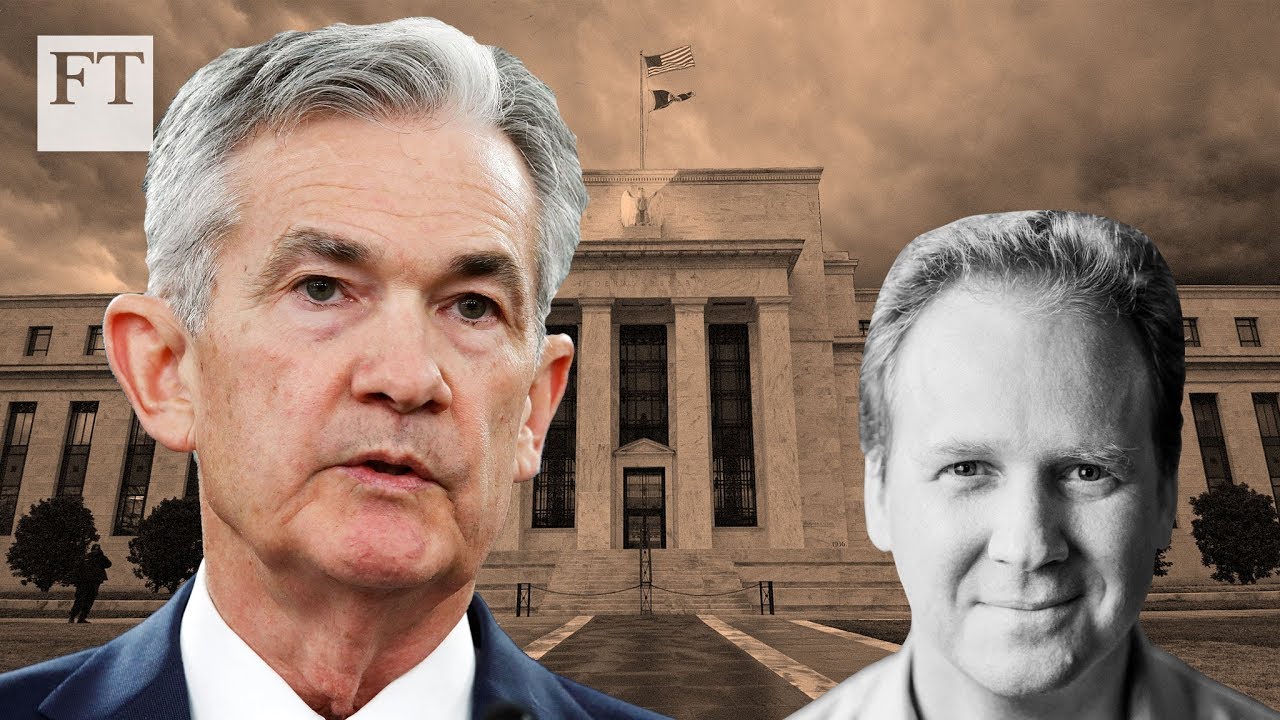
On September 18, 2019, the Federal Open Market Committee voted to lower the federal funds target rate by a quarter point, to a range of 1.75% to 2.00%. Chair Jerome Powell called it a “mid-cycle adjustment” meant to insure the economy against trade tensions and a global slowdown. But the vote exposed the widest split inside the Fed in years, and the Financial Times’ Brendan Greeley walks through exactly where the fault lines run.
- Three FOMC members formally dissented: Kansas City Fed President Esther George and Boston Fed President Eric Rosengren wanted no cut at all, while St. Louis Fed President James Bullard wanted a full 50-basis-point cut instead of 25.
- The Fed’s updated “dot plot” showed five policymakers who think rates should be higher, five who want them held steady, and seven who expect at least one more cut before year-end.
- Powell framed the move as insurance against global trade tensions and slowing growth abroad, even as domestic consumer spending and low unemployment gave hawks reason to push back.
A Rate Cut With Three Dissents
Rate decisions at the Fed are rarely unanimous, but three dissenting votes on a single move is unusual — and the dissents pulled in opposite directions. George and Rosengren, both regional bank presidents known for their inflation-hawk instincts, argued the economy didn’t need help: unemployment was low, consumers were still spending, and cutting further risked stoking the kind of overheating the Fed spent a decade trying to avoid. Bullard took the opposite view, arguing that a quarter point wasn’t nearly enough given below-target inflation and mounting downside risk from the trade fight with China.
That combination — hawks and a dove dissenting on the same decision — is the clearest evidence of how divided the committee has become. Greeley’s reporting frames this as more than a personality clash; it’s a genuine disagreement about where the economy actually stands nine years into an expansion, with the added twist of acute stress in overnight money markets that had already forced the Fed to intervene.
The Dot Plot Lays Bare the Divide
The Summary of Economic Projections released alongside the decision is normally a dry technical exhibit. This time it read almost like a ballot with no majority. Five officials projected rates should be higher than where they sit now, five wanted them held at the current level, and seven penciled in at least one more cut before 2019 ends. No single camp commands a clear plurality of opinion on where policy should go next.
Five want rates higher, five want them steady, seven want another cut — the Fed’s own dot plot shows a committee that can’t agree on which direction the economy is even heading.
That three-way split matters heading into the Fed’s next meetings, because it means Powell doesn’t have a stable governing coalition behind either more easing or a pause. Every future vote risks reopening the same argument.
Insurance Cut or Overreaction
Powell’s own language — describing the cut as “insurance” — was carefully chosen to avoid signaling panic. The case for easing rests on trade-policy uncertainty, muted inflation running below the Fed’s 2% target, and softening growth overseas that could eventually spill into the U.S. The case against rests on the strength of the domestic labor market and consumer spending, which hawks like George and Rosengren argue don’t look like an economy that needs stimulus.
Both camps are reading the same data — solid jobs numbers, sluggish inflation, an escalating tariff fight — and reaching different conclusions about which risk is bigger. That tension has been building all year and connects to broader economic anxieties, including the kind of consumer-facing pressures tracked in stories like grocery prices on the rise, where inflation trends filter down to household budgets long before they show up in a Fed statement.
Trade Policy Looms Over Every Vote
Underneath the internal Fed debate sits the same external pressure that has shaped much of 2019: the U.S.-China trade fight. Tariff escalation and retaliation have injected enough uncertainty into business investment decisions that even Fed officials skeptical of further easing acknowledge trade policy as a genuine downside risk, distinct from the underlying strength of the domestic economy. That external, policy-driven uncertainty is precisely what separates this rate-cutting cycle from a standard recession response, and it’s a big part of why economic policy generally has been under such scrutiny — see coverage like Trump signs executive order on skills-based hiring for how trade and labor policy have been colliding all year.
Powell will face this same three-way argument again at the Fed’s next meeting, and with seven officials already on record expecting another cut before the year is out, the pressure to act again hasn’t gone away — it’s just waiting for the next jobs report and the next turn in the trade fight to decide which faction gets the votes.
Jeff Zucker resigns from CNN in stunning announcement
McEnany calls on Dem leaders to take action against rising violence
Park Won-soon: Guards, Journalists Gather in Seoul After Missing Mayor Found Dead
Coronavirus case on U.S. base in South Korea
US sees 40,000 new COVID-19 cases in 1 day