

 InfoSearched
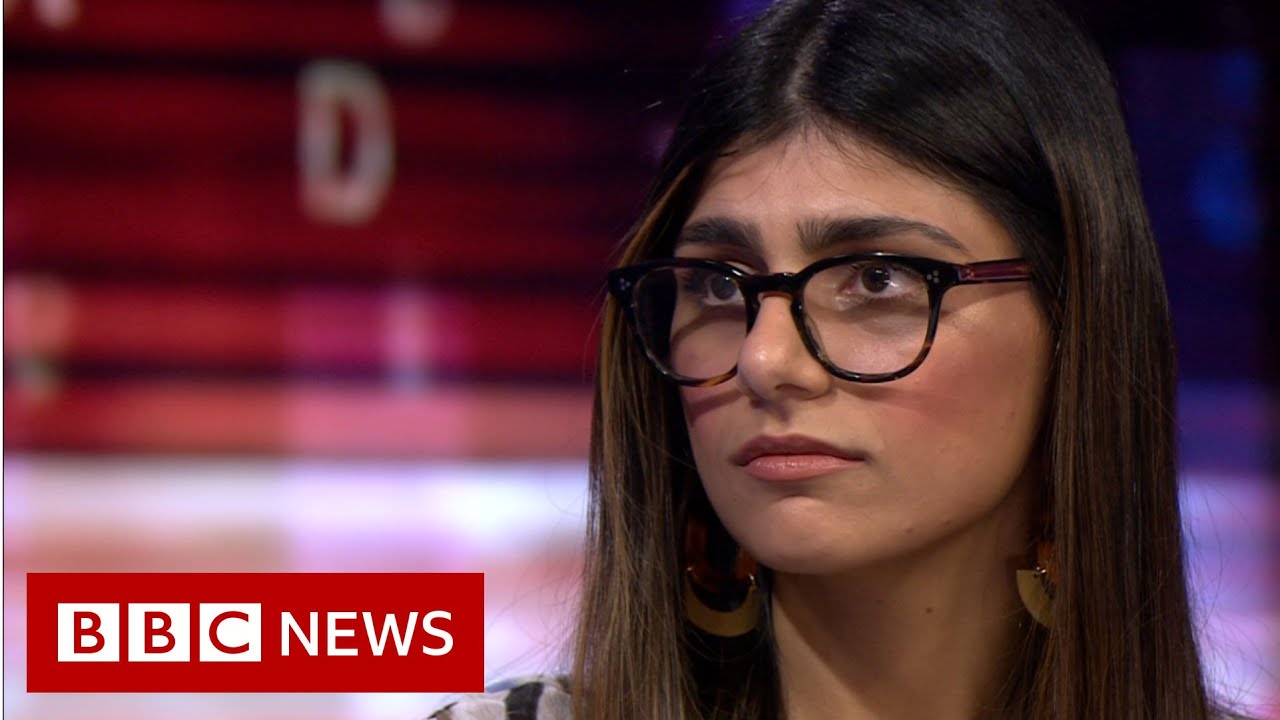
Mia Khalifa sat down with BBC HARDtalk to explain why she still won’t let the porn industry’s most notorious moment define her silence.
Five years after a single scene made her the most searched name in adult entertainment, Mia Khalifa faced Stephen Sackur on BBC’s HARDtalk in late August 2019 to explain why she keeps talking about a career that lasted barely three months. The interview, released under the title “Mia Khalifa: Why I’m speaking out about the porn industry,” runs about 30 minutes and pushes past the tabloid headlines into the mechanics of an industry she says chewed her up and moved on. Sackur didn’t let her off easy, pressing her on agency, money, and why she still trades on the same stage name she says ruined her life.
- Khalifa’s adult film career lasted only three months in 2014, but a single video filmed in an Islamic hijab triggered international backlash, including death threats from extremist groups such as ISIS.
- She told Sackur the disparity in the multi-billion-dollar adult industry is stark: corporate distributors collect ongoing profits from footage while performers are paid a modest flat fee upfront and absorb the stigma for years afterward.
- Sackur challenged her directly on why she continues using her adult-film name for her current media and sports commentary work, a point she pushed back on repeatedly.
Three Months, A Lifetime of Fallout
Khalifa walked Sackur through the timeline that most viewers only know in caricature: a brief stint in commercial adult content in 2014 that ended almost as quickly as it began, followed by five years of consequences that show no sign of expiring. She described the hijab scene not as a career highlight but as the moment her name became permanently attached to outrage she never anticipated — threats that, according to her account, escalated to the level of extremist groups naming her specifically.
What struck Sackur, and what Khalifa kept circling back to, is the mismatch between how short her actual filming career was and how long the internet has kept it alive. She framed this as the core problem with the industry’s business model — content doesn’t expire when the performer walks away.
Privacy, Loss, and the Digital Footprint
Much of the interview centered on what Khalifa described as an almost total loss of privacy. She told Sackur she still feels trapped by footage that keeps circulating years after she left the industry, unable to fully separate her current identity from a scene shot when she was in her early twenties. That vulnerability, she argued, is baked into how adult content is distributed online — it doesn’t disappear, and performers have essentially no control over where it ends up or how long it stays there.
She was blunt about the financial imbalance underpinning that lack of control.
Major studios and distribution platforms keep collecting revenue from her scenes indefinitely, she told Sackur, while she and other performers received a one-time payment and kept the reputational damage for life.
Sackur Presses on Agency and the Stage Name
Sackur’s toughest line of questioning went straight at personal responsibility: if Khalifa regrets the industry so much, why does she still use “Mia Khalifa” — the same name from her adult-film days — for her sports commentary and media career now? It’s the obvious contradiction critics raise whenever she speaks publicly, and Sackur didn’t dance around it.
Khalifa’s answer was that the name isn’t a brand she’s clinging to for advantage — it’s simply the one she’s stuck with, since walking away from it entirely was never realistically an option once it had spread across the internet. She argued that abandoning the name wouldn’t undo the videos or the threats; it would just mean losing the platform she now uses to warn other women before they sign anything.
Motivations Behind Her Public Statement
Khalifa framed her public comments less as personal grievance and more as a warning system for younger women considering the industry. She told Sackur she wants to expose how recruitment can target vulnerable women, how little control performers retain once footage is online, and how far removed the finished product is from anything resembling real intimacy. That disconnect between the fantasy sold on camera and the reality behind it, she said, is the piece young viewers and prospective performers alike consistently miss.
It’s a message that echoes broader public reckonings with exploitation in entertainment that surfaced throughout 2019, from the ongoing fallout of the Epstein document unsealing to renewed scrutiny of who profits when women’s images and labor are packaged for mass consumption without their lasting consent.
Sackur closed the interview without resolving the tension he’d spent 30 minutes pressing on — Khalifa still uses the name, the videos are still online, and no amount of HARDtalk cross-examination changes either fact. What changed, by her own account, is that she’s decided the warning is worth more than the silence she kept for the first few years after 2014.


Coronavirus Cases Hit 174,000 Worldwide, Deaths Exceed 7,000
How Kim Jong-un Gets His $500,000 Mercedes | Visual Investigations
Why China Will be the Big Winner of the 2020 Crisis
CNN reporter describes ‘chaos’ as riot police charge protesters
Team Biden releases its plan for America