

 InfoSearched
Georgia becomes the first state to test how fast America can reopen — and the president says the timeline is wrong.
Georgia Governor Brian Kemp announced on April 20, 2020, that his state would begin rolling back its coronavirus shutdown starting that Friday, making Georgia the most aggressive state in the country on reopening. The plan lets gyms, salons, and tattoo parlors resume business within days, even as public health officials warn the virus is still circulating. Two days later, President Trump publicly broke with Kemp over the timing, turning a state economic decision into a national flashpoint.
- Elective medical procedures resumed immediately under Kemp’s order, with gyms, fitness centers, bowling alleys, body art studios, barbershops, hair salons, nail salons and massage therapists cleared to reopen Friday, April 24; dine-in restaurants, private clubs and movie theaters follow on Monday, April 27, while bars, nightclubs, amusement parks and live venues stay shut.
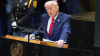
- President Trump broke publicly with Kemp at a White House briefing on April 22, saying he “strongly disagree[d]” with the decision and that it was “too soon” to reopen close-contact businesses like spas and beauty parlors.
- The order requires reopening businesses to follow “Minimum Basic Operations” — fever and symptom screening, six feet of social distancing, staggered shifts and PPE — and it overrides stricter local rules, drawing objections from Atlanta Mayor Keisha Lance Bottoms.
The Reopening Timeline
Kemp built his case around plateauing hospitalizations, expanded testing capacity and the mounting toll on small businesses and workers, arguing Georgia was on pace to satisfy the Phase One gating criteria in the White House’s own coronavirus guidelines. The rollout is staggered by design: personal care and recreation businesses first, then dine-in restaurants and theaters three days later, with the highest-risk venues — bars, nightclubs, amusement parks, live performance halls — left closed for now. That sequencing was meant to signal caution, but critics focused instead on the fact that barbershops, nail salons and massage therapists, all businesses built on sustained physical contact, were first in line.
The Trump-Kemp Rift
The controversy escalated sharply on April 22 when President Trump used a White House briefing to distance himself from a governor of his own party. He said he was against reopening spas, beauty parlors and similar close-contact businesses on Kemp’s timeline, calling it premature even as Kemp held firm on the April 24 and April 27 dates.
“I disagree strongly with… what they’re doing… it’s just too soon.”
The public rebuke was notable because Kemp had aligned himself closely with the administration’s economic messaging throughout the pandemic, and the split highlighted how divided even Republican leadership had become over how fast to move.
Minimum Basic Operations and the Local Pushback
Every business cleared to reopen under Kemp’s order is bound by a set of “Minimum Basic Operations” rules: screening employees for fever and respiratory symptoms, maintaining six feet of distance where possible, stepping up sanitation, staggering shifts and using masks or gloves when appropriate. Just as significant is what the order does to local authority — it expressly bars mayors and county officials from imposing tighter restrictions than the state’s, a provision that put Kemp in direct conflict with Atlanta Mayor Keisha Lance Bottoms, who warned that restarting close-contact services while the virus was still spreading risked a deadly resurgence. The same tension between state authority and local control was already playing out elsewhere, as seen when protesters flooded the Michigan capitol to challenge Governor Whitmer’s stay-at-home order.
Kemp’s decision also fits into a wider debate over whether the country was reopening on a sound schedule or simply on political pressure, a question raised directly in the ongoing look at whether the US reopened faster than other countries. Public health voices, including Dr. Anthony Fauci, cautioned that moving before testing and contact tracing were fully in place could undo weeks of progress on flattening the curve.
Kemp never walked back the dates. Gyms, salons and barbershops opened their doors Friday, April 24, restaurants and theaters followed Monday, April 27, and Georgia stayed the test case every other governor was watching to see whether reopening early meant a second wave — or just a head start.

Doctor With COVID-19 Describes Symptoms As ‘Pain Everywhere’
In November 2020 It All Comes Together: Riots, Coronavirus, Covid-19, Trump Biden, Social Unrest
President Trump Proposes $500 Million In Checks For Americans
Michigan commissioner censured for attending stay-at-home protest
USC to eliminate tuition for families making under $80,000