

 InfoSearched
Mardi Gras crowds and packed spring break beaches are now filling ICU beds across the South.
Just weeks after New Orleans threw its last parade and college students descended on Gulf Coast beaches, hospitals across Louisiana, Georgia and Florida are bracing for a wave of COVID-19 patients they may not have the beds, ventilators or protective gear to treat. CBS Evening News correspondent Omar Villafranca traveled through the region to document a health care system already buckling under the weight of a surge public health officials say was largely seeded by two events: Mardi Gras and spring break.
- Louisiana Governor John Bel Edwards warned the state’s per-capita infection rate is tracking with northern Italy and New York, and that greater New Orleans hospitals could run out of ICU beds and ventilators by early April.
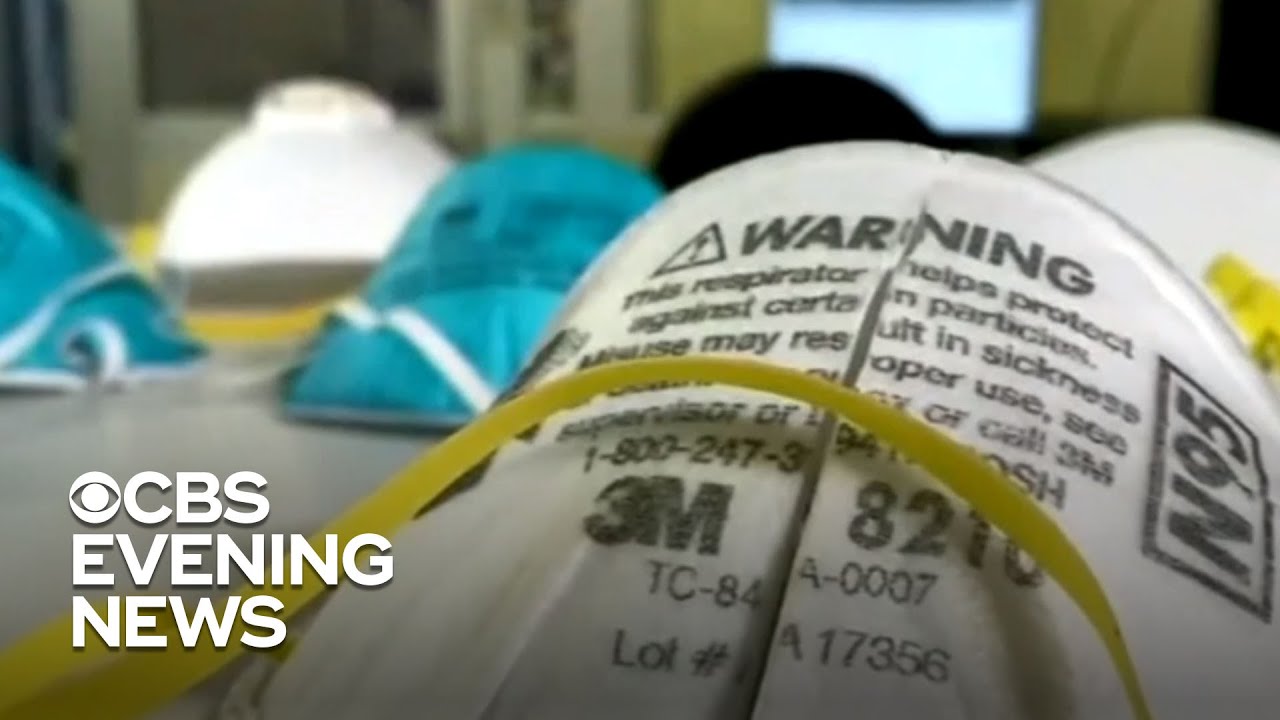
- Edwards issued a statewide stay-at-home order and requested a major federal disaster declaration as ERs report severe shortages of PPE, ventilators and bed space.
- Georgia Governor Brian Kemp deployed the National Guard and ordered medically fragile residents to shelter in place after Albany and metro Atlanta hospitals reported critical bed shortages, while Florida Governor Ron DeSantis faced criticism for declining a statewide shutdown as college students kept crowding beaches.
Louisiana’s Trajectory Toward Crisis
Louisiana has emerged as one of the fastest-growing outbreak zones in the country, and Edwards has been blunt about why. New Orleans’ Mardi Gras celebrations in late February drew massive crowds packed into the French Quarter and along parade routes just as the virus was beginning to circulate undetected. Weeks later, the state’s infection curve is bending upward at a pace Edwards has compared directly to the hardest-hit regions in the world.
That comparison isn’t rhetorical flourish — it’s the basis for his stay-at-home order and his request for a major disaster declaration from Washington. Emergency rooms in the greater New Orleans area are already reporting shortages of personal protective equipment, mechanical ventilators and open beds, the same triage conditions that overwhelmed hospitals in Lombardy and New York City.
Edwards warned that Louisiana’s infection rate per capita was on a trajectory similar to hard-hit northern Italy and New York.
Georgia’s National Guard Response
The strain isn’t confined to Louisiana. In Georgia, hospitals in Albany and the greater Atlanta metro area are reporting critical bed shortages tied directly to community spread, prompting Governor Brian Kemp to activate the National Guard and issue a shelter-in-place order specifically for medically fragile residents. Albany, a city far smaller than Atlanta, has become an unlikely flashpoint after community transmission tied to a funeral gathering weeks earlier began overwhelming its local hospital system.
Villafranca’s reporting frames Georgia’s response as reactive rather than preventative — the National Guard deployment and shelter order came only after bed shortages were already being reported, underscoring how quickly community spread outpaced the state’s initial containment measures.
Florida’s Beaches Stay Open
Florida presents the sharpest contrast in the region. As spring breakers continued congregating on open beaches, Governor Ron DeSantis drew mounting criticism from local officials and epidemiologists for declining to issue a statewide shutdown order. Local leaders in beach communities pushed for closures on their own, arguing that thousands of out-of-state college students mixing in close quarters was accelerating exactly the kind of transmission Louisiana and Georgia were now scrambling to contain.
The state’s fragmented approach — some counties closing beaches, others leaving the decision to DeSantis’s office — left frontline doctors and nurses warning that without a coordinated statewide order, the outbreak already straining Louisiana and Georgia hospitals would simply repeat itself in Florida on a delay. The broader trend of states tightening restrictions as case counts climbed is detailed in several states imposing stricter coronavirus restrictions as infections continue to spike.
Frontline Workers Outline Core Demands
Across all three states, the message from doctors and nurses interviewed for the report was consistent: without urgent federal supplies of PPE and ventilators, expanded surge capacity, and stricter public compliance with social distancing, regional hospitals would soon be completely overwhelmed. The concern echoes what was already playing out in other parts of the country grappling with the same shortages, as covered in California under lockdown as surge of coronavirus cases explodes nationwide.
Edwards’ request for a major disaster declaration is still pending federal action as of this reporting, and Louisiana’s early-April deadline for exhausting ICU capacity in New Orleans is the number every hospital administrator in the state is now watching.









Canada is Quietly Building The Trading Empire Of The World
President Trump says reopening the country will be the “biggest decision” he’s ever made
Why Kim Yo-jong Will Be The Most Powerful North Korean Leader
COVID-19 empties out New York
66% of N.Y. coronavirus hospitalizations are people who stayed home