

 InfoSearched
Scientists racing to find where SARS-CoV-2 came from say the answer is written in the virus’s own genetic code — and the trail leads back to a bat.
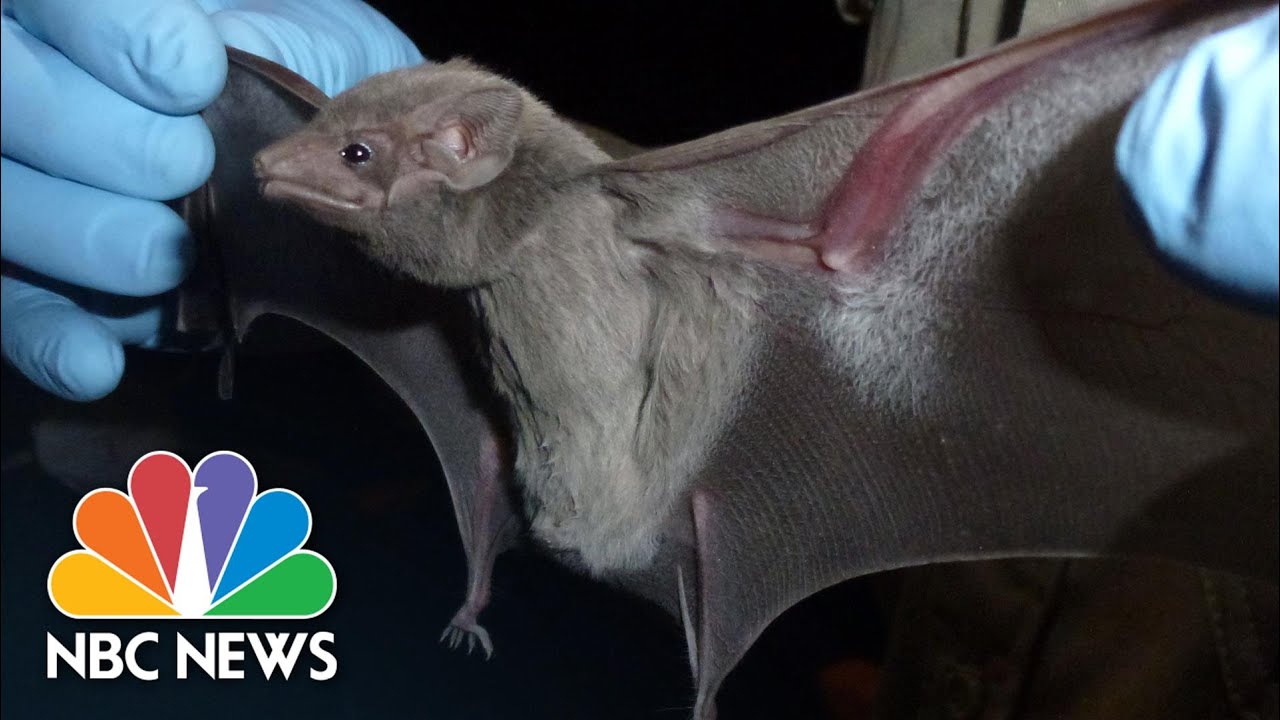
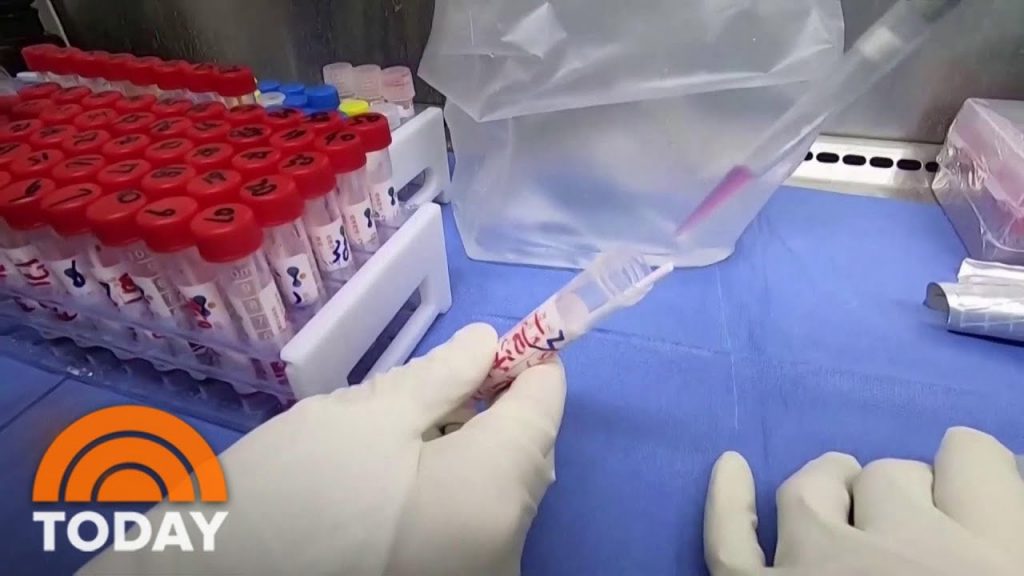
An NBC News NOW segment aired March 11, 2020, took viewers inside a Singapore laboratory where researchers are comparing the genome of the new coronavirus against a library of known bat coronaviruses, trying to pin down exactly how the pathogen jumped into people. The reporting traced the outbreak back to Wuhan, China, and the early December 2019 cluster of cases tied to the Huanan Seafood Wholesale Market, while laying out what genomic sequencing has and hasn’t been able to prove so far.
- Researchers at Duke-NUS Medical School in Singapore, led by bat-virus specialist Prof. Wang Linfa, are comparing genetic sequences from early COVID-19 patients against known bat betacoronaviruses to trace the virus’s animal origin.
- A significant cluster of early infections in December 2019 was linked to the Huanan Seafood Wholesale Market in Wuhan, China.
- By early March 2020, comparative genomic analysis had established that SARS-CoV-2 is a naturally occurring coronavirus, not an engineered one — though the exact intermediate host, such as a pangolin, remained unconfirmed.
Singapore Leads Vital Research Efforts
Duke-NUS Medical School has spent years building itself into one of the region’s premier centers for emerging infectious disease work, and that groundwork put it in position to move fast once COVID-19 emerged. Prof. Wang Linfa, whose career has focused on bat-borne viruses, is among the scientists leading the effort to line up SARS-CoV-2’s genome against the catalog of coronaviruses already documented in bat populations across Asia. That prior research — the kind referenced in reporting on bat-human interface studies funded in China before the outbreak — gave scientists a head start rather than a blank slate.
The approach is straightforward in concept, painstaking in practice: sequence the virus pulled from patient samples, then check it letter by letter against bat coronavirus genomes collected over years of fieldwork. The closer the match, the stronger the case that bats are the natural reservoir. That comparison has already produced a strong signal, even though it hasn’t closed the case entirely.
Wuhan Market Cluster Informs Investigation
The segment revisited the early days of the outbreak, when a cluster of pneumonia cases in Wuhan traced back to the Huanan Seafood Wholesale Market in December 2019. Markets like Huanan, which sold a range of live and wild animals alongside seafood, have long been flagged by public health researchers as high-risk settings for exactly this kind of spillover — close, sustained contact between humans and multiple animal species creates opportunities for a virus to jump species.
That’s why the market cluster matters beyond being a starting point on a map. It points investigators toward the kinds of animals that might have served as a bridge between bats and people, narrowing the search even as the precise species remains unconfirmed.
Bats, Pangolins and the Missing Link
Genomic evidence has been consistent on one point: SARS-CoV-2’s closest known relatives are found in bats. What scientists haven’t nailed down is whether the virus jumped straight from a bat to a human, or passed through an intermediate host first. Pangolins — a scaly, ant-eating mammal frequently trafficked and sold in wildlife markets across Asia — emerged as a leading candidate for that intermediate role, though researchers stopped short of confirming it as the definitive bridge species.
By early March 2020, comparative genomic analysis showed SARS-CoV-2 to be a naturally occurring coronavirus rather than an engineered one.
That finding mattered as much for what it ruled out as for what it confirmed. With speculation swirling in the early weeks of the outbreak, the genomic data gave researchers a factual anchor: this was a spillover event, the kind nature has produced before with SARS and MERS, not a laboratory construct.
Bridge Species Search Remains Crucial
Pinpointing the exact animal pathway isn’t an academic exercise. Scientists interviewed for the segment stressed that mapping the bat reservoir and identifying the intermediate host — if one exists — could speed up development of treatments and diagnostic tools, and just as importantly, help prevent the next spillover before it starts. Markets that mix live wild animals with dense human traffic, like the one in Wuhan, sit at exactly the intersection researchers are most worried about, a pattern that echoes broader concerns raised in coverage of unusual animal behavior reported across China as the outbreak spread.
Wang Linfa’s team and collaborating labs worldwide were still working through that puzzle as of this reporting, running sequence comparisons that narrow the field of suspects even without producing a final answer. The bat reservoir is established. The bridge species is the piece still missing — and closing that gap is the next milestone everyone tracing this outbreak is racing toward.





Mike Bloomberg drops out of 2020 race
3 Top Health Officials Self-Isolate After Coronavirus Cases Inside White House
18 People Contract COVID-19 After 30th Birthday Party
President Trump extends coronavirus guidelines until April 30th
Canada is Quietly Building The Trading Empire Of The World