

 InfoSearched
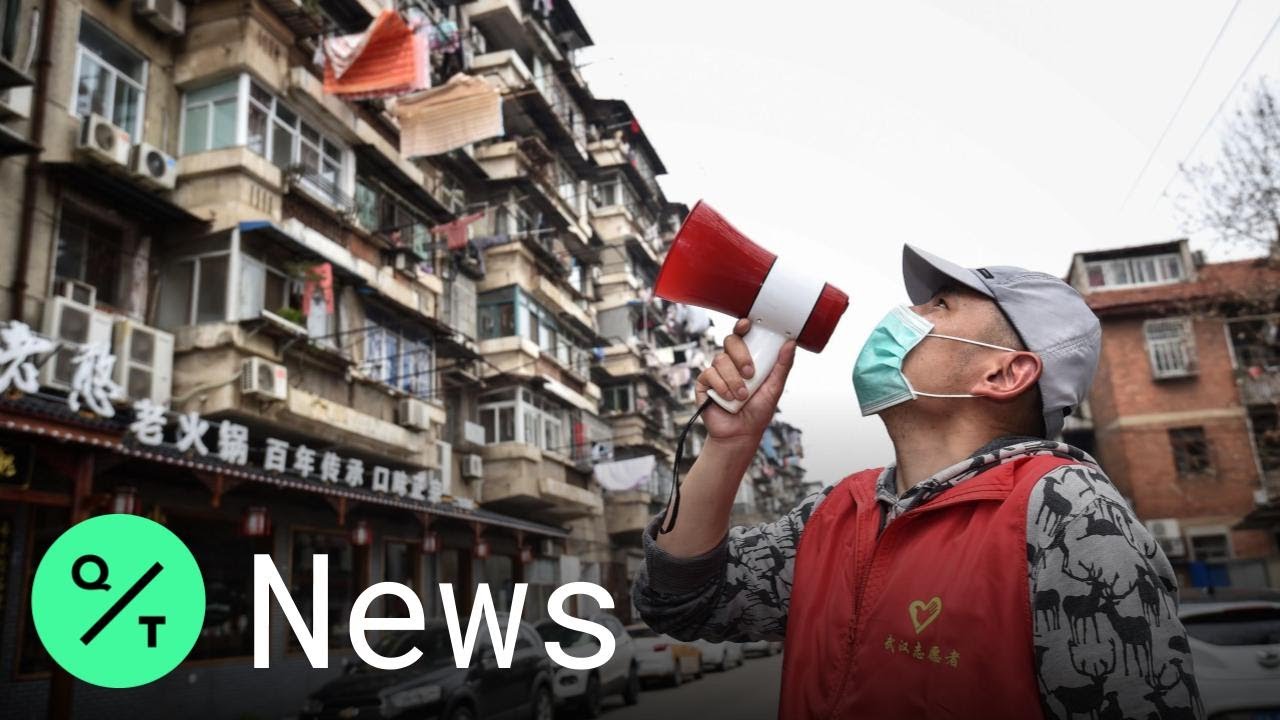
Wuhan, the city that gave the world its first images of empty streets and sealed apartment blocks, is finally getting a reopening date.
Chinese authorities announced Tuesday that the mass quarantine across Hubei province will soon end, with April 8 set as the day travel restrictions lift on Wuhan, the provincial capital of 11 million people where the coronavirus outbreak first emerged in late December. The announcement, posted on the Hubei provincial government’s website, also confirmed that curbs on movement across the rest of the province will ease even sooner — beginning at midnight on March 25 for residents holding a green health code showing no contact with confirmed or suspected cases.
- Wuhan’s lockdown, imposed January 23, will lift April 8 — more than two months after outgoing flights, trains and highway travel were completely suspended.
- Hubei reported zero new domestic infections on March 19, down from a peak that helped drive China’s total past 80,000 confirmed cases and more than 3,200 deaths.
- Wuhan has already begun testing bus routes and rail stations to restore transport infrastructure ahead of the reopening.
The Lockdown That Sealed a City of 11 Million
When Chinese officials shut Wuhan down on January 23, it was an unprecedented move for a city that size — outgoing flights grounded, train service halted, highway checkpoints thrown up, and public transit shuttered entirely. Residents across Hubei were confined to their homes for weeks, with grocery runs and medical trips among the only permitted reasons to step outside. The scale of the shutdown, covering a province of some 58 million people, had no modern precedent for a country trying to contain a fast-moving respiratory virus.
That kind of isolation produced the eerie footage that circulated worldwide of a metropolis gone silent — a preview of what dozens of other countries would soon impose on their own populations. Around the same period, reports of Beijing streets turning into a virtual ghost town underscored just how thoroughly China’s major cities had gone still.
Zero New Cases and a Path Back Open
The decision to ease restrictions didn’t come out of nowhere. Hubei authorities reported reaching zero new domestic infections on March 19, a striking turnaround from the daily surges that had driven China’s outbreak past 80,000 confirmed cases and more than 3,200 deaths nationwide. That single data point — five straight days without a new locally transmitted case by the time of Tuesday’s announcement — became the benchmark officials pointed to in justifying the reopening timeline.
Hubei reported new infections dropped to zero on March 19 — a dramatic plunge from the height of an epidemic that had infected more than 80,000 people and killed over 3,200 across China.
With that trend holding, the province moved to a two-stage reopening: the green-health-code travel easing across Hubei starting March 25, followed by the full lifting of Wuhan’s outbound restrictions on April 8. Wuhan has already started testing bus routes and rail stations in preparation, according to Reuters, signaling that the city’s transit system — dormant for two months — is being brought back online in stages rather than all at once.
The Risks China Still Faces
Reopening the epicenter doesn’t mean the threat is gone. Bloomberg News flagged two specific concerns hanging over China’s normalization push: a rising tide of imported COVID-19 cases arriving from travelers abroad, and the harder-to-track danger of asymptomatic carriers who show no symptoms but could still seed a second wave once manufacturing and transport fully resume. Chinese health officials have been explicit that the zero-new-case milestone applies to domestic transmission — it says nothing about infections crossing the border as the rest of the world’s outbreaks accelerate.
That tension — declining domestic case counts against a global pandemic still gathering steam everywhere else — is why officials chose a gradual, staggered timeline instead of an immediate, all-at-once lifting. Millions of workers, students and families in Hubei have been waiting since late January for exactly this kind of announcement, but the province is easing the door open rather than swinging it wide.
The Reality of Reopening Processes
For residents holding a green health code, movement within and out of Hubei begins at midnight March 25. For Wuhan itself, the outbound travel ban — the flights, trains and highway restrictions that defined the city’s isolation since January 23 — stays in place until April 8. In between, expect rail stations and bus routes to keep running limited test service, a sign that the city is rebuilding its transit network piece by piece rather than flipping a switch.
None of this resets Wuhan to how it looked before December. It marks the point where the city that absorbed the first and hardest blow of the outbreak starts, cautiously, letting people leave again.







Inside the wildfires devastating the Pacific Northwest
How Coronavirus Could Slow Down Amazon Deliveries
What It’s Like to Be Stung by a Murder Hornet
Jonathan Turley: ‘This is wrong,’ being mad is no basis for impeachment
Cattle Rancher Warns About the Meat You’re Buying