

 InfoSearched
Federal agents finally caught up with Jeffrey Epstein’s longtime confidante at a hideaway in the New Hampshire woods.
Ghislaine Maxwell spent months out of public view after Jeffrey Epstein’s death, but on the morning of July 2, 2020, the FBI tracked her down at a secluded 156-acre estate in Bradford, New Hampshire, and took the 58-year-old British socialite into custody. Within hours, attorney Brad Edwards, who represents more than 50 alleged victims of Epstein, was in front of cameras calling the arrest a milestone years in the making. The case now moves to a federal courtroom in Manhattan, where Maxwell faces a six-count indictment tied directly to Epstein’s abuse network.
- FBI agents arrested Maxwell on July 2, 2020, at a secluded New Hampshire estate; she was remanded without bail into U.S. Marshals custody for transfer to New York.
- A six-count federal indictment unsealed in the Southern District of New York charges her with conspiracy, enticement of minors, and perjury, covering alleged conduct from 1994 to 1997 in Manhattan, Palm Beach, and New Mexico.
- It is the first criminal case brought against a member of Epstein’s inner circle since he died in federal custody in August 2019.
An Attorney Who’s Been Waiting for This Call
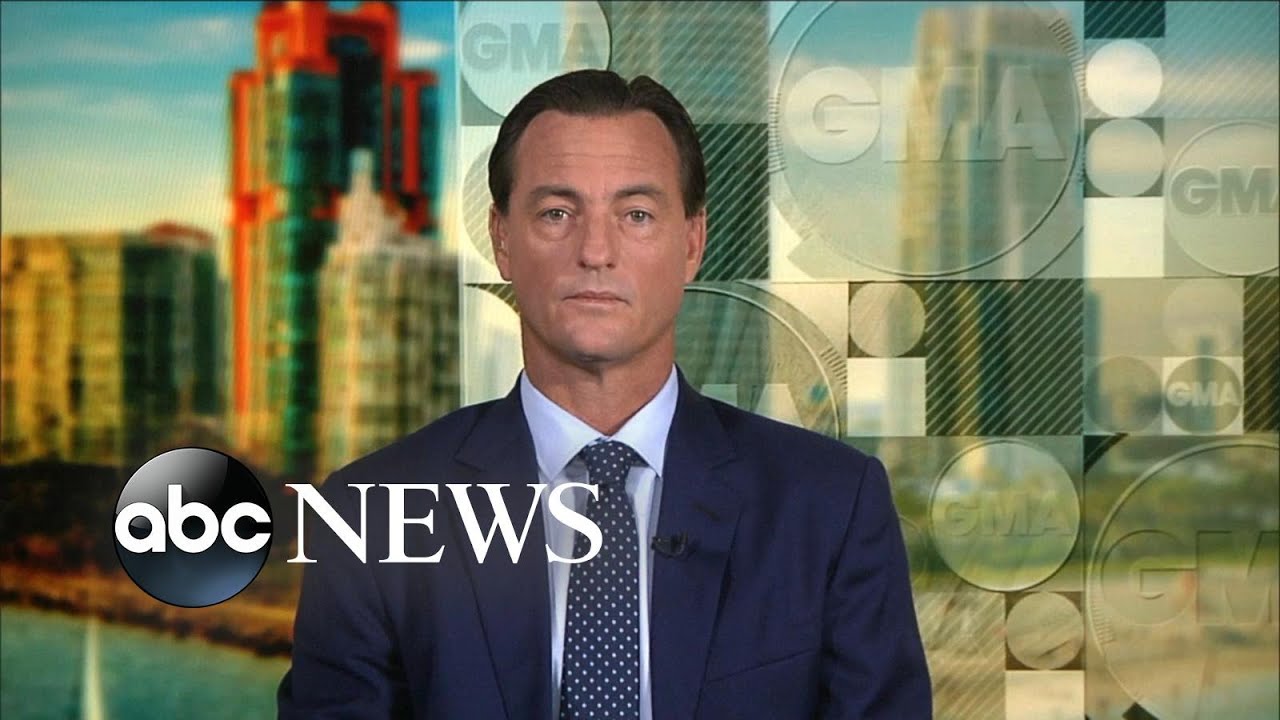
Brad Edwards has spent years building civil cases on behalf of Epstein’s accusers, and he didn’t hide his satisfaction when Maxwell’s arrest broke. He framed it as validation for survivors who had watched Epstein die in his cell in August 2019 with no one else facing charges for what happened to them. According to Edwards, the arrest brings those victims one step closer to justice after a long, frustrating wait for accountability to reach beyond Epstein himself.
Edwards described Maxwell’s apprehension as the moment legal teams and survivors had spent years working toward — proof that her central role in Epstein’s operation would finally be tested in a courtroom.
The Charges Laid Out in Manhattan
Prosecutors in the Southern District of New York allege Maxwell helped Epstein recruit, groom, and sexually abuse girls as young as 14, in some instances participating in the abuse herself. The indictment covers a three-year window, 1994 through 1997, spanning properties in Manhattan and Palm Beach as well as a location in New Mexico. Acting U.S. Attorney Audrey Strauss called the charges a crucial continuation of the broader Epstein prosecution, one that had stalled after his death.
FBI Assistant Director-in-Charge William Sweeney was more pointed, saying Maxwell had gone into hiding to preserve a life of privilege rather than face what she allegedly helped orchestrate. That framing matters, because it signals investigators view her disappearance from public life not as innocence but as evasion — a theme prosecutors are likely to lean on as the case proceeds. Readers following the earlier unsealing of documents in the Maxwell case will recognize how long this legal groundwork has been building.
From a New Hampshire Courtroom to New York
Maxwell made a brief initial appearance by video before a federal magistrate judge in New Hampshire before being remanded without bail. She’s now in the custody of the U.S. Marshals Service, which is handling her transfer to New York to face the SDNY indictment directly. There was no bail hearing outcome to report beyond the remand — prosecutors moved quickly to keep her in federal custody rather than risk another disappearance like the one that kept her hidden for the better part of a year.
This Legal Case Holds Significant Weight
Epstein’s death in August 2019 left his accusers with a defendant who could never be tried, and it fueled speculation that no one else in his circle would ever answer for what prosecutors say was a sustained operation to recruit and abuse minors. Maxwell’s arrest changes that calculus. For attorneys like Edwards and the survivors he represents, it’s the first real test of whether the Justice Department intends to pursue everyone who allegedly enabled Epstein, not just the man himself. Coverage of Maxwell’s case has continued to develop since her arrest, including reporting on new details emerging after she was taken into custody.
Maxwell’s transfer to New York sets up an arraignment in the same Manhattan courthouse where Epstein himself once faced trafficking charges, and Edwards has made clear he expects the case to draw out testimony that reaches well beyond the six counts already filed. For the victims he represents, the next marker to watch is simple: whether Maxwell, unlike Epstein, actually makes it to a jury.



California Town Pushes Back Against Planned Coronavirus Quarantine Center
Several states imposing stricter coronavirus restrictions as infections continue to spike
Coronavirus Spreads Before Symptoms Show
Why China Will be the Big Winner of the 2020 Crisis
How Coronavirus Could Slow Down Amazon Deliveries