

 InfoSearched
Georgia just became the first state to bet its economy could reopen before the virus curve does.
Governor Brian Kemp cleared gyms, hair salons, barbershops, nail salons, bowling alleys and tattoo parlors to reopen Friday, April 24, with elective medical procedures resuming the same day. Movie theaters and limited dine-in restaurant service follow on Monday, April 27. The move makes Georgia the first state in the country to launch a major reopening push during the pandemic — and it’s put Kemp in a public standoff with President Trump.
- Kemp allowed gyms, salons, bowling alleys and tattoo parlors to reopen Friday, April 24, with theaters and dine-in restaurants following Monday, April 27.
- Trump publicly broke with Kemp during two straight White House task force briefings, saying he “disagreed strongly” and that Georgia hadn’t met the 14-day downward trend required for Phase One.
- As of the morning of April 24, Georgia had confirmed more than 22,000 COVID-19 cases and nearly 900 deaths.
Kemp’s Timeline Versus the Federal Playbook
Kemp’s order goes further and faster than almost anywhere else in the country, opening close-contact businesses that require workers and customers to be within arm’s reach for extended periods — exactly the kind of exposure risk the White House’s own gating criteria were designed to guard against. State officials say the plan includes sanitation and social-distancing guidelines for each business category, and Kemp has pointed to expanded capacity — nearly 6,000 tests a day — plus stepped-up contact tracing led by State Public Health Commissioner Dr. Kathleen Toomey as justification for moving now rather than waiting.
The federal gating criteria call for a documented 14-day downward trajectory in new cases or positive tests before a state enters Phase One. Trump made clear during the April 22 and 23 briefings that Georgia hadn’t cleared that bar, telling reporters he wanted to see the numbers moving in the right direction before close-contact businesses reopened.
The Trump-Kemp Rift
What made the moment unusual wasn’t just the substance — it was the source. Trump has spent the pandemic pushing governors to reopen faster, then turned around and publicly criticized one of his most reliable allies for doing exactly that.
“It’s just too soon.”
Trump said he wouldn’t intervene legally and would defer to Kemp’s authority as governor, but he didn’t hide his unease, warning he didn’t want to see infections flare back up in a state that hadn’t yet hit the trend line the White House itself had set as the standard.
Kemp didn’t back down. He tweeted that Georgia’s approach was “measured,” grounded in data and public health guidance, and necessary to protect livelihoods alongside lives — language aimed squarely at the growing chorus of local officials and epidemiologists questioning the timeline.
Local Pushback and a Divided Business Community
Atlanta Mayor Keisha Lance Bottoms has been among the loudest critics of the state’s plan, and public health epidemiologists have warned that reopening close-contact businesses in a state ranking low in per-capita testing raises real risk of a rebound. Georgia’s case count — north of 22,000 confirmed infections and nearly 900 deaths as of Friday morning — sits well above what many public health voices consider a safe baseline for the kind of reopening Kemp authorized.
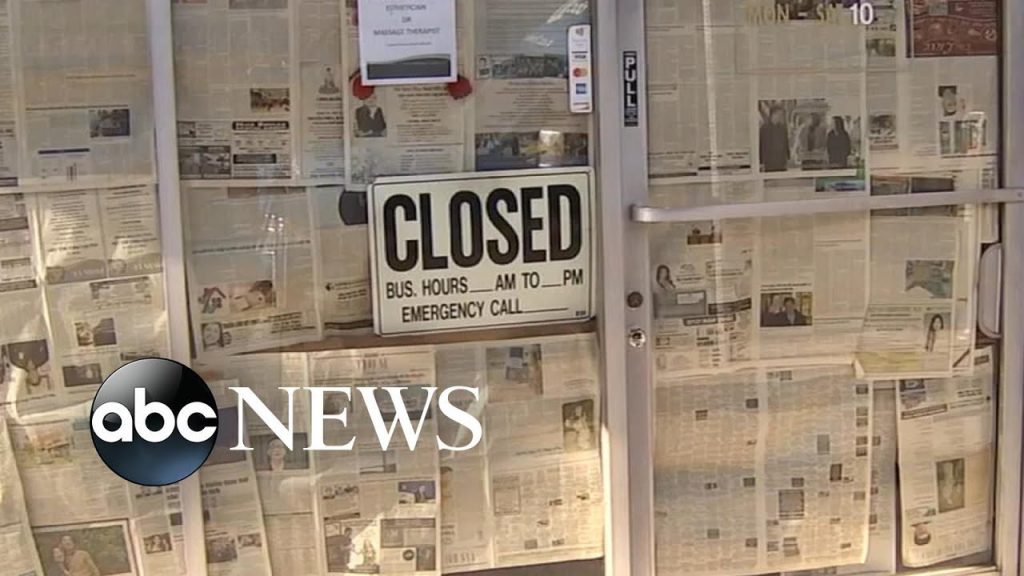
Business owners themselves are split. State clearance to reopen doesn’t mean owners are required to; many gyms, salons and other shops covered by Kemp’s order have opted to stay shuttered rather than risk employee or customer safety, betting that demand and liability concerns outweigh the green light from Atlanta. That divide — some doors open Friday, others staying dark — is likely to be the real story of how Georgia’s experiment plays out over the coming weeks.
Movie theaters and dine-in restaurants get their turn Monday, April 27, and that’s the next real test of how far Georgians are willing to go. If case numbers hold steady or keep trending down over the next two weeks, Kemp gets to say he called it right before anyone else did. If they don’t, the state that moved first becomes the cautionary tale the rest of the country points to.



Europe’s economy is slowing down
How San Francisco Has Kept Its Coronavirus Numbers Low
Democratic candidates reflect on debate performance in their battle for South Carolina
Stimulus Check 2: When will the Next Stimulus Pass?
Elizabeth Warren’s trade plan is economic fantasy: Varney