

 InfoSearched
The video that finally forced Georgia to make an arrest is now driving a federal review of how the case was buried for 74 days.
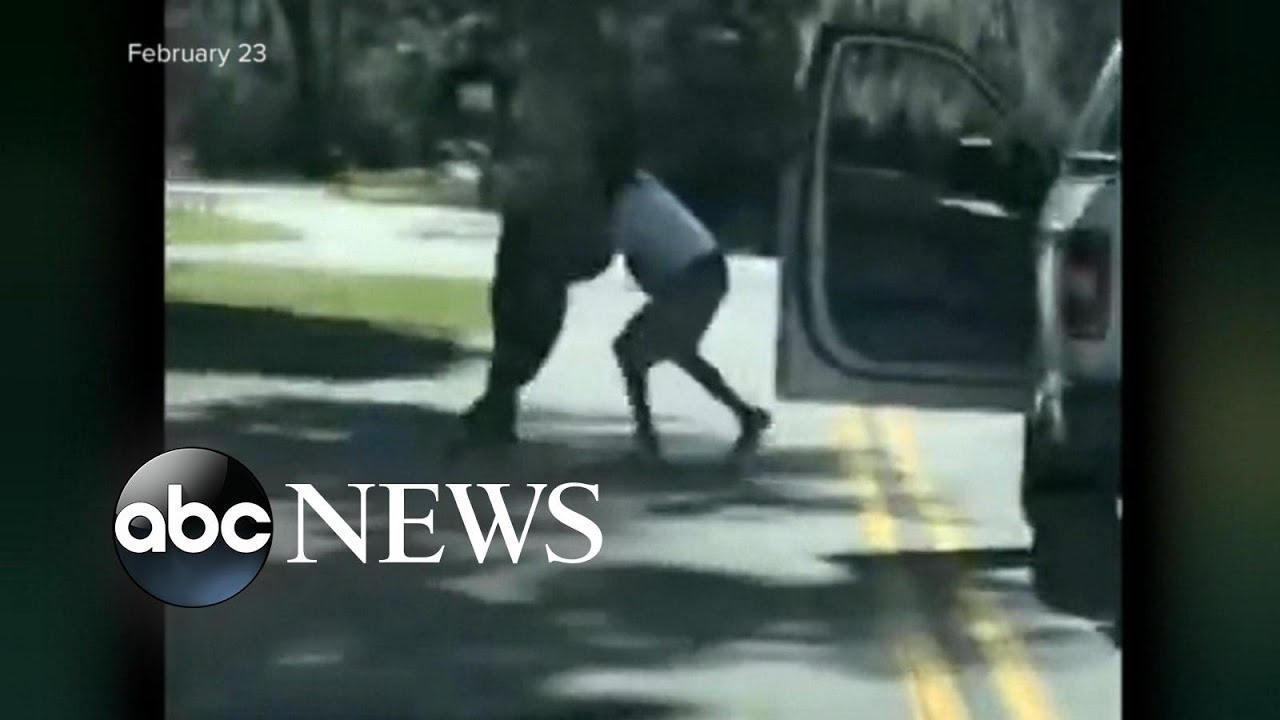
Ahmaud Arbery, a 25-year-old unarmed Black man, was shot dead on February 23 while jogging through the Satilla Shores neighborhood outside Brunswick, Georgia. For more than two months, no one was arrested. Then a cellphone video surfaced on May 5, and within days the case went from a quiet local matter to a national flashpoint with the Department of Justice now being asked to step in.
- The Georgia Bureau of Investigation arrested Gregory McMichael, 64, and his son Travis McMichael, 34, on May 7 — charging both with murder and aggravated assault after a 74-day stretch in which neither man had faced arrest.
- Both McMichaels were denied bond on May 8, days after the public release of graphic cellphone footage shot by neighbor William “Roddie” Bryan showing the armed pair confronting and shooting Arbery after chasing him down in a pickup truck.
- Georgia Attorney General Chris Carr formally asked the U.S. Department of Justice on May 10 to investigate how the case was handled locally, after two separate prosecutors recused themselves over conflicts of interest.
The 74 Days Before an Arrest
Arbery was killed on February 23, but Gregory and Travis McMichael didn’t see the inside of a jail cell until May 7. Under Georgia’s now-repealed citizen’s-arrest statute and self-defense law, the pair claimed they believed Arbery matched the description of a suspect in recent neighborhood break-ins and had pursued him in a truck before the shooting. For weeks, that explanation was enough to keep local authorities from filing charges.
That changed only after Atlantic Judicial Circuit District Attorney Tom Durden formally requested that the GBI take over the investigation on May 5. The bureau opened its probe the next day, May 6, and had both McMichaels in custody within 36 hours — a pace that stood in stark contrast to the two-and-a-half months that had already passed without any arrest at all.
The Video That Changed Everything
The turning point was the public leak of graphic cellphone video on May 5, recorded by neighbor William “Roddie” Bryan. The footage shows the McMichaels, armed, confronting Arbery in the street after chasing him in their truck, ending in the shooting that killed him. Once the clip circulated widely, the case moved from a local dispute over self-defense claims to a matter drawing national outrage almost overnight.
Seventy-four days passed before anyone was arrested for shooting Ahmaud Arbery.
Bryan himself has come under mounting scrutiny. Attorneys for Arbery’s family have pushed authorities to arrest him as well, arguing he acted as an accomplice who helped “corral” Arbery into the McMichaels’ path. Bryan’s attorney has pushed back hard on that framing, insisting his client was an innocent witness who cooperated fully with investigators and was “not a vigilante.”
A Case Riddled With Conflicts of Interest
Part of what fueled the backlash was who had originally been in charge of the case. Brunswick DA Jackie Johnson recused herself — she had previously employed Gregory McMichael as an investigator in her office. The case then passed to Waycross DA George Barnhill, who also stepped aside after it emerged he had already argued, in writing, that the McMichaels’ actions were legally justified under Georgia’s self-defense and citizen’s-arrest statutes.
That pattern of recusals and conflicted early opinions is part of why civil rights leaders and Arbery’s own family have demanded independent oversight rather than leaving the case in local hands. It echoes a broader reckoning happening in police departments and prosecutors’ offices nationwide, similar to the kind of institutional breakdown that led an entire riot squad to resign after an officer’s indictment in a separate case.
The Widening Federal Scrutiny
On May 10, Georgia Attorney General Chris Carr formally requested that the U.S. Department of Justice investigate how the case was handled from the start — a request that followed weeks of pressure from civil rights leaders demanding accountability that went beyond the two local prosecutors who had already recused themselves. Over the weekend of May 9-10, the GBI also confirmed it was reviewing additional surveillance video and photographs showing Arbery entering an open construction site shortly before the shooting, evidence that could bear directly on what happened in the minutes before the McMichaels confronted him.
The scrutiny over how local officials responded — or failed to respond — has drawn comparisons to other instances where law enforcement leadership crumbled under public pressure, including cases like the one where a precinct commander quit in protest over a lack of support from officials.
The GBI says it’s still going through that construction-site footage, and Arbery’s family attorneys aren’t letting up on their push to see Bryan charged alongside the McMichaels rather than treated as a bystander. With the DOJ now weighing in at the state’s own request, the next question is whether federal investigators find the same conflicts of interest that already knocked two local prosecutors off the case.


China Hiding MASSIVE Death Toll from Coronavirus
US launches cyber-attack on Iran amid escalating tensions
U.S. envoy talks Venezuela crisis ahead of international meeting
IMF Sees `Heavy Cloud of Uncertainty’ Hanging Over Global Economy
Fed cuts rates, signaling what’s going on in the global economy