

 InfoSearched
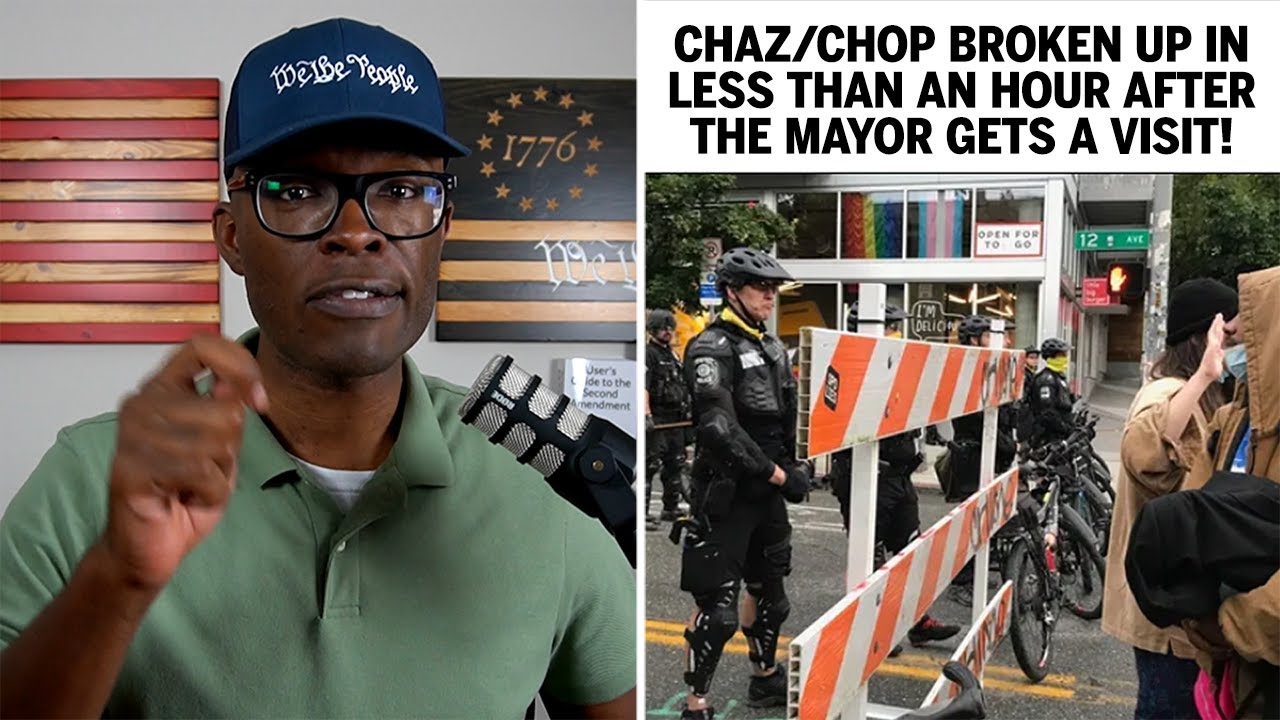
A protest march to the mayor’s own front door is what finally got CHOP cleared out.
For three weeks, Seattle Mayor Jenny Durkan let the Capitol Hill Organized Protest sit inside her city, tolerating an occupied zone that had already produced two homicides. Commentator Anthony Brian Logan’s July 1 video lays out the timeline that shows what actually moved her to act — and it wasn’t the bodies inside the six-block perimeter.
- City Councilmember Kshama Sawant led hundreds of protesters on June 28, 2020, in a march outside the CHOP boundaries directly to Mayor Durkan’s private residence, chanting for her resignation.
- Two teenagers were killed inside the zone in the weeks leading up to the clearance: 19-year-old Horace Lorenzo Anderson on June 20, and 16-year-old Antonio Mays Jr. in an early-morning shooting on June 29 that also critically wounded a 14-year-old boy.
- Durkan signed an executive order in the early hours of July 1, 2020, declaring the CHOP an unlawful assembly and ordering Seattle police, in riot gear, to clear Cal Anderson Park and retake the vacated East Precinct starting around 5:00 a.m.
The March That Reached Her Doorstep
The Capitol Hill Autonomous Zone, first called CHAZ and later rebranded CHOP, had occupied roughly six blocks around Cal Anderson Park and the abandoned East Precinct since June 8, 2020, in the wake of nationwide demonstrations over George Floyd’s death. Durkan had spent weeks defending the occupation publicly and resisting calls to send police back in. That posture shifted fast after Sawant’s June 28 march parked itself outside the mayor’s own house, with protesters demanding she quit.
Durkan pushed back hard on the tactic, pointing out that her home address was protected under a state confidentiality program put in place because of threats she received during her time as a U.S. Attorney. Logan’s video zeroes in on that reaction as the tell: a mayor who could stomach weeks of unrest a few miles from City Hall suddenly found her own street off-limits to the same kind of demonstration she’d allowed to run for three weeks in Capitol Hill.
Two Homicides the City Absorbed
The public-safety case for clearing CHOP had already been building well before protesters reached Durkan’s block. On June 20, 19-year-old Horace Lorenzo Anderson was shot and killed inside the zone. Then, in the early hours of June 29 — the day after the march to the mayor’s house — 16-year-old Antonio Mays Jr. was fatally shot and a 14-year-old boy was critically wounded in a second shooting inside the same footprint, a killing detailed in coverage of Seattle’s handling of the underage victims inside the occupied zone.
Those two homicides, weeks apart, hadn’t been enough on their own to bring police back into Cal Anderson Park. Logan’s argument is straightforward: the deaths of teenagers inside CHOP didn’t move Durkan’s timeline, but a crowd standing on her personal street did.
Durkan’s own home was protected under a state confidentiality program for former U.S. Attorneys who’d received threats — and that’s the address Sawant’s march went looking for.
The Executive Order and the Clearance
Durkan signed the executive order in the early morning hours of July 1, 2020, designating gatherings inside the zone as unlawful assemblies and directing officers to clear Cal Anderson Park and the surrounding streets immediately. Seattle police in riot gear moved in starting around 5:00 a.m., tearing down tents and makeshift barricades, retaking the East Precinct building the department had vacated weeks earlier, and arresting dozens of the demonstrators still on-site.
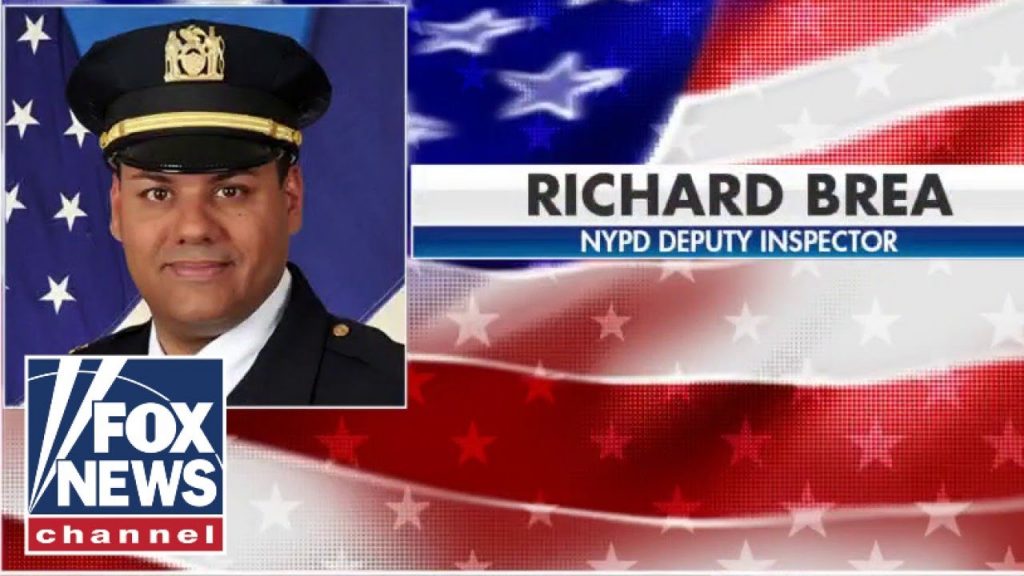
The operation closed out an occupation that had run for roughly three and a half weeks, from its June 8 start through the July 1 sweep — a run that had already drawn comparisons to how other cities were pulling back their own police footprints amid budget and reform fights, echoed in debates like New York’s NYPD budget cuts amid rising violent crime.
Logan’s Reading of the Timeline
Logan’s video doesn’t dispute that CHOP had real problems — the shootings, the barricades, the reports of assaults inside the zone were all on the public record before July 1. What he zeroes in on is the sequence: weeks of homicides produced statements and hand-wringing from City Hall, but a march to one address produced an executive order within roughly 48 hours. He frames Durkan’s sudden urgency as proof that her tolerance for the occupation was never really about weighing public safety against protest rights — it was about how close the disruption got to her own door.
CHOP’s East Precinct sat empty for about three and a half weeks before officers walked back in at 5 a.m. on July 1. Whatever comes next for that stretch of Capitol Hill, the block Durkan cleared fastest wasn’t the one with two dead teenagers in it — it was her own.






‘We’ll starve to death if this continues’
Coronavirus precautions lead to rat problem in New Orleans
Protesters in Moscow, volcano eruption and taekwondo match: World in Photos, July 29
Fareed Zakaria: Boris Johnson is bad for Britain, Europe and the US
GOP Senators Sold Stock After Secret Coronavirus Briefing