

 InfoSearched
A five-star cruise headed for Southeast Asia turned into the largest COVID-19 outbreak outside mainland China.
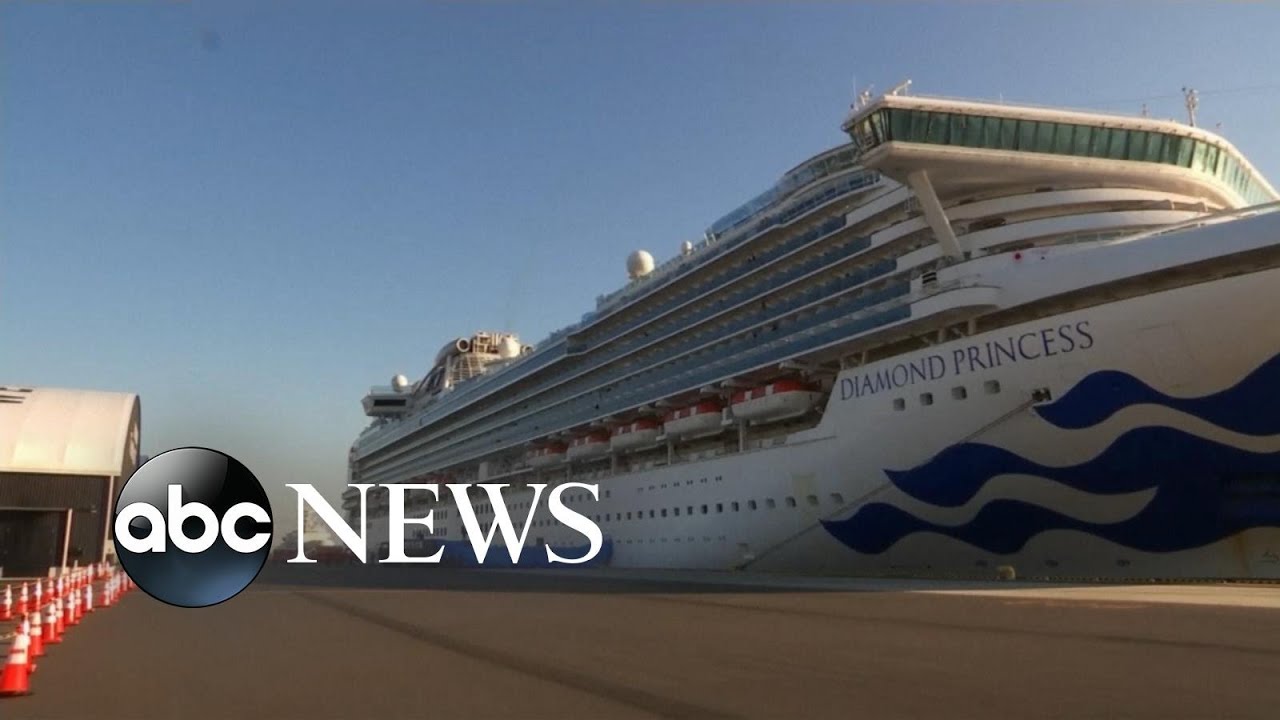
The Diamond Princess, a British-registered Princess Cruises ship, pulled into the waters off Yokohama on February 3, 2020, carrying more than 3,700 passengers and crew. Within days, Japanese health officials had locked the ship into a 14-day quarantine after learning an 80-year-old passenger from Hong Kong who had disembarked weeks earlier tested positive for the virus. What followed was one of the most closely watched — and most criticized — containment efforts of the early pandemic.
- The outbreak traced back to an 80-year-old Hong Kong passenger who left the ship in late January and later tested positive, triggering Japan’s quarantine order on February 5.
- Confirmed cases climbed from 135 on February 10 to more than 600 by mid-February, eventually reaching 712 among the roughly 3,700 people aboard.
- Infectious disease specialist Kentaro Iwata boarded the ship in mid-February and publicly blasted the quarantine’s setup for failing to separate infected zones from clean ones.
The Outbreak Traces to a Hong Kong Passenger
Japanese officials began medical screenings the moment the Diamond Princess arrived off Yokohama on February 3. Two days later, with the first ten cases confirmed, they ordered passengers and crew confined to the ship for a full 14-day quarantine — a scale of shipboard isolation without recent precedent. The single case that started it all belonged to an elderly Hong Kong traveler who had already left the ship before anyone knew he was infected.
From there, containment became a logistical nightmare. Passengers were locked in their cabins around the clock, with meals delivered to their doors and only brief, spaced-out breaks allowed on deck. The scenario echoed the kind of viral-spread anxiety that had already gripped mainland China, where Beijing itself had emptied out like a ghost town as the outbreak spread.
Life Locked Below Deck
American passenger Rebecca Frasure told CNN the experience felt “surreal,” describing it as “like living in a nightmare.” She was separated from her husband for stretches of the quarantine, staying in touch through social media and video calls, and said the isolation brought on genuine cabin fever — “at times it felt like they were in a prison,” she said.
British expat John Wright, writing for the Guardian, called the ordeal “boringly mundane and viscerally frightening.” He said the early days were the hardest, with passengers unsure whether they’d ever be cleared to leave. British passengers Nigel and Vicki Ryde told the BBC they filled the hours with books, movies, and games, and credited the crew for keeping morale from collapsing entirely.
That crew — roughly 1,000 strong — carried the heaviest physical risk. They kept preparing food, running room service, and handling sanitation duties throughout the quarantine while sharing cramped mess halls and living quarters, often with limited personal protective equipment. One crew member told the BBC he “did not know what to expect during the quarantine period,” but was determined to keep doing his job regardless.
A Doctor Sounds the Alarm
The quarantine’s credibility took a hit when Kentaro Iwata, a Japanese infectious disease specialist, boarded the Diamond Princess in mid-February to assess conditions firsthand. What he found alarmed him enough to go public.
Iwata described the ship’s containment protocols as chaotic, warning there was no real separation between infected and uninfected zones — the exact failure that public health officials were supposed to prevent.
His criticism landed as case numbers were already climbing fast, adding pressure on Japanese authorities and foreign governments watching their citizens trapped aboard. Questions about virus origins and containment protocols were already circulating globally, not unlike the scrutiny that later fell on research into how outbreaks like this one begin in the first place.
Cases Spiral and Governments Scramble
Despite the lockdown, the numbers kept rising — from 135 confirmed cases on February 10 to more than 600 within roughly a week, eventually reaching 712 infected passengers and crew, with multiple fatalities among elderly passengers. The scale of the spread inside a sealed ship undercut confidence that the quarantine itself was working as intended.
Foreign governments stopped waiting. Chartered evacuation flights began pulling nationals off the ship on February 16 and 17, sending them into fresh 14-day quarantines back home — including more than 300 Americans repatriated to the United States. Passengers who tested negative started walking off the ship in Yokohama on February 19, and the remaining crew finished their isolation and repatriation by late February, leaving the Diamond Princess empty by early March.
By the time the last crew member stepped off, the ship had gone from a floating luxury liner to the textbook case study in how fast a virus can move through a sealed, shared space — 712 infections traced back to one passenger who’d already left weeks before anyone knew he was sick.









Cannabis boom: Why Oklahoma is a ‘wild wild west’
Seattle Just PURGED The CHAZ After Chazistani Police Kill Underage Black Male, Truly Stupid Times
US Democratic Battle: Presidential candidates debate again
New York City Mayor Bill De Blasio Gives A Coronavirus Update (Live Stream Recording)
N. Korea fires at least three projectiles toward East Sea