

 InfoSearched
A lone Republican witness tells the House Judiciary Committee that anger isn’t evidence.
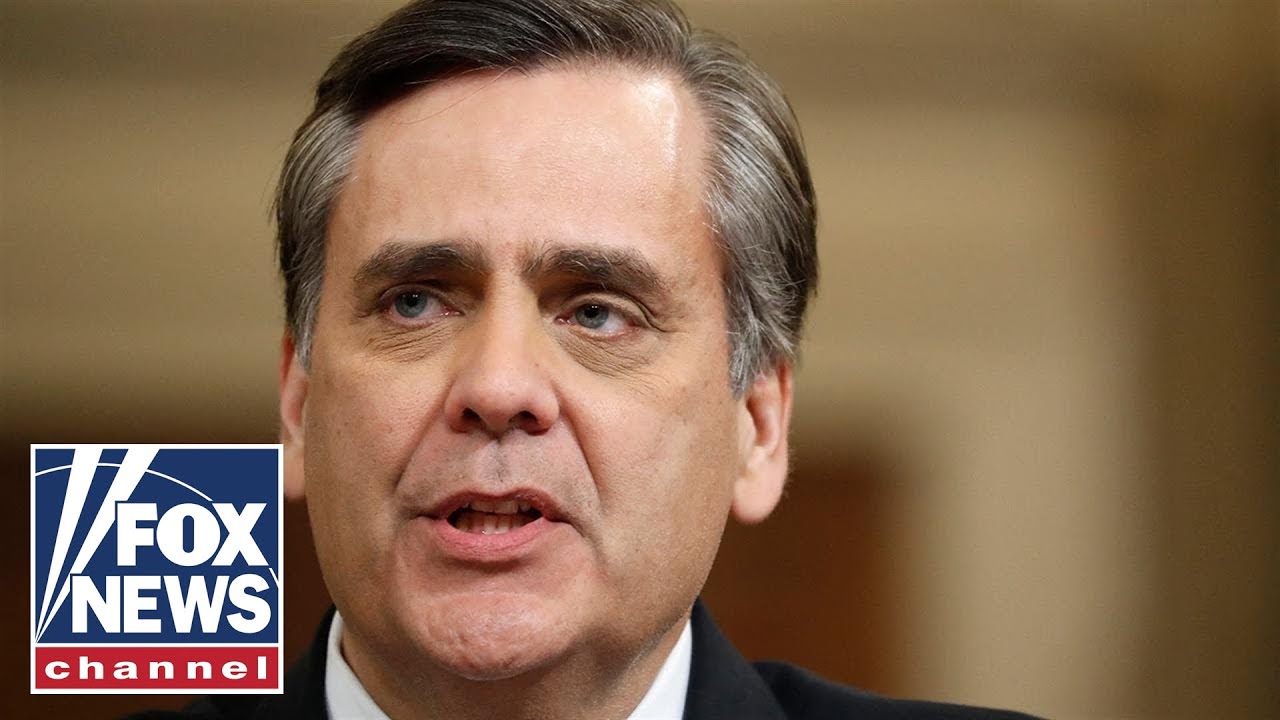
On the morning of December 4, 2019, George Washington University Law School professor Jonathan Turley sat before the House Judiciary Committee as the only constitutional scholar called by Republicans in the first public hearing of the impeachment inquiry into President Donald Trump. Across the witness table sat three Democratic-selected legal experts — Noah Feldman, Pamela Karlan and Michael Gerhardt — as the panel opened formal deliberations over whether Trump’s conduct toward Ukraine rose to a “high crime or misdemeanor.” Turley used his opening statement to warn lawmakers they were about to make history for the wrong reasons.
- Turley was the sole witness invited by Judiciary Committee Republicans, testifying alongside three Democratic-chosen scholars: Noah Feldman, Pamela Karlan and Michael Gerhardt.
- He warned the committee was building the “fastest” and “thinnest” evidentiary record of any modern presidential impeachment, having moved forward without subpoenaing key witnesses or securing court rulings on executive privilege.
- Turley disclosed he did not vote for Trump and called the July 25 call with Ukrainian President Volodymyr Zelensky “inappropriate,” even while arguing the record didn’t support impeachment.
The Core Argument
Turley’s testimony centered on a distinction between political fury and legal proof. He told the committee that emotion was driving a process that the Constitution reserves for evidence, framing the entire hearing as a test of whether Congress could separate the two before acting on the most consequential remedy available against a sitting president.
“I get it. You’re mad. The president is mad. My Democratic friends are mad. My Republican friends are mad. My colleagues are mad. America is mad. Where is that all going? Will a slipshod impeachment make us less mad?”
He didn’t stop at diagnosing the mood in the room. Turley told members directly, “This is wrong,” arguing that anger was being used to justify skipping steps — namely subpoenas for firsthand witnesses and a judicial ruling on executive privilege disputes — that previous impeachment inquiries had treated as non-negotiable.
A Veteran of the Clinton Hearings
Turley’s credibility with the committee rested partly on history: he had testified during the 1998 impeachment proceedings against President Bill Clinton, giving him a direct point of comparison for pace and process. He used that vantage point to argue that the Trump inquiry was moving at a speed no prior impeachment had attempted, without the depositions or court fights that shaped the Clinton and Nixon-era records.
Notably, Turley went out of his way to separate his procedural objection from any defense of the president’s conduct. He stated plainly that he did not vote for Trump in 2016 and was not defending the substance of the July 25 Zelensky call, which he again labeled inappropriate. His objection, he insisted, was narrower and procedural: the House hadn’t yet built a record strong enough to support the step it was preparing to take.
The Precedent Question
Turley’s warning about precedent became the throughline of his testimony. He argued that if the House impeached Trump on the record as it stood — without subpoenaed testimony from central figures or a resolved fight over executive privilege — it would hand future Congresses, regardless of party, a template for impeaching presidents on truncated evidence. That argument echoed broader fights playing out elsewhere in Washington over the boundaries of executive power, themes that have also surfaced in disputes like Congresswoman Alexandria Ocasio-Cortez’s push to impeach Supreme Court Justice Clarence Thomas, where the same tension between political anger and evidentiary standards resurfaced years later.
Turley’s framing didn’t deny that Trump’s call raised legitimate concerns. It insisted that concern alone can’t substitute for the kind of investigative rigor — sworn testimony, litigated privilege claims, a fuller documentary record — that has historically preceded articles of impeachment. That distinction between suspicion and proof would remain central to how the fight over Trump’s conduct was litigated in public for months afterward, a dynamic later echoed in coverage of Trump’s continued disputes with the outcomes of subsequent proceedings against him.
Turley’s opening statement didn’t settle anything in the room that morning — Feldman, Karlan and Gerhardt each pushed back with their own reading of the constitutional standard before the hearing was through. But his line about anger not being a basis for impeachment stuck to the day’s coverage, and it’s the one Republicans kept quoting as the Judiciary Committee moved toward drafting articles the following week.


The Boy Scouts of America files for bankruptcy amidst sexual harassment allegations
Jesse on new Hunter Biden scandal: Laptop ‘from hell’ could bring down Biden
Grocery prices on the rise
Deadly Volcanic Eruption Hits New Zealand Island As Tourists Visit | NBC News
National Guard delivers coronavirus test kits to cruise ship