

 InfoSearched
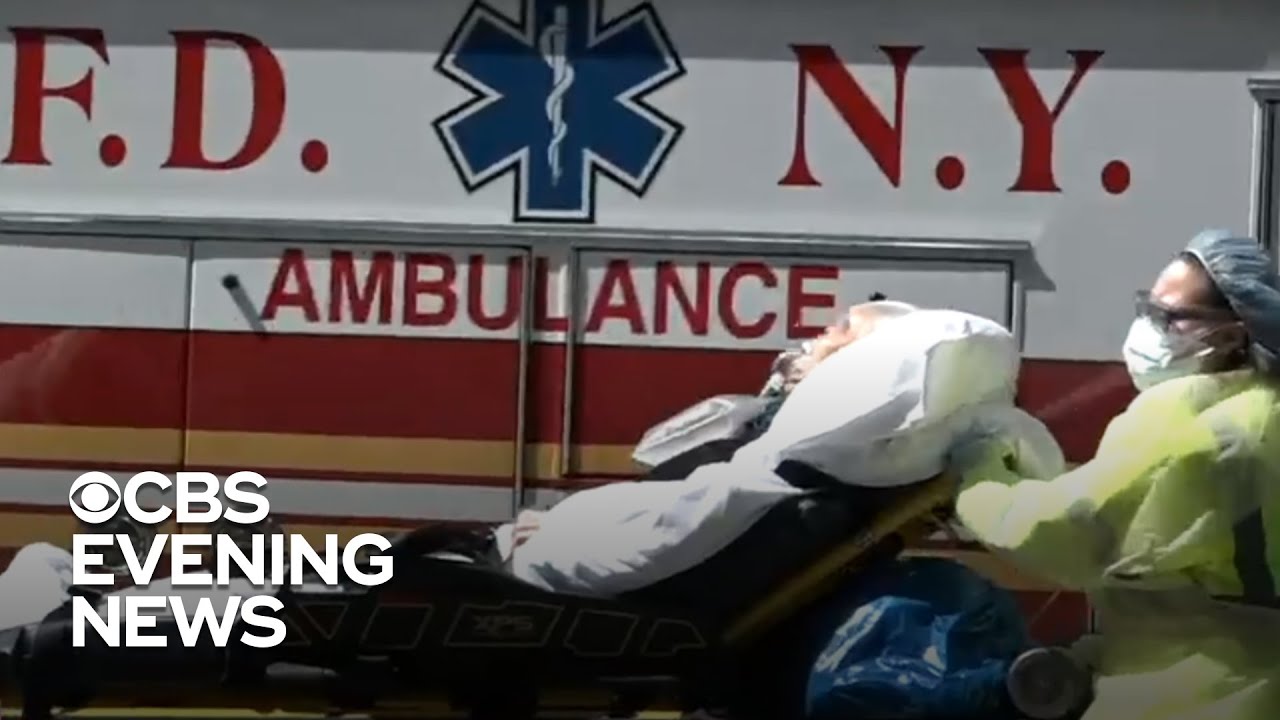
New York City just added nearly 3,800 more names to its coronavirus death toll — without a single new test being run.
On the afternoon of April 14, the New York City Department of Health and Mental Hygiene rewrote the city’s pandemic math overnight. By adding 3,778 “probable” COVID-19 deaths — people who died without ever receiving a lab-confirmed test — the city’s official fatality count jumped from roughly 6,589 confirmed deaths to 10,367 total. It’s the starkest single-day increase since the outbreak began, and it forces a blunt reckoning with how much the virus has actually cost New York.
- The revision retroactively covers deaths between March 11 and April 13, 2020, and adds 3,778 previously uncounted “probable” fatalities to the city’s official tally.
- New York City’s total death toll rose from about 6,589 confirmed deaths to 10,367 once probable cases were folded in — a jump of more than 3,700 in a single announcement.
- The revised count coincided with the U.S. national death toll passing 28,000, reinforcing New York City’s status as the country’s hardest-hit city.
City Redefines Classification of Death
Under the new methodology, health officials began classifying a death as a probable COVID-19 fatality whenever the deceased never got a lab test but their death certificate listed COVID-19, or an equivalent condition, as the cause of death. That’s a meaningful shift from the confirmed-case standard the city had relied on since the outbreak took hold in March, and it immediately swelled the numbers by thousands.
City officials pointed to severe testing shortages as the root cause of the undercount. Hundreds of critically ill residents — many dying at home, inside nursing facilities, or before they ever reached an emergency room — never got swabbed at all. Hospitals and testing sites were buried under a caseload that outpaced their supply of kits, leaving funeral directors and first responders to document deaths that never showed up in any laboratory database.
Health Officials Provide Official Statements
Health Commissioner Dr. Oxiris Barbot acknowledged the number was painful to release but said capturing the full scale of the tragedy mattered more than a cleaner-looking statistic. Her department’s decision effectively conceded that the confirmed-case tally the public had been tracking for weeks was missing a huge share of the real toll.
3,778 probable deaths, added in a single afternoon, pushed New York City’s toll past 10,000.
The gap between hospital-only lab tallies and what funeral directors and first responders were actually seeing on the ground had grown too large to ignore. That gap is what forced the revision, not a new wave of deaths happening that week — it was a correction for deaths that had already occurred but were never logged.
The National Picture
New York City’s new count landed the same day the broader U.S. death toll climbed past 28,000, cementing the five boroughs as the epicenter of the American outbreak. The scale of the correction — nearly 3,800 deaths added at once — illustrated just how much undercounting had likely been happening in other hard-hit states as testing capacity lagged behind the virus’s spread, a dynamic other regions were beginning to grapple with as several states moved to impose stricter coronavirus restrictions amid their own rising infection numbers.
Public health modelers who had been projecting the pandemic’s trajectory took notice too, since a correction of this size meant the real curve of the outbreak looked worse than the confirmed-case data alone suggested — a concern echoed in new coronavirus models predicting a further jump in the death toll nationally.
City officials made clear the count wasn’t necessarily final. With testing still catching up to demand and death certificates for the hardest weeks of the outbreak still being processed, the Health Department signaled it would keep revisiting the numbers as more records came in from hospitals, nursing homes, and medical examiners across the five boroughs.
What Ohio Voters Want In The 2020 Election
California Town Pushes Back Against Planned Coronavirus Quarantine Center
Tucker: What holiday should be canceled next?
Stimulus Check 2: When will the Next Stimulus Pass?
3 Top Health Officials Self-Isolate After Coronavirus Cases Inside White House