

 InfoSearched
Origins Debate Engages Intelligence Agencies
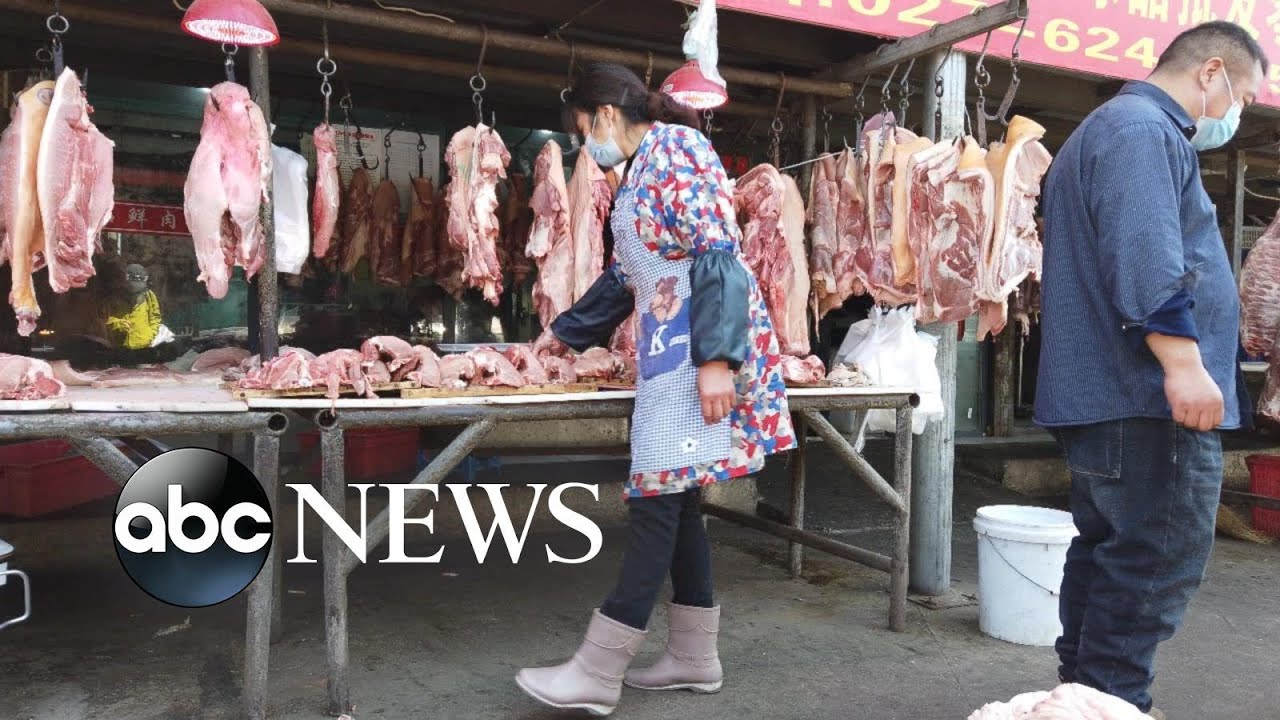
By early May 2020, the debate over how the novel coronavirus first jumped into humans had moved from science journals into the White House briefing room. ABC News Prime tackled the question head-on in a segment titled “Tracking the coronavirus origins,” bringing in former Trump Homeland Security Adviser and ABC News contributor Tom Bossert to walk viewers through what the intelligence community and virologists actually knew — and didn’t.
- Tom Bossert, former Trump Homeland Security Adviser and current ABC News contributor, broke down the intelligence and scientific evidence on the virus’s origins.
- The Wuhan Institute of Virology, located in the city where the outbreak was first documented in late 2019, remained the focal point of scrutiny over lab biosafety and containment.
- Bossert noted the virus’s genetic similarities to coronaviruses found in bats, aligning with the broader scientific view that the pathogen most likely emerged through natural, zoonotic transmission.
Bossert’s Read on the Evidence
Bossert, who ran homeland security and counterterrorism policy inside the Trump White House before becoming an ABC News contributor, used the segment to separate what the genetic data showed from what remained an open intelligence question. He walked through the scientific consensus that SARS-CoV-2 carries genetic markers tying it to coronaviruses circulating in bat populations — the same starting point virologists have used to trace prior outbreaks like SARS and MERS.
At the same time, Bossert didn’t wave off the lab-leak concerns outright. He addressed the biosafety protocols at the Wuhan Institute of Virology, a facility known for studying bat coronaviruses, and the fact that a research accident — rather than a market or wildlife exposure — couldn’t yet be ruled out by investigators working the case from Washington.
The virus’s genetic fingerprint pointed to bats — but the question of exactly how it reached the first human case was still an open file for U.S. intelligence.
Transparency From Beijing Under the Microscope
A major thread of Bossert’s analysis centered on China’s reporting behavior in the earliest weeks of the outbreak. The intelligence community was examining whether Chinese authorities delayed disclosing the scale and timeline of the initial cluster in Wuhan, and whether that lag hampered the world’s ability to respond before the virus spread globally. That question of transparency — separate from the natural-versus-lab debate itself — had become one of the more politically charged elements of the U.S. government’s ongoing review.
Bossert’s comments came as several existing threads to that broader accountability fight were playing out across Washington, including scrutiny of U.S.-funded research collaborations with Chinese labs and the mounting political pressure on federal health officials, a dynamic later detailed in reporting on how bat-human interface research in China was funded to avoid a U.S. outbreak.
Natural Origin Versus Lab Leak
The core of the segment laid out the two competing explanations investigators and scientists were weighing in tandem, not as mutually exclusive dead ends but as parallel lines of inquiry:
- Zoonotic spillover — the virus jumping from an infected animal, likely a bat, possibly through an intermediate species, into a human host, consistent with the genetic similarities researchers had already identified.
- A laboratory-associated incident — a research or containment failure at a facility studying bat coronaviruses, which investigators had not ruled out even as the genetic evidence favored a natural jump.
Bossert framed the science and the intelligence findings as complementary rather than contradictory: the genetic data leaned toward a natural origin, while the intelligence community’s job was to determine the human chain of events — where, when, and how — that got the virus out of an animal reservoir and into circulation in Wuhan.
Chronology Remains Crucial to Investigation
Nailing down the earliest days of the outbreak wasn’t just an academic exercise. U.S. intelligence agencies were reconstructing the outbreak’s timeline to determine whether earlier containment measures — either from Chinese authorities or the international community — could have slowed the virus’s spread before it reached pandemic scale. That accountability question sat alongside separate, ongoing debates in Washington over the administration’s own domestic pandemic response, including how the National Institutes of Health and related health agencies were handling COVID-related funding and guidance during that same stretch of spring 2020.
Bossert’s bottom line for viewers was less about picking a side and more about precision: the genetics said bats, the politics said pressure Beijing for answers, and the intelligence community’s task was closing the gap between those two realities before the next outbreak review board even convened.
Coronavirus: Inside Italy After Country Put On Nationwide Lockdown
Hong Kong LegCo Member Ho: There’s No Attempt by China to Heal the Rift
Don’t buy this car w/out looking under the hood
Tucker: What holiday should be canceled next?
Joe Biden is working from home