

 InfoSearched
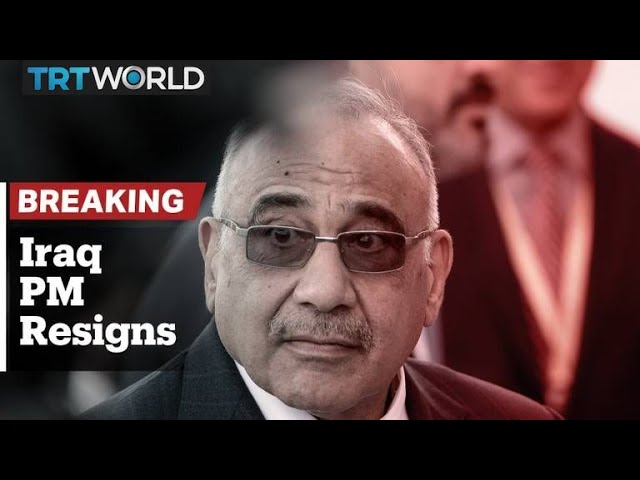
Baghdad’s Tahrir Square erupts as Iraq’s prime minister finally gives in to the street.
Adil Abdul-Mahdi told Iraqis on Friday, November 29, 2019, that he would formally submit his resignation to parliament, ending 14 months in office under the weight of two straight months of anti-government protests. The move came within hours of a pointed Friday sermon from Grand Ayatollah Ali al-Sistani, and just a day after Iraqi security forces killed more than 40 demonstrators in the country’s bloodiest single day since the unrest began.
- Abdul-Mahdi announced he would submit his resignation to the Council of Representatives after Grand Ayatollah Ali al-Sistani’s Friday sermon called on lawmakers to “reconsider its options” regarding the government.
- Thursday, November 28 was the deadliest day of the two-month crackdown, with security forces killing more than 40 protesters in Baghdad and southern cities, especially Nasiriyah, after the Iranian consulate in Najaf was set on fire.
- The protest movement, which began October 1, 2019, has killed roughly 400 people and injured thousands as demonstrators demand an end to corruption, unemployment and failing public services.
The Sermon That Moved the Needle
Sistani doesn’t speak often, and when he does, Baghdad listens. His office delivers a weekly Friday address through a representative in Najaf, and this week’s message was read as a direct signal to parliament that the political class could no longer sit on its hands while body counts climbed. Abdul-Mahdi said in his official statement that he had listened to the cleric’s remarks “with great concern” and decided to step down to “facilitate and hasten its fulfillment” and preserve the country’s stability.
He would submit his resignation to “facilitate and hasten its fulfillment” and preserve national stability.
That’s a notable shift in tone from a prime minister who, for weeks, had resisted calls to step aside even as the death toll mounted. The sermon didn’t order him out — Sistani doesn’t hold formal political power — but in a country where the Shiite religious establishment carries enormous moral weight, it left Abdul-Mahdi and the parliament very little room to keep stalling.
The Deadliest 24 Hours of the Crisis
Thursday’s violence set the stage for what came next. Protesters had torched the Iranian consulate in Najaf, a target that reflected growing anger at Tehran’s perceived influence over Baghdad’s politics, and security forces responded with lethal force in Baghdad and across the south. Nasiriyah bore the brunt of it, part of more than 40 deaths nationwide in a single day — a scale of bloodshed that even by the standards of this uprising stood out.
Those numbers sit on top of a toll that had already been climbing for two months. Since the demonstrations began October 1, roughly 400 people have died and thousands more have been injured, according to figures cited alongside Abdul-Mahdi’s resignation announcement. The grievances behind the marches were never really about one man — corruption, unemployment, crumbling public services and resentment over foreign meddling in Iraqi affairs had been building for years before they spilled into Tahrir Square.
Celebrations in the Square, Caution From Organizers
When the announcement hit Iraqi television, crowds in Baghdad’s Tahrir Square and in cities across the south erupted in celebration — car horns, chanting, people climbing on top of vehicles waving flags. It was the first tangible concession the protest movement had extracted from the government since October.
But organizers on the ground were careful not to call it a finish line. Their argument, echoed in analysis from the Atlantic Council, is that Abdul-Mahdi’s departure only removes one man from a *muhassasa* system — the post-2003 political quota arrangement that divides power among sectarian and ethnic blocs — that protesters blame for entrenching the corruption and patronage they’ve been marching against since day one. Losing the prime minister doesn’t touch that architecture unless parliament goes further.
Baghdad’s Future Outlook
Abdul-Mahdi’s resignation now moves to the Council of Representatives, which has to work through the mechanics of accepting it and identifying a path to a caretaker or successor government — a process that in Iraq’s fractured, quota-driven parliament rarely moves quickly or cleanly. The same street pressure that forced this outcome is likely to keep bearing down on whoever comes next, given that the underlying demands — jobs, functioning services, an end to graft — were never really answered by one resignation.
For now, the number that matters most is the one nobody in Baghdad wants to see rise further: roughly 400 dead since October 1. Whether parliament moves fast enough to keep that number from climbing again is the question hanging over Tahrir Square tonight.




White House directs staff to wear masks after officials contract coronavirus
UN Warns Starvation Tops Virus Risk for Poorest Nations
Jesse on new Hunter Biden scandal: Laptop ‘from hell’ could bring down Biden
What Ohio Voters Want In The 2020 Election
Benjamin Netanyahu may fall short in Israel election l ABC News