

 InfoSearched
The U.S. economy just posted its slowest quarter in over a year, and the White House is already pointing fingers at the Fed.
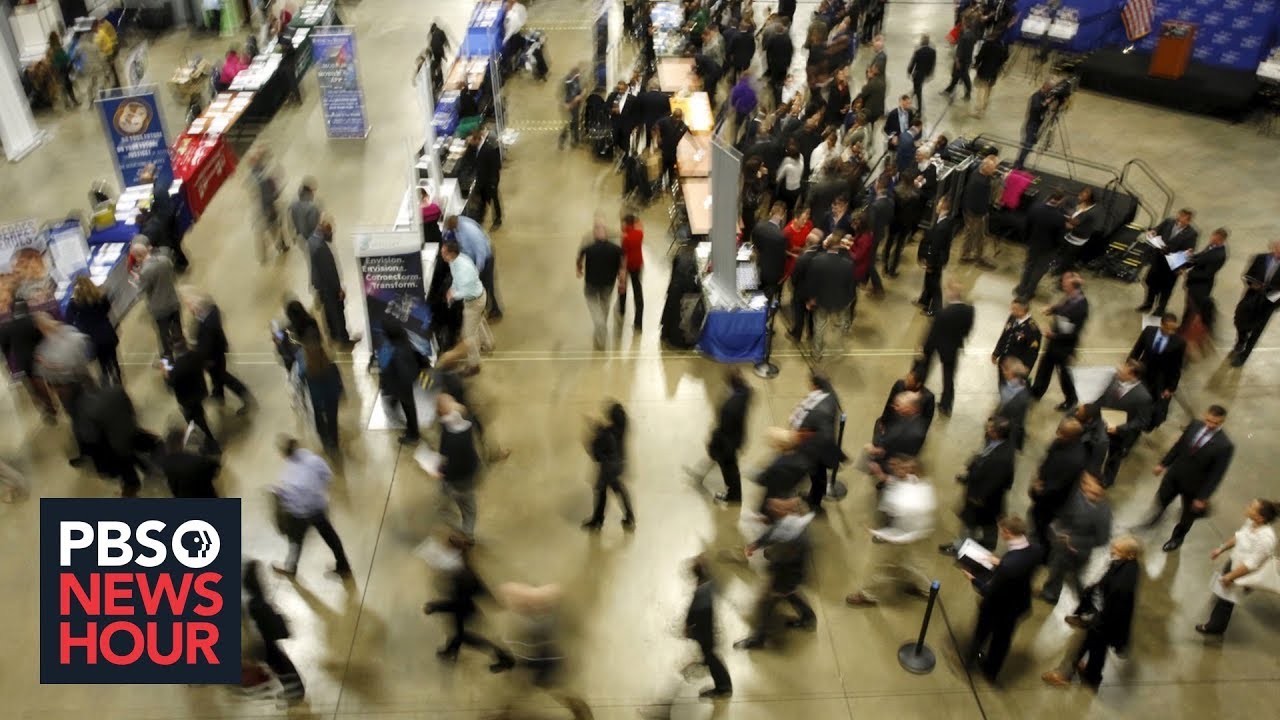
The Commerce Department’s Bureau of Economic Analysis released its advance estimate for second-quarter GDP on Friday, showing the economy grew at an annualized rate of 2.1% from April through June. That’s a notable step down from the 3.1% pace in the first quarter, though it came in slightly better than the 1.8% to 2.0% growth most forecasters had penciled in. The report landed just days before the Federal Reserve’s next policy meeting, adding fresh political weight to an already tense standoff between the White House and the central bank.
- GDP grew at a 2.1% annualized rate in the second quarter, down from 3.1% in the first quarter but ahead of consensus forecasts near 1.8% to 2.0%.
- Nonresidential fixed investment fell 0.6%, marking the first contraction in corporate investment since early 2016.
- Consumer spending accelerated to a 4.3% annualized pace, up sharply from 1.1% in the first quarter, helping offset the drag from trade and investment.
The Numbers Behind the Slowdown
The deceleration traced back to three familiar pressure points: weaker business investment, a pullback in private inventories, and softer exports. All three have been squeezed by the ongoing trade fight with China and the tariffs attached to it, which have made companies more cautious about committing capital and have dented demand for American goods abroad. Federal government spending added a modest offset, but it wasn’t enough to keep the headline number anywhere near the first quarter’s pace.
Business Investment Retreats
The most telling detail in the report was the 0.6% drop in nonresidential fixed investment — the category that captures spending on equipment, structures and intellectual property. It was the first decline of its kind in more than three years, a signal that corporate America is growing more hesitant to expand while tariff uncertainty lingers. That caution is exactly what economists watch for when they try to gauge whether a slowdown is temporary or the start of something longer.
Consumers Keep the Economy Moving
What kept the quarter from looking worse was the American consumer. Household spending jumped to a 4.3% annualized rate, up from just 1.1% in the first quarter, and consumer spending makes up more than two-thirds of U.S. economic output. That surge gave the White House something to point to even as it criticized the overall number, and it’s the reason the 2.1% print beat expectations rather than confirming the sharper slowdown some had feared.
The White House Fires Back at the Fed
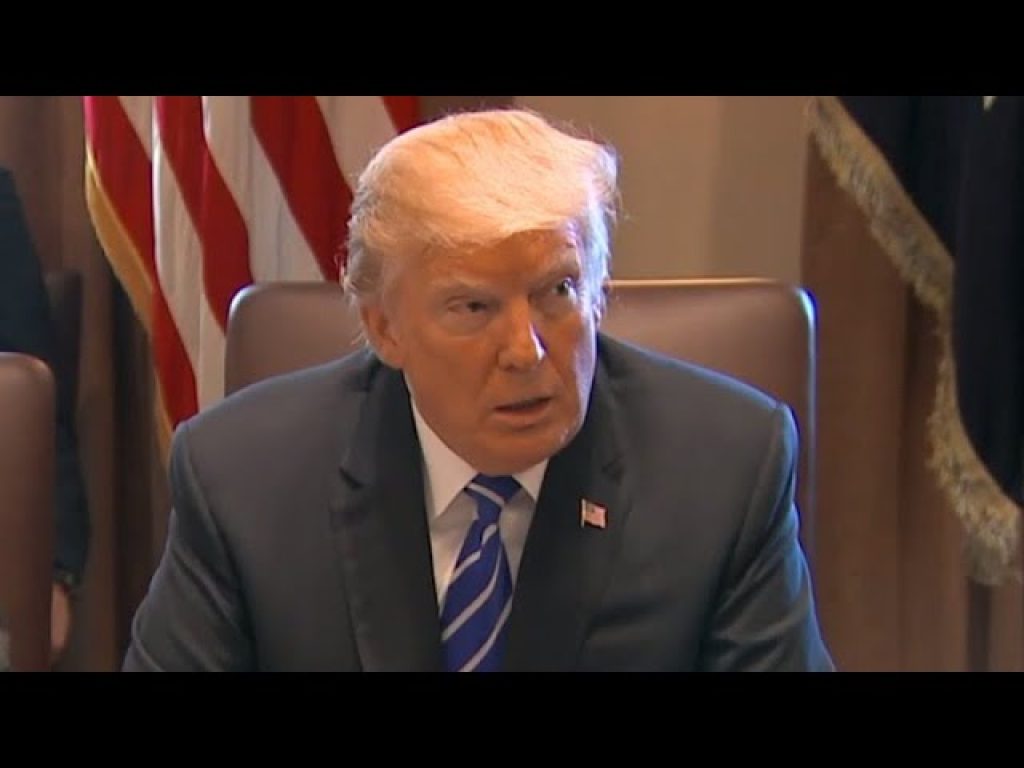
Larry Kudlow and President Trump wasted little time assigning blame, pinning the cooling growth on the Federal Reserve’s earlier interest rate hikes. Trump took to Twitter to hammer the point home, framing the central bank’s policy as a drag on an otherwise strong economy.
An “anchor wrapped around our neck.”
The timing mattered. The report arrived less than a week before the Fed’s scheduled policy meeting, and it only reinforced expectations that policymakers would deliver a quarter-point rate cut — what would be the Fed’s first reduction in more than a decade. The GDP numbers gave Trump fresh ammunition in his ongoing pressure campaign against Fed Chair Jerome Powell, a fight that has run alongside broader economic storylines the administration has tracked closely, including grocery costs and household budgets nationwide.
Hong Kong’s Airport Sit-In
In the same broadcast, PBS NewsHour turned to Hong Kong, where pro-democracy protesters flooded Hong Kong International Airport for a peaceful sit-in, handing out leaflets to travelers in an effort to pull international attention toward their fight against a controversial extradition bill. The demonstration came ahead of another planned weekend march, part of a summer of unrest that had already prompted responses from Washington, including the administration’s decision to end preferential treatment for Hong Kong.
All eyes now shift to the Fed’s meeting, where a quarter-point cut is widely expected to be the central bank’s first reduction in over a decade — the direct policy response to the very slowdown Trump spent Friday tweeting about.



Trump says Democrats would lead U.S. into “economic sinkhole”
NYC mayor warns residents to prepare for shelter-in-place order
The Race To Develop A Coronavirus Vaccine
3 Top Health Officials Self-Isolate After Coronavirus Cases Inside White House
Former Dallas Fed president: Economy doing fine