

 InfoSearched
Trump’s Twitter war with Elijah Cummings buries a GDP number his own campaign wanted to run on.
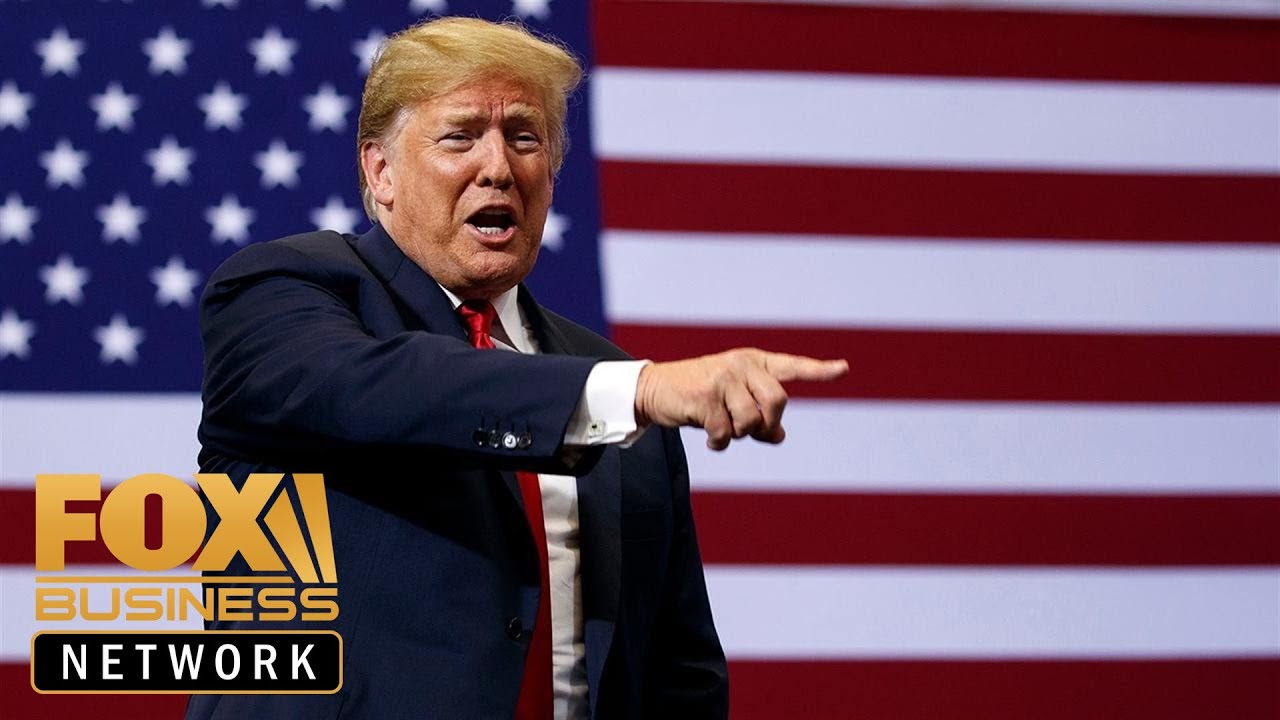
President Trump had a genuinely strong economic story to tell in late July 2019 — and for a few days, almost nobody was listening. Instead, the news cycle locked onto his weekend Twitter attacks on Rep. Elijah Cummings and the city of Baltimore, a fight that Politico’s Gabby Orr says is exactly the kind of self-inflicted distraction Trump’s own advisers wanted to avoid heading into 2020.
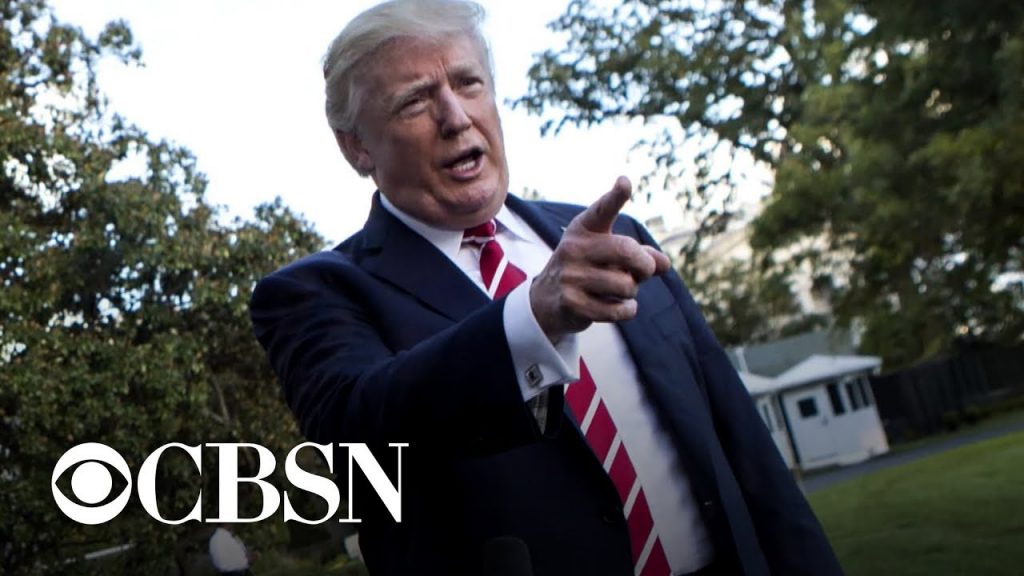
- Trump tweeted Saturday, July 27 that Cummings’ Maryland district was a “disgusting, rat and rodent infested mess” and “considered the worst in the USA,” after Cummings pressed the administration over conditions at the southern border.
- The attack followed clips promoted by Republican strategist Kimberly Klacik and set off days of national backlash that dominated cable coverage.
- Meanwhile, second-quarter GDP came in at 2.1% growth — beating many analysts’ forecasts — with unemployment holding at 3.7%, numbers the White House wanted front and center ahead of a Federal Reserve rate decision and resumed trade talks with China.
The Tweet That Swallowed the News Cycle
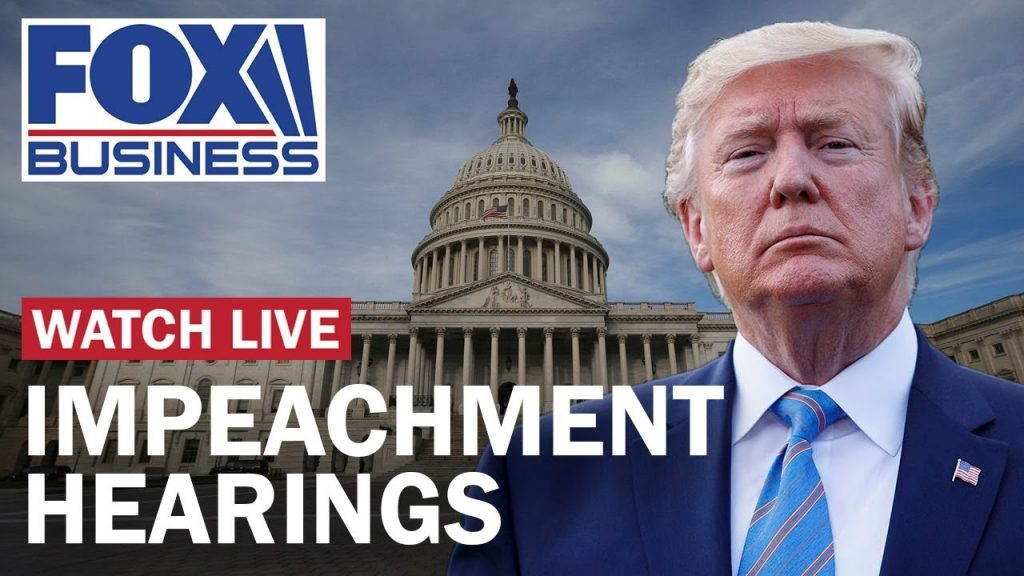
Trump’s Saturday broadside against Cummings didn’t stay contained to Baltimore. Within hours it had pulled in Democratic leaders, local officials, and cable anchors, all responding to a president who had chosen to spend his weekend attacking a sitting congressman’s hometown rather than defending his economic record. Orr, appearing on Fox Business, described a White House increasingly aware that the fight was drowning out everything else the administration wanted to talk about that week.
“Disgusting, rat and rodent infested mess” — the six words that turned a policy dispute over border conditions into a five-day cable news firestorm.
The Numbers Trump Wanted to Talk About
Buried underneath the Baltimore coverage was a jobs and growth picture the White House considers its strongest reelection asset. Gross domestic product expanded at a 2.1% annualized clip in the second quarter, topping expectations that had been dragged down by fears of a broader global slowdown. Job growth stayed steady and unemployment sat at 3.7%, a figure Trump has repeatedly cited on the trail as proof his economic approach is working.
Those figures landed at a delicate moment. The Federal Reserve was weighing an interest rate move, and U.S. and Chinese negotiators had just restarted trade talks after months of tariff escalation. Any one of those threads — the Fed, China, or the GDP print — would ordinarily anchor a week of political coverage on its own.
Trump Allies Expressed Deep Concern
Orr’s reporting captured a specific worry inside Trump’s orbit: that his own rhetoric was the biggest threat to his 2020 pitch, not the Democrats attacking him. Advisers see the economy as the argument that cuts across party lines, and every cycle spent relitigating a Twitter fight is a cycle the campaign doesn’t get to spend on 3.7% unemployment. The Cummings dispute arrived at the worst possible time for that messaging, right as trade friction with Beijing and slower growth signals abroad were already complicating the picture.
The trade angle matters here too — talks with China were only just resuming, and any disruption to that narrative arguably mattered more to markets than a single tweet storm. Readers tracking the broader U.S.-China standoff can see how these disputes tend to ripple into other flashpoints, including tensions like those covered in China’s military posturing near Taiwan, which fed into the same anxious mood about Beijing that summer.
A Pattern the White House Couldn’t Break
This wasn’t a one-off. Trump’s team had hoped the GDP report and the jobs numbers would carry the week’s news cycle on their own merits, the kind of data that normally gets its own segment on the nightly business report and a rundown on the economics pages. Instead, the Baltimore fight ran alongside it for days, with Cummings and Democratic leaders hitting back and Trump refusing to let the story go quiet.
Orr’s bottom line was blunt: the economy is Trump’s best argument for a second term, and he kept stepping on it himself. With the Fed’s rate decision looming and trade talks with China just getting back on track, the next test for the White House was whether it could let a genuinely good jobs report speak for itself — or whether the next tweet would bury it all over again.



Mayor Eric Garcetti says thousands of L.A. city workers to be furloughed
New York Doctor On Front Lines Of Coronavirus Pandemic Dies By Suicide
OH NO JOE! Did Biden Just Have a Stroke Mid-Speech?
Coronavirus: Should I wear a mask to stop the virus?
Did the US reopen faster than other countries?