

 InfoSearched
A 49-year-old ER director who survived COVID-19 herself couldn’t survive the weeks that followed.
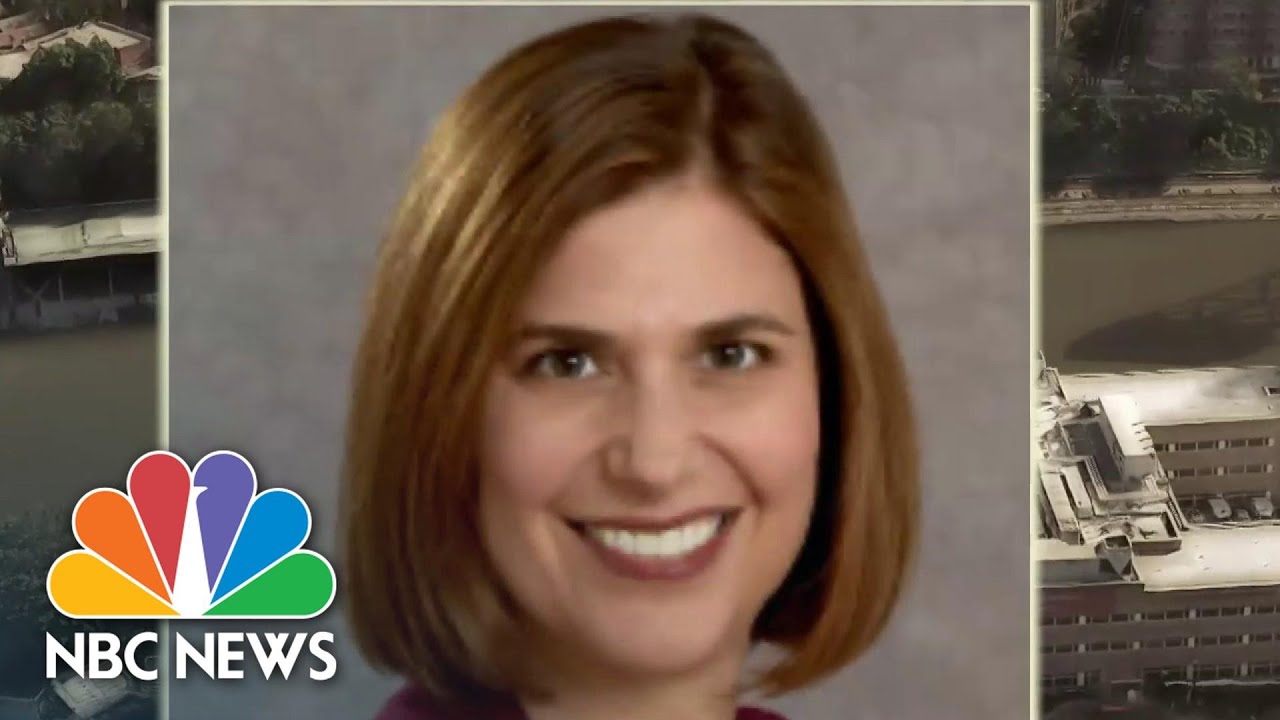
Dr. Lorna M. Breen ran the emergency department at NewYork-Presbyterian Allen Hospital, a 200-bed facility at the northern tip of Manhattan that became one of the epicenters of New York City’s coronavirus surge. She died by suicide on April 26, 2020, in Charlottesville, Virginia, after weeks of treating COVID-19 patients, catching the virus herself, and going back to work anyway. Her father says the job did what the virus couldn’t.
- Breen, 49, was medical director of the ER at NewYork-Presbyterian Allen Hospital, which admitted as many as 170 coronavirus patients at once and recorded at least 59 patient deaths by early April.
- She contracted COVID-19 herself, returned to the ER after about a week and a half of recovery, and was sent home again by the hospital due to exhaustion and emotional strain before her family brought her to Charlottesville.
- Charlottesville Police confirmed she died from self-inflicted injuries after being taken to UVA Hospital; her father, Dr. Philip C. Breen, said she had no prior history of mental illness.
Inside the Allen Hospital Surge
The Allen Hospital sits at the tip of Manhattan, a smaller satellite of NewYork-Presbyterian’s main campus, and by early April it was overwhelmed in a way few emergency departments in the country had experienced. Records described as many as 170 virus patients admitted at once, with at least 59 patient deaths tallied that early in the outbreak. That was the environment Breen ran as medical director, the same weeks the death toll projections that circulated nationally kept climbing.
Her father recounted the scenes she described to him: patients dying in waiting rooms and hallways before they could even be wheeled out of the ambulances that brought them in. There was no lull between shifts, no clear end point, just a continuous stream of critically ill patients arriving faster than staff could process the ones already there.
Getting Sick, Then Going Back
Breen contracted COVID-19 while treating patients at the Allen. She took roughly a week and a half to recover, then returned to the emergency room rather than staying out longer. It wasn’t a short absence followed by a full recovery — it was a doctor going back into the same overwhelmed department that had infected her in the first place.
The hospital ultimately sent her home again, this time not because of the virus but because of exhaustion and emotional strain. Her family stepped in at that point, bringing her to their home in Charlottesville, Virginia, away from the hospital altogether.
Her Father’s Notable Remarks
Dr. Philip C. Breen, himself a physician, was direct about what killed his daughter. He said she had no history of mental illness before this and that the crisis itself was the cause.
“She tried to do her job, and it killed her. She was truly in the trenches of the front line. Make sure she’s praised as a hero, because she was. She’s a casualty just as much as anyone else who has died.”
Charlottesville Police Chief RaShall Brackney made a related point in the aftermath: personal protective equipment can shield a health care worker from the virus itself, but it does nothing to protect against the psychological weight of weeks spent watching patients die faster than a department can absorb it. That distinction — physical protection versus the trauma nobody was tracking — is at the center of how Breen’s colleagues and family have described what happened. NewYork-Presbyterian, in its own statement, called her a hero who exemplified the highest ideals of medicine in the emergency department.
A Warning Sign for Hospitals Nationwide
Breen’s death arrived as hospital systems across the country were still scrambling over basic protective supply shortages, the same week the White House was directing its own staff to wear masks after officials there tested positive. It also came as updated projection models were predicting a fresh jump in the national death toll, underscoring that the surge Breen worked through in Manhattan wasn’t close to over elsewhere. Her case put a name and a hospital and a specific death count — 59 patients by early April, at a single 200-bed facility — behind what had mostly been discussed as an abstract mental-health risk for frontline staff.
Her father’s request was simple: that she be counted the same way. Not as a separate, quieter statistic, but as a casualty of the same pandemic that filled her hospital’s hallways with patients who never made it out of the ambulance bay.








A Video Message of Appreciation on the 2019–20 U.S. News & World Report Best Hospital Rankings
Inside Connecticut’s Coronavirus-Only Facility For Nursing Home Residents
Florida shatters national record for new coronavirus cases
World leaders meet in Vienna to salvage Iran nuclear deal
A New York Covid-19 Survivor Says “We Weren’t Really Prepared” for Virus Outbreak